



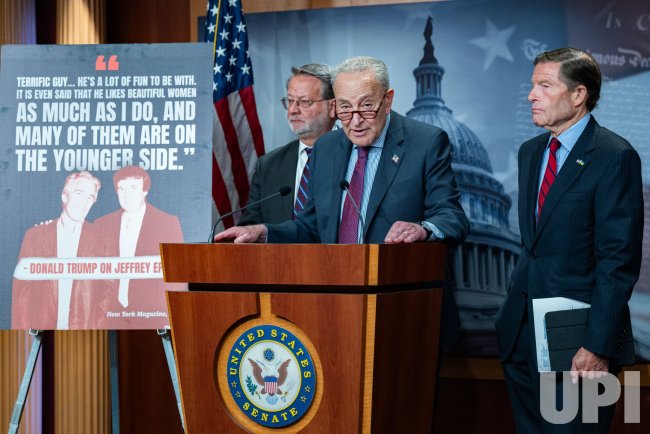
Senate tensions are rising. Republican leaders are confronting a gridlock. At issue: President Trump’s stalled nominees. Negotiations with Senate Democrats collapsed over the weekend. Now, Republican senators are weighing a drastic procedural shift.
The conflict centers on U.S. Senate Minority Leader Chuck Schumer. President Trump accused him of using “political extortion” to block nominee confirmations. According to Trump, Schumer’s demands were excessive and partisan.
Normally, rules reforms require 67 votes. That means bipartisan support. But Republicans are considering the so‑called “nuclear option” instead. This tactic would allow changes by a simple majority. It could ease confirmations of lower‑level nominees without Democratic support.
Senate Majority Whip John Barrasso called the current obstruction “unprecedented.” He noted that nearly all of Trump’s nominees have been subjected to a filibuster. Barrasso stressed that a functioning government needs leaders in place.
Meanwhile, Senator Markwayne Mullin criticized Schumer directly. He said the Senate has reached this point because of what Schumer orchestrated. Mullin added, “Every action requires an equal reaction.” He hinted that the nuclear option might now be inevitable.
Ideas under discussion include reducing debate time for nominees. Republicans may eliminate procedural votes for less critical posts. They could also bundle nominees in packages for quicker approval. These tactics previously worked for military confirmations.
Over 1,200 executive positions require Senate confirmation. So far, Republicans have confirmed more than 130 of Trump’s nominees. However, more than 140 remain pending. The goal had been to approve at least 60 before the recess.
Senate Majority Leader John Thune said the nomination process is broken. He expects serious conversations about reforms when the Senate reconvenes. Yet, no final decision has been made. The chamber remains in recess until early September.
Meanwhile, Schumer warned the GOP against moving ahead unilaterally. He called it a “huge mistake.” He argued that changing rules without bipartisan cooperation would backfire politically. According to Schumer, unilateral changes tell voters that only one party decides what’s best.
Despite the stalemate, some Republicans insist they attempted to negotiate in good faith. Mullin reiterated: “We actually wanted a deal.” He accused Schumer of having already “gone nuclear” long before.
As the August recess begins, the stakes remain high. If no compromise is reached, Republicans may alter Senate rules. This would mark a major shift in how nominees are confirmed. It could reshape the balance of power in the legislative branch.
For now, Capitol watchers wait. Will Democrats cooperate? Or will Republicans change the Senate rules? Either way, the next few weeks could determine the pace of Trump’s administration—and the future of Senate procedure.

Emily Johnson is a critically acclaimed essayist and novelist known for her thought-provoking works centered on feminism, women’s rights, and modern relationships. Born and raised in Portland, Oregon, Emily grew up with a deep love of books, often spending her afternoons at her local library. She went on to study literature and gender studies at UCLA, where she became deeply involved in activism and began publishing essays in campus journals. Her debut essay collection, Voices Unbound, struck a chord with readers nationwide for its fearless exploration of gender dynamics, identity, and the challenges faced by women in contemporary society. Emily later transitioned into fiction, writing novels that balance compelling storytelling with social commentary. Her protagonists are often strong, multidimensional women navigating love, ambition, and the struggles of everyday life, making her a favorite among readers who crave authentic, relatable narratives. Critics praise her ability to merge personal intimacy with universal themes. Off the page, Emily is an advocate for women in publishing, leading workshops that encourage young female writers to embrace their voices. She lives in Seattle with her partner and two rescue cats, where she continues to write, teach, and inspire a new generation of storytellers.