NOTE: VIDEO AT THE END OF THE ARTICLE.
CNN political commentator Ashley Allison is drawing backlash and ridicule online after confidently asserting that there are no riots in Los Angeles—because, according to her, she was just there.
During a segment addressing the recent unrest and rising tensions in parts of the city, Allison dismissed concerns about riots, claiming that such characterizations are exaggerated and misleading. “I literally left Los Angeles Sunday night … There are not riots in the street,” she said on-air. “We have to be careful with the language we use because if we say riot, we cause unnecessary fear.”
Critics online immediately pounced on her remarks, sarcastically calling it “case closed” as if her brief visit to the city somehow debunks the widespread reports of civil disturbances, property damage, and mass looting.
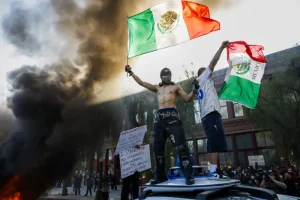
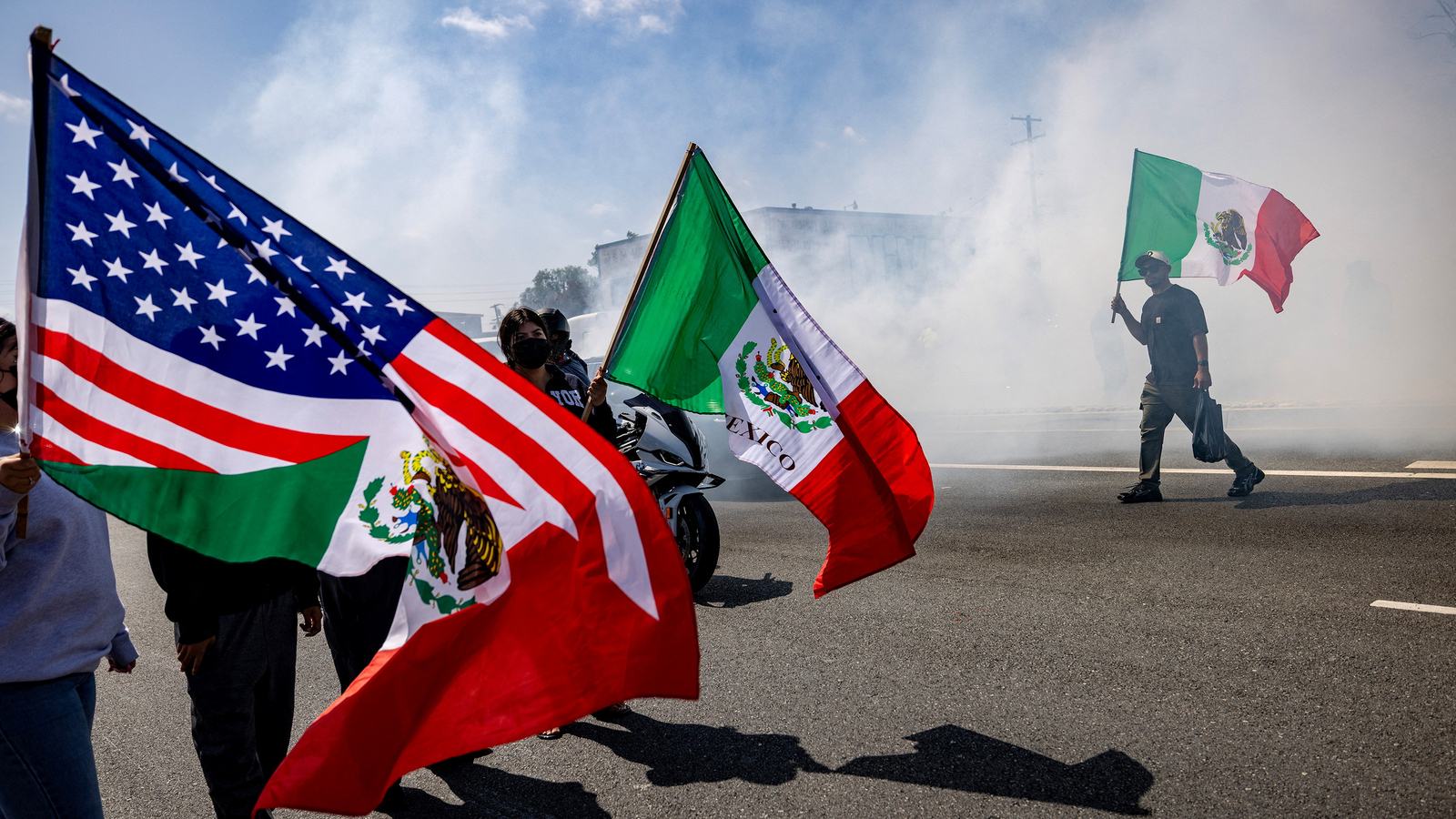
The controversy stems from growing frustration in Los Angeles, where business owners and residents have described scenes of chaos over the past several days. Social media videos and local reports have documented groups smashing store windows, lighting fires, and clashing with law enforcement. According to city officials, the damage totals in the millions of dollars, with dozens of businesses vandalized or burglarized in multiple districts.
Despite this, CNN and some political figures have been hesitant to use the term “riot,” opting instead for softer descriptions like “unrest” or “protests.” Allison’s remarks, critics say, reflect an ongoing effort by mainstream media to downplay the seriousness of the situation for political or narrative purposes.
“I don’t care if you were in L.A. for a weekend bachelorette party,” one social media user responded. “You don’t get to declare there are no riots when there’s footage and police reports saying otherwise.”
Even former law enforcement officials weighed in. “This is the kind of gaslighting that erodes public trust,” said retired LAPD Sgt. Vincent Moreno. “When someone says there’s no riot because they didn’t personally witness it, it ignores the real damage and the people living in fear every night.”
Ashley Allison, who served as the National Coalitions Director for the Biden campaign in 2020, has not responded to the growing criticism. However, her comments have already become a lightning rod in the broader debate over how media outlets and public figures frame civil disorder.
Supporters of Allison argue that her broader point—about using language responsibly—is valid. They suggest that terms like “riot” carry heavy historical and emotional weight and should not be applied lightly. But for many Angelenos watching their neighborhoods burn or their stores looted, the issue isn’t semantics—it’s lived reality.
The divide between perception and on-the-ground truth is becoming increasingly stark. And while CNN contributors may feel justified in downplaying events from behind a studio desk, those living through the chaos are left wondering if anyone in the media is actually listening—or just flying in and out of town.
PLAY:
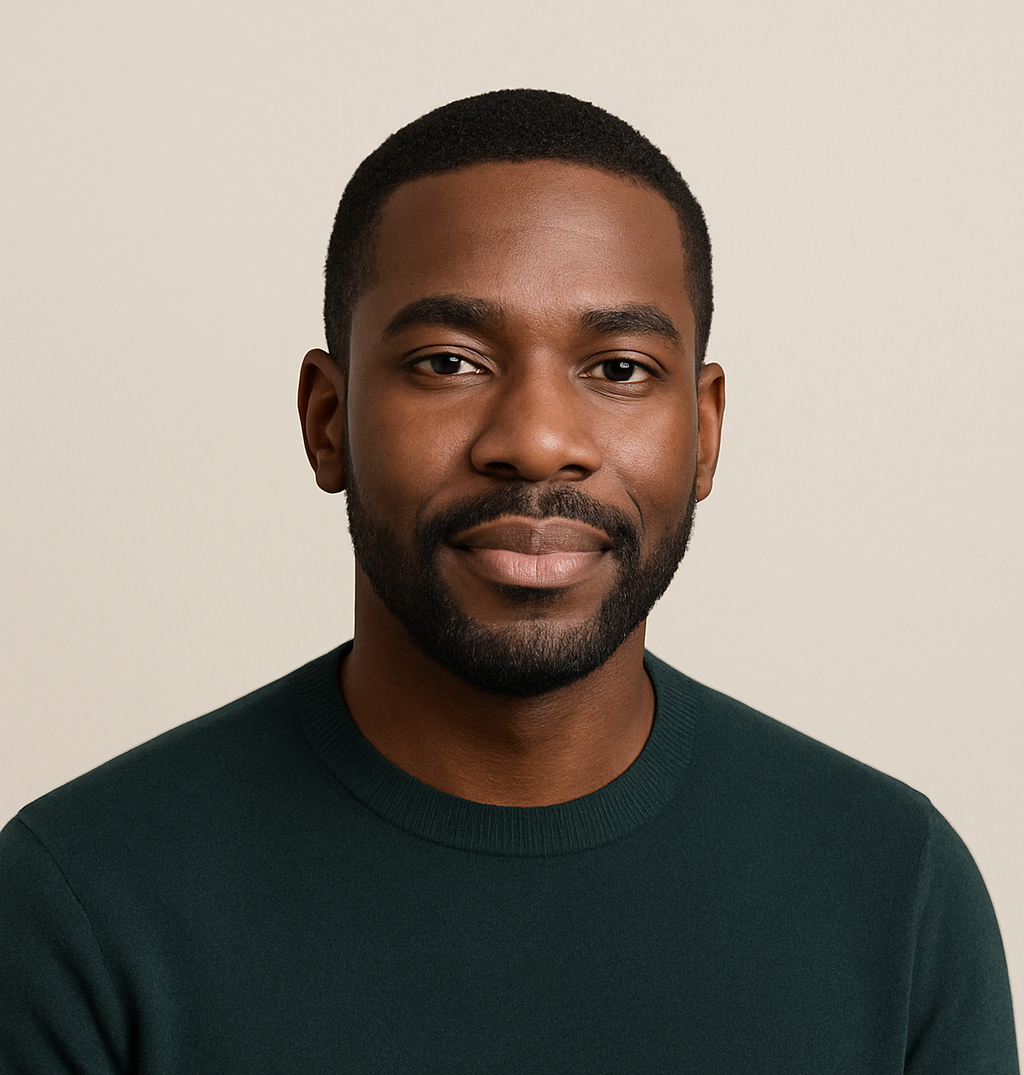
James Jenkins is a celebrated Pulitzer Prize-winning author whose work has reshaped the way readers think about social justice and human rights in America. Raised in Atlanta, Georgia, James grew up in a community that instilled in him both resilience and a strong sense of responsibility toward others. After studying political science and creative writing at Howard University, he worked as a journalist covering civil rights issues before dedicating himself fully to fiction. His novels are known for their sharp, empathetic portraits of marginalized communities and for weaving personal stories with broader political realities. Jenkins’s breakout novel, Shadows of Freedom, won national acclaim for its unflinching look at systemic inequality, while his more recent works explore themes of identity, resilience, and the fight for dignity in the face of oppression. Beyond his novels, James is an active public speaker, lecturing at universities and participating in nonprofit initiatives that support literacy and community empowerment. He believes that storytelling is a way to preserve history and inspire change. When not writing, James enjoys jazz music, mentoring young writers, and traveling with his family to explore cultures and stories around the world.