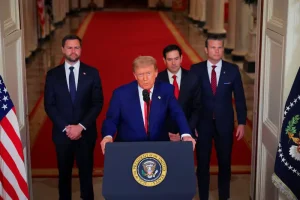


In the wake of Donald Trump’s surprise airstrike on Iranian nuclear facilities, Russian President Vladimir Putin has issued a stark warning to the West, signaling a major escalation in geopolitical tensions.
Over the weekend, Trump—now 79 and serving his second term—authorized a coordinated bombing campaign targeting three major Iranian nuclear sites in Fordow, Natanz, and Isfahan. The U.S. strikes reportedly followed intelligence suggesting an imminent threat from Iranian sleeper cells embedded within the United States. These sleeper cells—according to reports—are trained agents living covertly in foreign countries, awaiting activation orders from Tehran.
This high-risk operation came shortly after Israel launched its own sudden missile offensive on Iran, increasing pressure on Washington to act. Trump’s administration, which had previously indicated a two-week decision window for action in the Middle East, acted swiftly, citing national security concerns.
But Russia’s response has now thrown fuel on an already volatile situation.
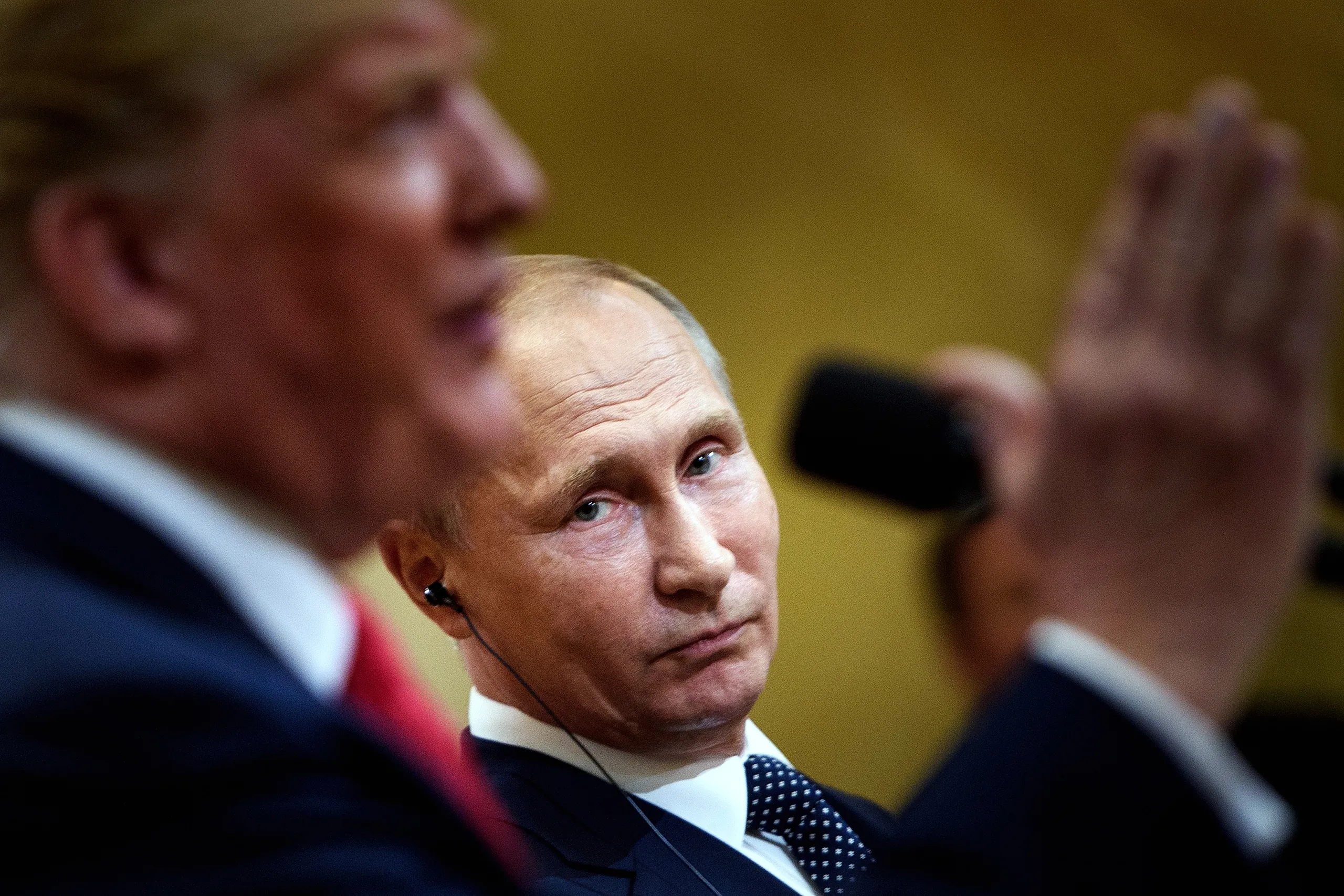
During a high-level meeting in Moscow with Iranian Foreign Minister Abbas Araghchi, Putin denounced the U.S. strikes as “unprovoked aggression.” The Russian leader made it clear that Moscow stands in solidarity with Iran, vowing that Russia “will make efforts to provide assistance to the Iranian people.”
“This is an absolutely unjustified act of violence,” Putin declared. “I am very glad that you are in Moscow today. This gives us the opportunity to discuss urgent matters and explore how to resolve this crisis together.”
His comments suggest that Russia may be preparing to ramp up support for Iran, further entrenching its influence in the Middle East and complicating any future U.S. or Israeli military planning.
Counterterrorism expert Will Geddes warned that Putin’s statements, though possibly part of a broader diplomatic maneuver, could have serious consequences. “Russia has tried to mediate between Iran and Israel in recent months. But this latest development could be a turning point,” he told Tyla. “While it’s unclear whether Putin will take direct military action, it’s very likely that weapons and intelligence support to Iran will now accelerate.”
Geddes added that the Kremlin may use the situation to assert itself as a counterweight to U.S. influence in the region, particularly if diplomacy fails.
Meanwhile, Araghchi praised Russia’s stance, claiming that Iran will continue to exercise “legitimate self-defense” in the face of American aggression. “Russia is today on the right side of history and international law,” he said.
With global powers now taking opposing sides, the future of the Middle East hangs in the balance—potentially headed toward a broader confrontation with far-reaching consequences.
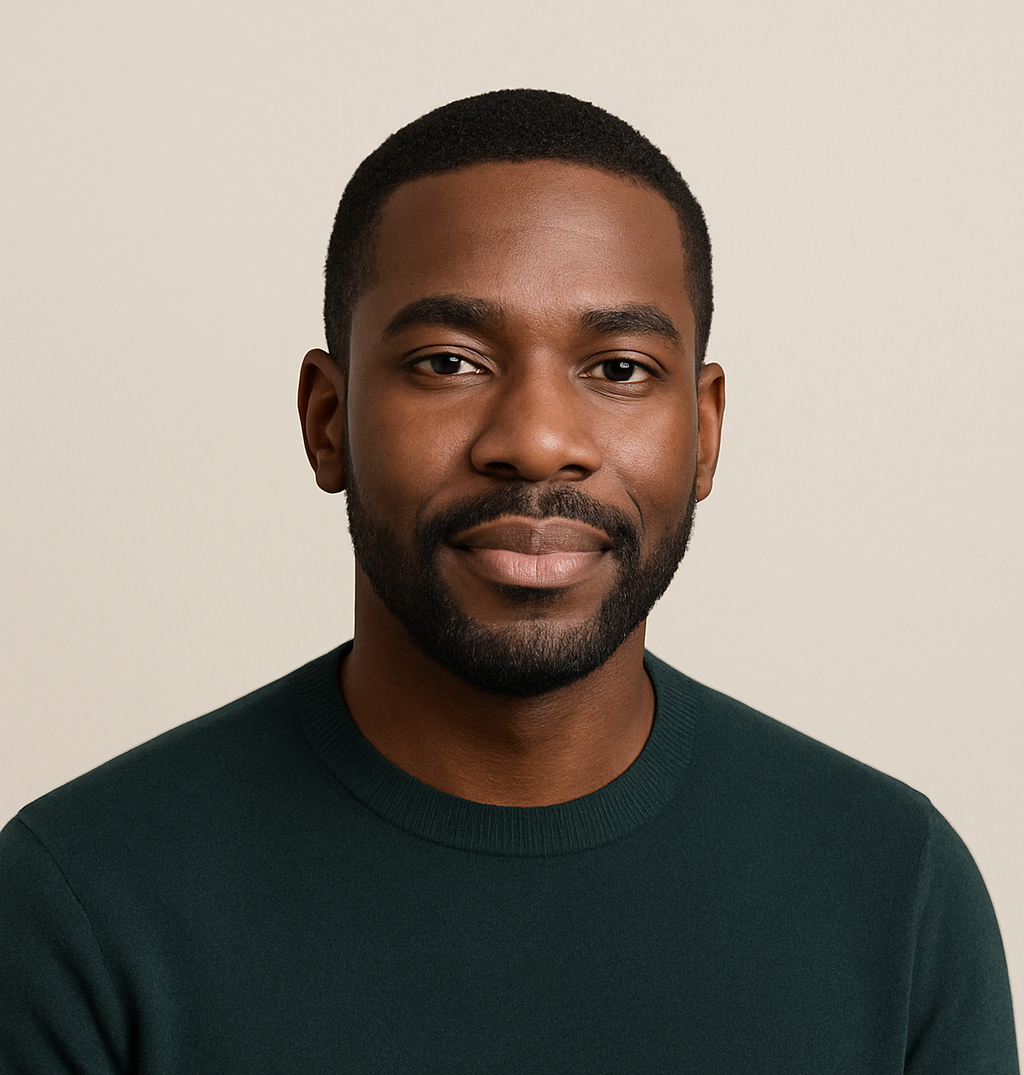
James Jenkins is a celebrated Pulitzer Prize-winning author whose work has reshaped the way readers think about social justice and human rights in America. Raised in Atlanta, Georgia, James grew up in a community that instilled in him both resilience and a strong sense of responsibility toward others. After studying political science and creative writing at Howard University, he worked as a journalist covering civil rights issues before dedicating himself fully to fiction. His novels are known for their sharp, empathetic portraits of marginalized communities and for weaving personal stories with broader political realities. Jenkins’s breakout novel, Shadows of Freedom, won national acclaim for its unflinching look at systemic inequality, while his more recent works explore themes of identity, resilience, and the fight for dignity in the face of oppression. Beyond his novels, James is an active public speaker, lecturing at universities and participating in nonprofit initiatives that support literacy and community empowerment. He believes that storytelling is a way to preserve history and inspire change. When not writing, James enjoys jazz music, mentoring young writers, and traveling with his family to explore cultures and stories around the world.