



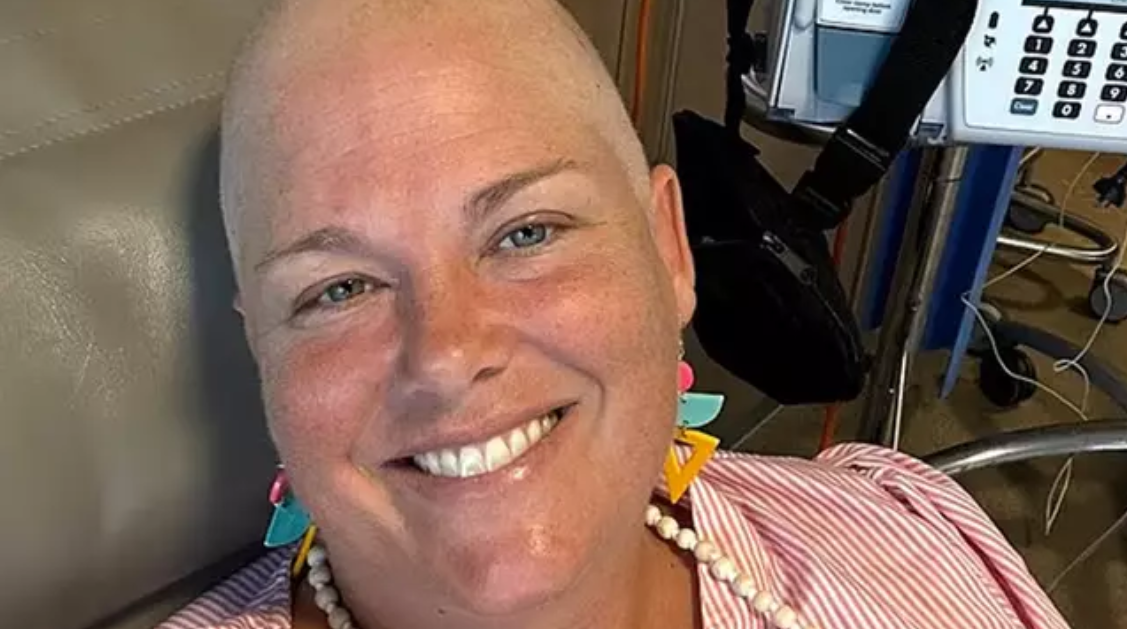
Susan Schmidt, a 47-year-old mother of two and former physiotherapist, never imagined that the subtle signs she was experiencing would lead to a devastating diagnosis: stage four bowel cancer. For months, she dismissed symptoms that many might overlook, only to discover in September 2023 that her cancer was incurable.
Susan’s story is a powerful reminder of how easily serious health issues can hide behind everyday discomforts. Her earliest symptom was overwhelming fatigue. In May 2023, she found herself so tired that she had to pull over while driving just to rest. “I’d drive 15 minutes to drop my daughter off at rowing, then had to stop halfway home for a 40-minute nap,” she recalls. Attributing this exhaustion to early menopause and life’s pressures, she didn’t think much of it.
The next warning sign was constipation, something Susan had never experienced before. While on a dream vacation to France, she noticed irregular bowel movements but wrote it off as a reaction to rich food and cheese. She didn’t connect this to any serious problem, and even after returning home and enduring intense pain she described as worse than childbirth, doctors initially dismissed her symptoms without investigating cancer.
What made Susan’s situation particularly challenging was the lack of “dramatic” or obvious symptoms like blood in stool, which often triggers alarm. Instead, she dealt with fatigue, constipation, and two severe episodes of pain—symptoms easy to overlook or explain away. Even with her medical background, she never considered bowel cancer.
After her diagnosis, Susan was told the cancer was incurable, and her treatment plan now focuses on maintaining quality of life and managing the disease, including potential chemotherapy after an upcoming trip abroad. Despite the bleak prognosis, she remains positive and determined to raise awareness.
To help others avoid her fate, Susan founded The Floozie Foundation, a charity dedicated to supporting bowel cancer patients and nurses in Australia. Through her foundation and public messages, she urges everyone to speak openly about bowel health, break the stigma around discussing bowel habits, and trust their instincts when something feels wrong.
“I want people to know the signs and push for answers if something feels off,” Susan emphasizes. “Even if your blood tests are normal or you’re told it’s stress or menopause—don’t ignore your body.”
Susan’s story highlights the importance of listening to subtle symptoms and advocating for thorough medical evaluation—because sometimes, those quiet warnings are the loudest cries for help.

James Jenkins is a celebrated Pulitzer Prize-winning author whose work has reshaped the way readers think about social justice and human rights in America. Raised in Atlanta, Georgia, James grew up in a community that instilled in him both resilience and a strong sense of responsibility toward others. After studying political science and creative writing at Howard University, he worked as a journalist covering civil rights issues before dedicating himself fully to fiction. His novels are known for their sharp, empathetic portraits of marginalized communities and for weaving personal stories with broader political realities. Jenkins’s breakout novel, Shadows of Freedom, won national acclaim for its unflinching look at systemic inequality, while his more recent works explore themes of identity, resilience, and the fight for dignity in the face of oppression. Beyond his novels, James is an active public speaker, lecturing at universities and participating in nonprofit initiatives that support literacy and community empowerment. He believes that storytelling is a way to preserve history and inspire change. When not writing, James enjoys jazz music, mentoring young writers, and traveling with his family to explore cultures and stories around the world.





I’m not that much of a internet reader to be honest but your blogs really nice, keep it up! I’ll go ahead and bookmark your website to come back in the future.