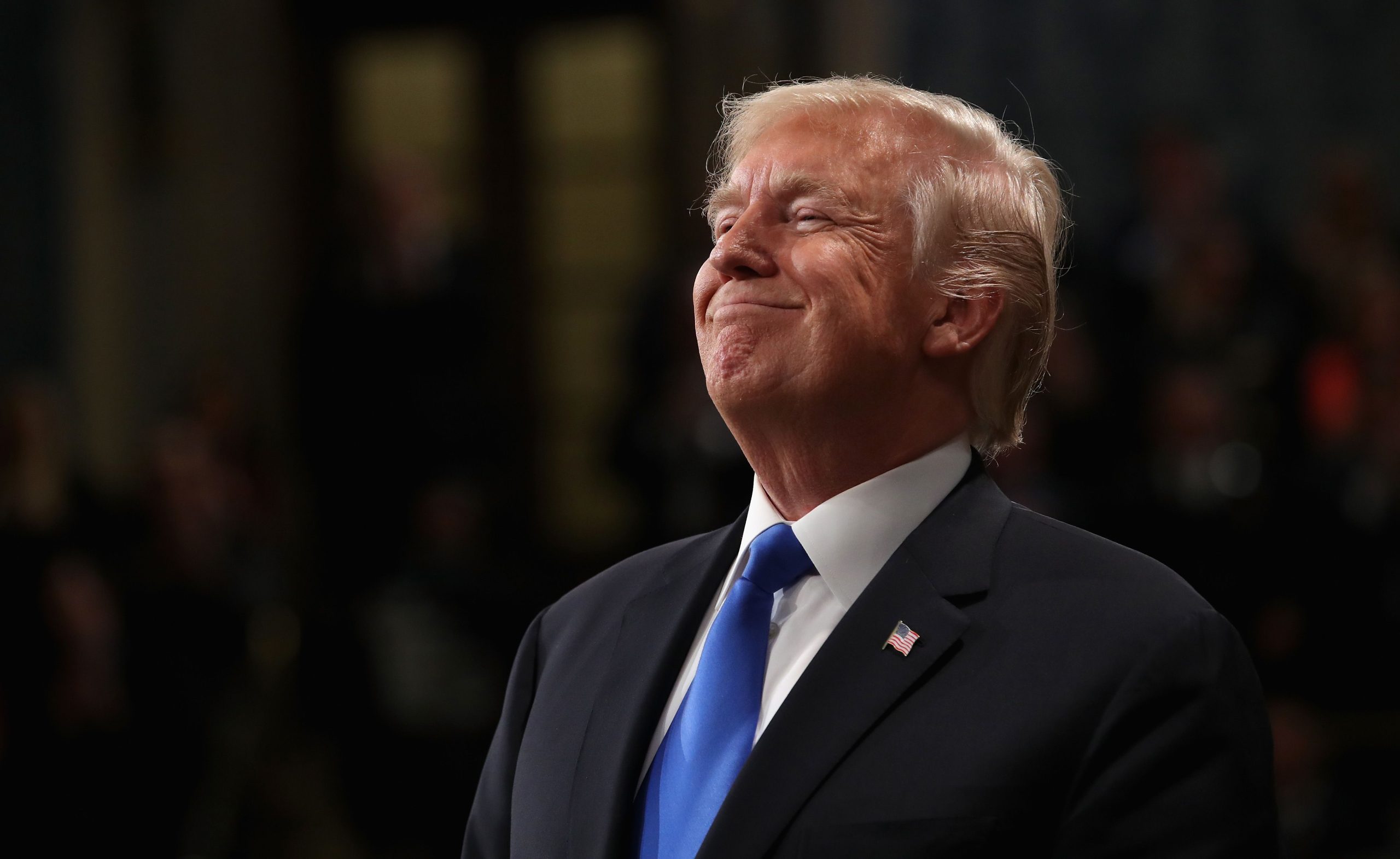
In a significant administrative action, the Department of Justice recently terminated multiple federal prosecutors who were involved in politically sensitive investigations during the prior administration. This decision has been met with mixed reactions from various political groups.
The firings, effective January 27, 2025, focused on prosecutors who played prominent roles in cases led by a special counsel appointed under the Biden administration. Concerns were raised that these officials’ prior involvement compromised their ability to serve impartially under the current leadership.
Acting Attorney General James McHenry issued a formal letter explaining the dismissals, emphasizing the importance of trust within government agencies. He stated, “The effective operation of government critically relies on the trust that higher officials place in their subordinates,” and that this trust had been undermined by the prosecutors’ previous roles.
The letter clearly stated, “Your employment with the Department of Justice is hereby terminated, and you are removed from federal service effective immediately,” citing constitutional authority for the action.
Former President Donald Trump publicly supported the decision, accusing the prior administration of using legal investigations as tools against political opponents. He claimed these actions had been weaponized to target him and his allies.
News of the firings quickly spread on social media, with conservative commentators praising the move as a step toward restoring impartiality. Some critics, however, expressed concern about the implications for the independence of the Justice Department.
Fox News correspondent Byron York described the situation as “an unprecedented move,” noting that many of those removed had detailed knowledge of past legal strategies targeting Trump. York suggested that retaining them could have posed ethical and political challenges.
This development represents a clear assertion of authority by the current administration over the Justice Department and signals a shift in handling politically charged prosecutions. The broader impact of these changes is still unfolding as the political and legal communities respond.
Supporters of the firings view them as a necessary correction, while opponents prepare for potential legal and congressional responses. The Department of Justice is now navigating a new chapter amid ongoing debates about justice and political influence in the United States.

James Jenkins is a celebrated Pulitzer Prize-winning author whose work has reshaped the way readers think about social justice and human rights in America. Raised in Atlanta, Georgia, James grew up in a community that instilled in him both resilience and a strong sense of responsibility toward others. After studying political science and creative writing at Howard University, he worked as a journalist covering civil rights issues before dedicating himself fully to fiction. His novels are known for their sharp, empathetic portraits of marginalized communities and for weaving personal stories with broader political realities. Jenkins’s breakout novel, Shadows of Freedom, won national acclaim for its unflinching look at systemic inequality, while his more recent works explore themes of identity, resilience, and the fight for dignity in the face of oppression. Beyond his novels, James is an active public speaker, lecturing at universities and participating in nonprofit initiatives that support literacy and community empowerment. He believes that storytelling is a way to preserve history and inspire change. When not writing, James enjoys jazz music, mentoring young writers, and traveling with his family to explore cultures and stories around the world.