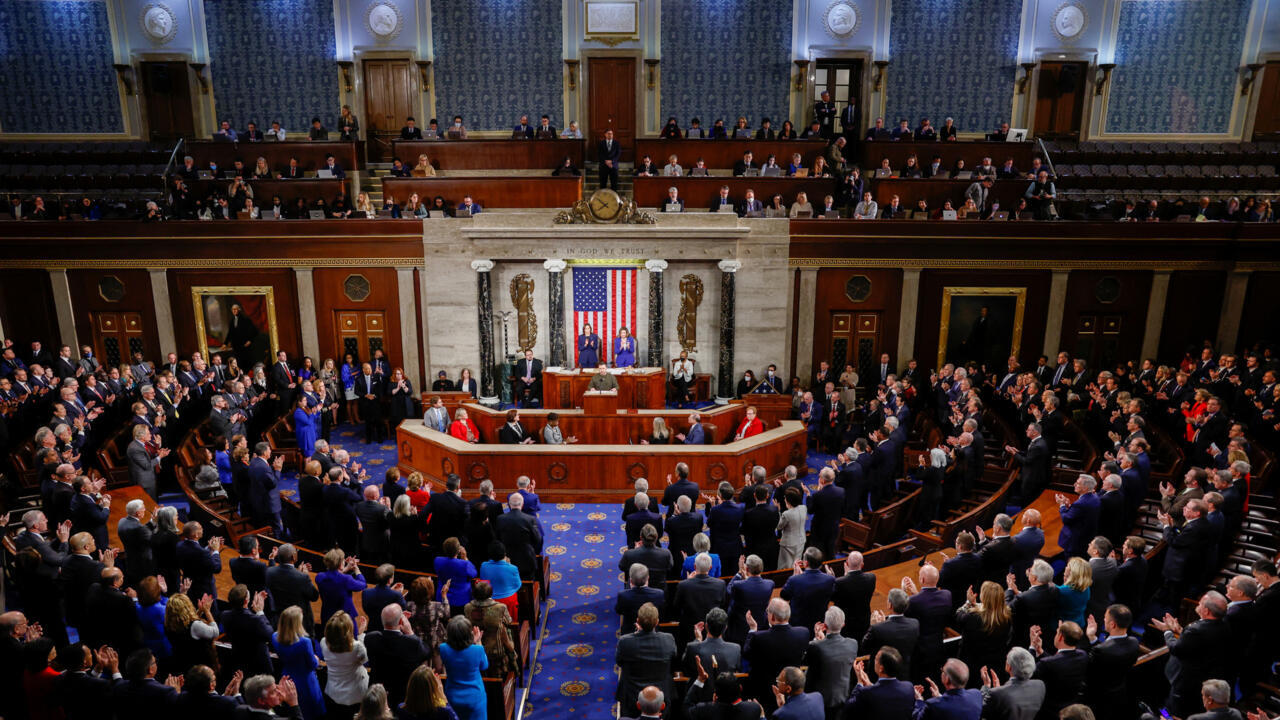
In late May, the U.S. Senate voted 51 to 44 to revoke three waivers that allowed California to enforce stricter vehicle emissions standards than the federal government. These waivers included a key mandate pushing for 100% of new vehicles sold in the state to be zero-emission by 2035.
This decision has intensified a longstanding conflict between federal authority and California’s unique environmental role. California’s ability to set tougher emissions rules dates back to the Clean Air Act, which grants the state special permission due to its historically severe air pollution problems. The state has used this authority to pioneer regulations that often set the standard for the rest of the nation.
The waivers at the center of the Senate’s action were crucial for California’s aggressive push toward electric vehicles, aiming to reduce greenhouse gases and improve air quality. Revoking them challenges the state’s capacity to enforce these ambitious climate goals.
Supporters of the Senate’s move argue that a single national standard is needed to avoid regulatory confusion for automakers and to keep vehicle prices stable. They maintain that uniformity across states promotes efficiency and consumer clarity.
However, critics warn that stripping California of its waiver rights could hamper efforts to fight climate change and protect vulnerable communities disproportionately affected by pollution. California’s environmental policies have served as a model for innovation and leadership on clean energy, inspiring other states to adopt similar standards.
The dispute also highlights a broader question about federalism and the balance of power in environmental regulation. California’s waiver system allows it to act as a test bed for progressive climate policies, sometimes moving faster than federal initiatives. Removing this authority could limit states’ flexibility in addressing urgent environmental challenges.
California officials and environmental advocates have pledged to challenge the Senate’s decision legally, emphasizing that the Clean Air Act explicitly grants the state this waiver authority. Past court battles have upheld California’s right to set its own stricter standards, making the current legal fight a pivotal moment.
As this debate continues, the conversation around how best to reduce transportation emissions and protect public health remains urgent. Transportation is a leading source of greenhouse gas emissions, making these policy battles critical in shaping the country’s climate future.
Ultimately, the Senate’s action has brought to the forefront the complex interplay between political interests, regulatory frameworks, and the nation’s environmental ambitions, setting the stage for ongoing disputes over the path forward.

James Jenkins is a celebrated Pulitzer Prize-winning author whose work has reshaped the way readers think about social justice and human rights in America. Raised in Atlanta, Georgia, James grew up in a community that instilled in him both resilience and a strong sense of responsibility toward others. After studying political science and creative writing at Howard University, he worked as a journalist covering civil rights issues before dedicating himself fully to fiction. His novels are known for their sharp, empathetic portraits of marginalized communities and for weaving personal stories with broader political realities. Jenkins’s breakout novel, Shadows of Freedom, won national acclaim for its unflinching look at systemic inequality, while his more recent works explore themes of identity, resilience, and the fight for dignity in the face of oppression. Beyond his novels, James is an active public speaker, lecturing at universities and participating in nonprofit initiatives that support literacy and community empowerment. He believes that storytelling is a way to preserve history and inspire change. When not writing, James enjoys jazz music, mentoring young writers, and traveling with his family to explore cultures and stories around the world.