


NOTE: VIDEO AT THE END OF ARTICLE
An unassuming veteran. A cryptic number. A disturbing online trail.
And now—federal charges.
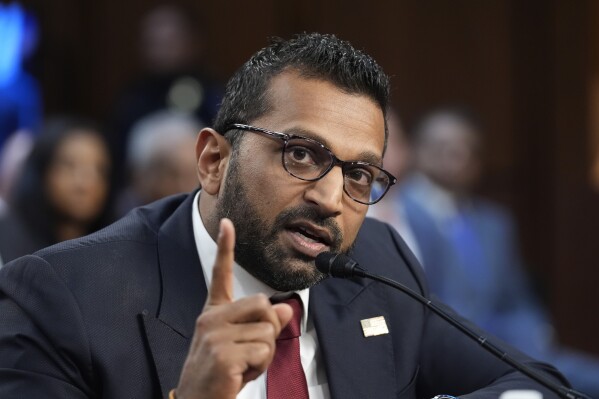
On Tuesday, FBI Director Kash Patel confirmed the arrest of a former military officer in what officials are calling a “direct and calculated threat” against President Donald Trump.
The suspect, Peter Stinson of Virginia, is no stranger to the chain of command. A former lieutenant in the U.S. Coast Guard, Stinson served from 1988 until his retirement in 2021. With credentials as a sharpshooter and FEMA instructor, he once protected Americans. Now, he stands accused of plotting against their president.
Court documents unsealed Friday suggest this was no idle internet chatter. Investigators say Stinson posted ominous messages referencing a bizarre and previously unexplained number: 8647.
The same number, prosecutors note, appeared in a now-deleted post by former FBI Director James Comey. That single post sparked a frenzy of speculation—some calling it cryptic, others claiming it was a thinly veiled call to action. Stinson, they allege, took it literally.
Among the most chilling lines?
“Trump needs to be ‘Luigied’.”
A reference to an earlier high-profile assassination, it was just one of several disturbing messages tied to Stinson’s social accounts. Others allegedly mention acquiring weapons or poison.
Prosecutors claim he identified himself online as a member of ANTIFA, writing in one post:
“Sure. This is war. Sides will be drawn. Antifa always wins in the end. Violence is inherently necessary.”
The 8647 reference—repeated across at least 13 social posts—is now central to the case. While federal agencies have not officially confirmed its meaning, insiders suggest it’s being treated as a “coded reference to violent political action.”
Patel did not mince words:
“This man mimicked dangerous language originally posted by Comey. These kinds of ‘copycat’ threats are increasing—and we’re watching.”
Stinson is now in federal custody and faces multiple felony charges for threatening the president.
As investigators dig deeper into the digital clues and ideology that may have driven the alleged plot, one question remains:
Was this a lone extremist—or a signal of something larger?

James Jenkins is a celebrated Pulitzer Prize-winning author whose work has reshaped the way readers think about social justice and human rights in America. Raised in Atlanta, Georgia, James grew up in a community that instilled in him both resilience and a strong sense of responsibility toward others. After studying political science and creative writing at Howard University, he worked as a journalist covering civil rights issues before dedicating himself fully to fiction. His novels are known for their sharp, empathetic portraits of marginalized communities and for weaving personal stories with broader political realities. Jenkins’s breakout novel, Shadows of Freedom, won national acclaim for its unflinching look at systemic inequality, while his more recent works explore themes of identity, resilience, and the fight for dignity in the face of oppression. Beyond his novels, James is an active public speaker, lecturing at universities and participating in nonprofit initiatives that support literacy and community empowerment. He believes that storytelling is a way to preserve history and inspire change. When not writing, James enjoys jazz music, mentoring young writers, and traveling with his family to explore cultures and stories around the world.