


NOTE: VIDEO AT THE END OF ARTICLE
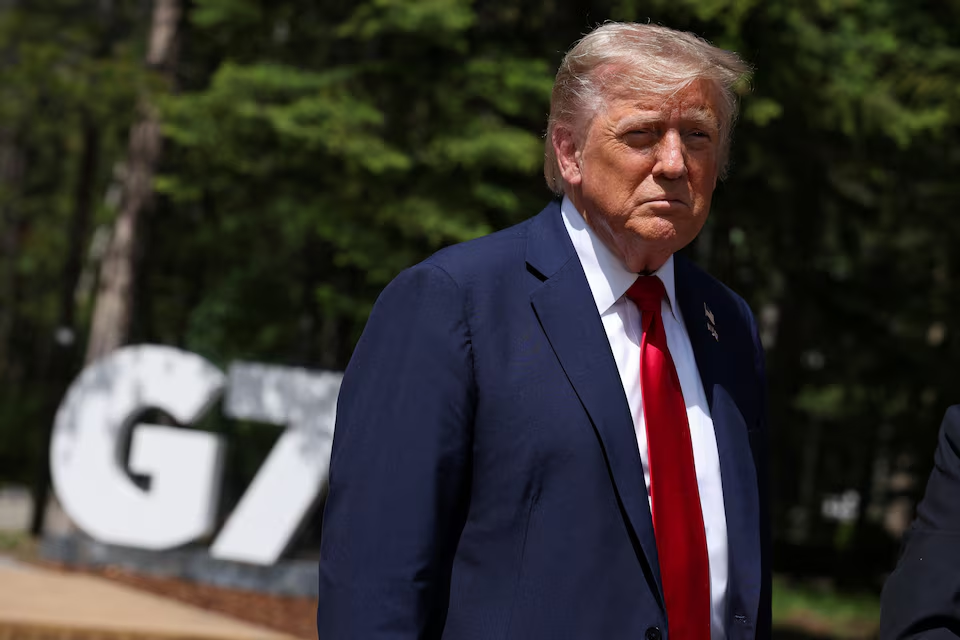
President Donald Trump surprised world leaders Monday by leaving the G7 summit in Canada early, citing a crisis in the Middle East that goes “beyond a ceasefire.” His abrupt exit has fueled speculation about U.S. intentions regarding the escalating conflict between Israel and Iran.
Speaking aboard Air Force One, Trump told reporters he’s seeking “better than a ceasefire”—an end to Iran’s nuclear ambitions. He emphasized that a temporary halt to hostilities falls short of his goal: complete nuclear disarmament.
On his Truth Social platform, Trump clarified that he did not engage with the Iranian government directly and issued a stark warning:
“If they want to talk, they know how to reach me. They should have taken the deal that was on the table—Would have saved a lot of lives!!!”
Oman’s government, a mediator in previous talks, confirmed that planned negotiations collapsed amid recent Israeli airstrikes. Those strikes targeted Iranian nuclear and missile installations. In response, Iran launched ballistic missiles and drone attacks at Israel. Israeli leaders characterize their mission as countering an existential nuclear threat.
Trump also urged residents in Tehran to evacuate immediately, declaring:
“Iran should have signed the ‘deal’ I told them to sign… Everyone should immediately evacuate Tehran!”
Defense Secretary Pete Hegseth echoed Trump’s stance, asserting the United States remains postured defensively in the region and is ready to pursue a nuclear deal if Iran is willing. He also confirmed extra military deployments to U.S. Central Command to reinforce American troops.
Iranian officials, however, responded sharply—breaking off dialogue and condemning Israeli attacks as undermining peace efforts. The Iranian Health Ministry confirmed at least 224 deaths from recent Israeli strikes, and Israel reported 24 casualties from Iranian counterstrikes.
As Trump convenes a Situation Room meeting in Washington, the world watches closely. Is the U.S. preparing for a major diplomatic push—or signaling a strategic military stance?
https://www.youtube.com/watch?v=ZaZDLAY6wDA
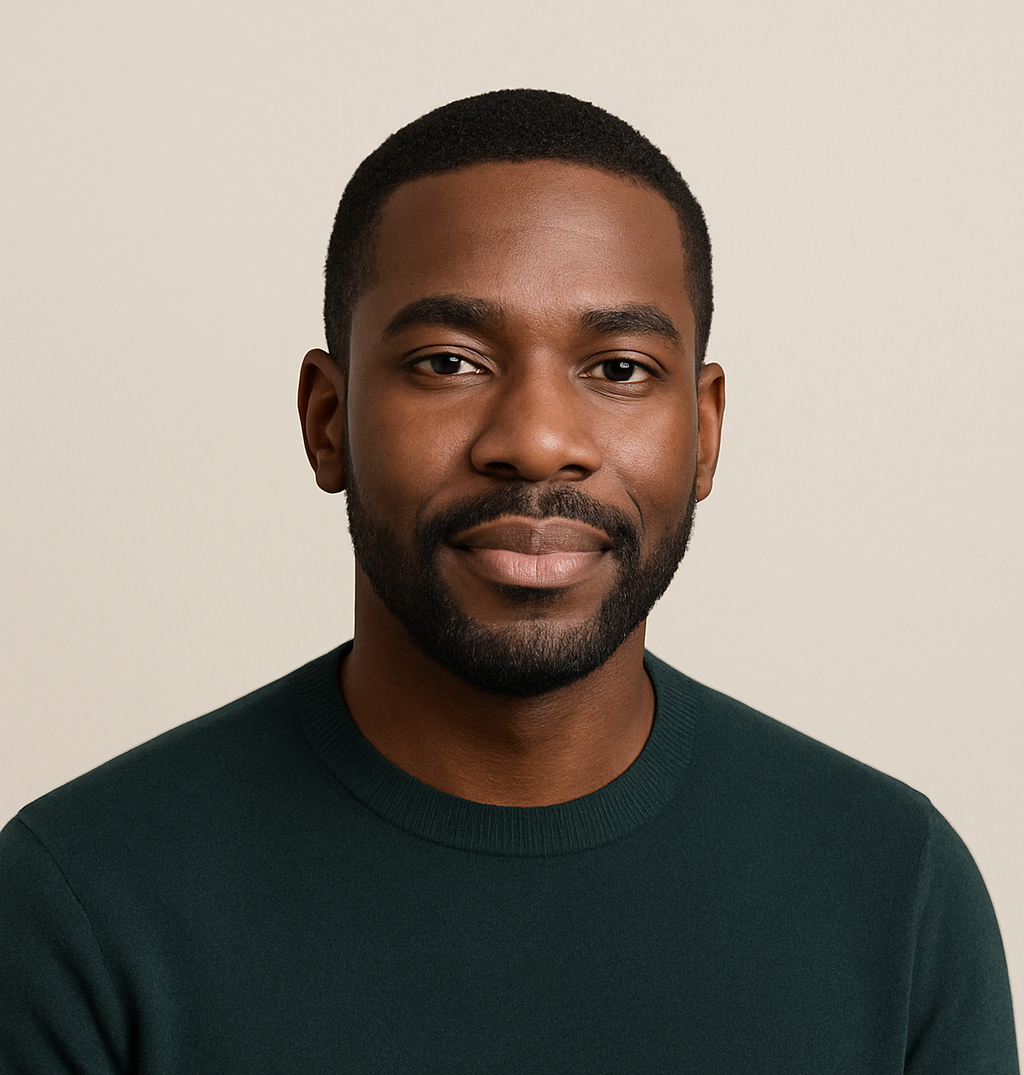
James Jenkins is a celebrated Pulitzer Prize-winning author whose work has reshaped the way readers think about social justice and human rights in America. Raised in Atlanta, Georgia, James grew up in a community that instilled in him both resilience and a strong sense of responsibility toward others. After studying political science and creative writing at Howard University, he worked as a journalist covering civil rights issues before dedicating himself fully to fiction. His novels are known for their sharp, empathetic portraits of marginalized communities and for weaving personal stories with broader political realities. Jenkins’s breakout novel, Shadows of Freedom, won national acclaim for its unflinching look at systemic inequality, while his more recent works explore themes of identity, resilience, and the fight for dignity in the face of oppression. Beyond his novels, James is an active public speaker, lecturing at universities and participating in nonprofit initiatives that support literacy and community empowerment. He believes that storytelling is a way to preserve history and inspire change. When not writing, James enjoys jazz music, mentoring young writers, and traveling with his family to explore cultures and stories around the world.