

NOTE: WATCH VIDEO BELOW
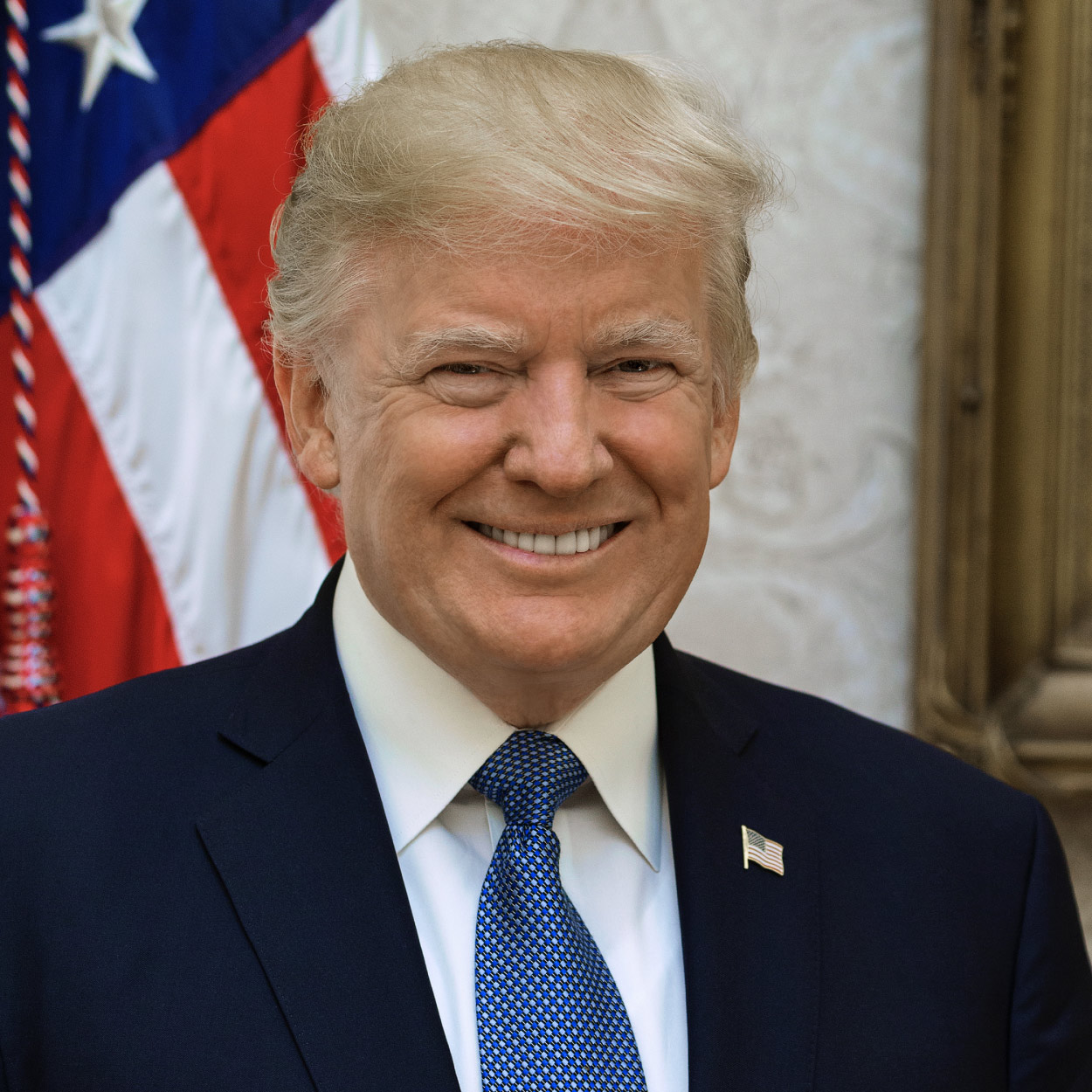
Following a series of Israeli airstrikes on Iranian military and nuclear sites, former President Donald Trump made remarks that drew widespread attention across international and political circles.
According to multiple media outlets, the coordinated strikes targeted several strategic locations within Iran, including leadership centers of the Islamic Revolutionary Guard Corps (IRGC) and facilities linked to Iran’s missile and nuclear programs. Intelligence sources suggest that the operation resulted in the deaths of several senior Iranian officials and scientists.
While Israeli authorities have yet to officially confirm the full scope of the operation, the action is seen as a significant escalation amid ongoing regional tensions.
Trump, who has remained vocal on foreign policy issues through his social media platform, issued a statement Friday in which he reaffirmed his position that Iran must not be allowed to develop nuclear weapons. His comments hinted at prior knowledge of the operation and included a remark that stirred both criticism and praise.
“They didn’t die of COVID,” Trump said, a reference widely interpreted as a blunt acknowledgment of the casualties caused by the strikes. The comment, relayed during an appearance on Fox News, was seen by some as an attempt to mock Iranian leadership while highlighting the operation’s impact.
The statement quickly circulated online, with critics labeling it inflammatory and insensitive, while supporters claimed it reflected a hardline stance against Iran’s military ambitions.
Whether the U.S. government was officially notified or involved in the operation remains unclear, though speculation persists that coordination occurred behind the scenes.
As of Friday evening, Iranian state media confirmed casualties among IRGC personnel but provided limited details. Analysts expect the situation to evolve as Iran considers its next move in response to the attack.
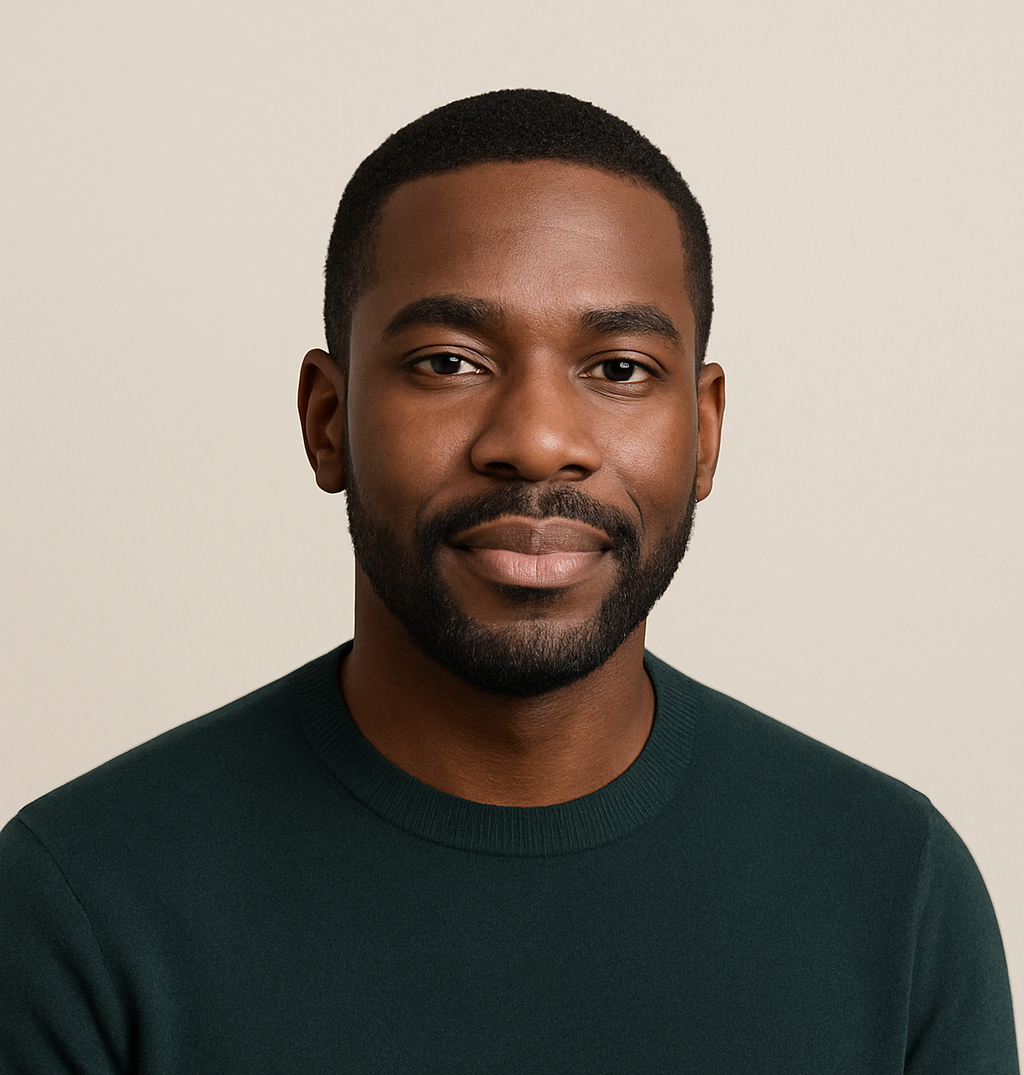
James Jenkins is a celebrated Pulitzer Prize-winning author whose work has reshaped the way readers think about social justice and human rights in America. Raised in Atlanta, Georgia, James grew up in a community that instilled in him both resilience and a strong sense of responsibility toward others. After studying political science and creative writing at Howard University, he worked as a journalist covering civil rights issues before dedicating himself fully to fiction. His novels are known for their sharp, empathetic portraits of marginalized communities and for weaving personal stories with broader political realities. Jenkins’s breakout novel, Shadows of Freedom, won national acclaim for its unflinching look at systemic inequality, while his more recent works explore themes of identity, resilience, and the fight for dignity in the face of oppression. Beyond his novels, James is an active public speaker, lecturing at universities and participating in nonprofit initiatives that support literacy and community empowerment. He believes that storytelling is a way to preserve history and inspire change. When not writing, James enjoys jazz music, mentoring young writers, and traveling with his family to explore cultures and stories around the world.