NOTE: VIDEO AT THE END OF THE ARTICLE.
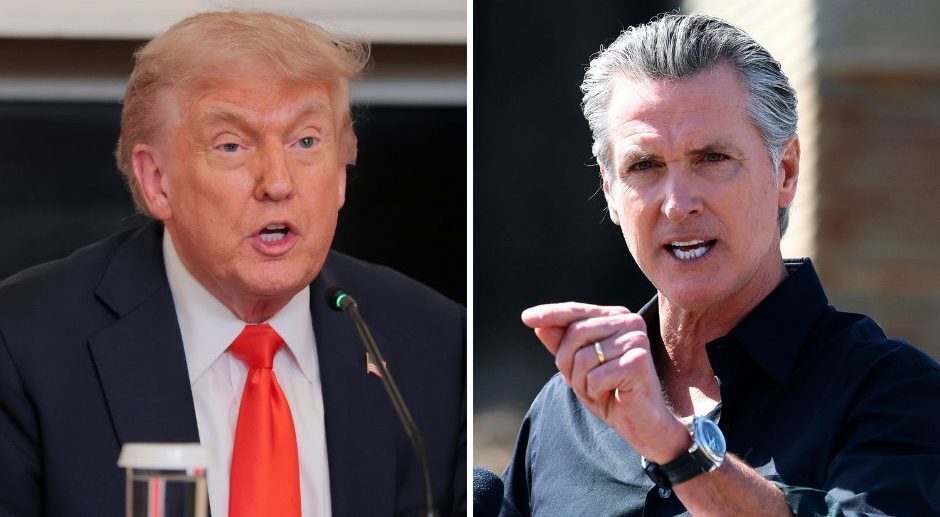
In a major policy reversal, President Donald Trump signed a bill on Thursday that dismantles California’s ambitious environmental mandate aiming to ban the sale of new gas-powered vehicles by 2035. This move has been met with relief and applause from the struggling American auto industry and conservative critics alike.
California’s original policy, championed by Governor Gavin Newsom, sought to accelerate the shift to electric vehicles (EVs) as part of the state’s broader plan to combat climate change and reduce greenhouse gas emissions. The ban on new gasoline-powered cars was one of the most aggressive climate measures in the country, intended to push automakers and consumers toward cleaner transportation options.
However, Trump and many industry leaders argued that the mandate would hurt consumers by limiting vehicle choices and driving up costs. Critics also warned that the policy could severely impact automakers who rely heavily on internal combustion engines, risking jobs and economic growth in key manufacturing states.
At a signing ceremony in Washington, President Trump declared the rollback a victory for “American families, workers, and businesses.” He emphasized that the federal government should prioritize affordability, innovation, and energy independence over strict regulations. “We will not allow bureaucrats in California to dictate the future of America’s auto industry,” Trump said.
The legislation officially revokes California’s authority to enforce the ban, restoring federal oversight on vehicle emissions standards. This move also signals a shift in federal policy toward a more industry-friendly approach, reducing regulatory burdens and encouraging diverse technologies, including gas-powered, hybrid, and electric vehicles.
Auto manufacturers, many of which had expressed concern about California’s strict rules, welcomed the change. Executives pointed out that a one-size-fits-all mandate was unrealistic given the current limitations in EV infrastructure and battery production. The rollback allows companies to develop and market a broader range of vehicles, catering to varied consumer preferences and regional needs.
Environmental advocates, however, criticized the decision as a step backward in the fight against climate change. They warned that weakening emission standards could delay the adoption of cleaner vehicles and undermine global efforts to reduce pollution.
Despite the controversy, the rollback is seen as a significant win for Trump and his supporters, reaffirming a commitment to deregulation and economic growth. As the debate over the future of transportation and environmental policy continues, this decision marks a clear pivot away from California’s aggressive green initiatives.
PLAY:

James Jenkins is a celebrated Pulitzer Prize-winning author whose work has reshaped the way readers think about social justice and human rights in America. Raised in Atlanta, Georgia, James grew up in a community that instilled in him both resilience and a strong sense of responsibility toward others. After studying political science and creative writing at Howard University, he worked as a journalist covering civil rights issues before dedicating himself fully to fiction. His novels are known for their sharp, empathetic portraits of marginalized communities and for weaving personal stories with broader political realities. Jenkins’s breakout novel, Shadows of Freedom, won national acclaim for its unflinching look at systemic inequality, while his more recent works explore themes of identity, resilience, and the fight for dignity in the face of oppression. Beyond his novels, James is an active public speaker, lecturing at universities and participating in nonprofit initiatives that support literacy and community empowerment. He believes that storytelling is a way to preserve history and inspire change. When not writing, James enjoys jazz music, mentoring young writers, and traveling with his family to explore cultures and stories around the world.