



NOTE: VIDEO BELOW
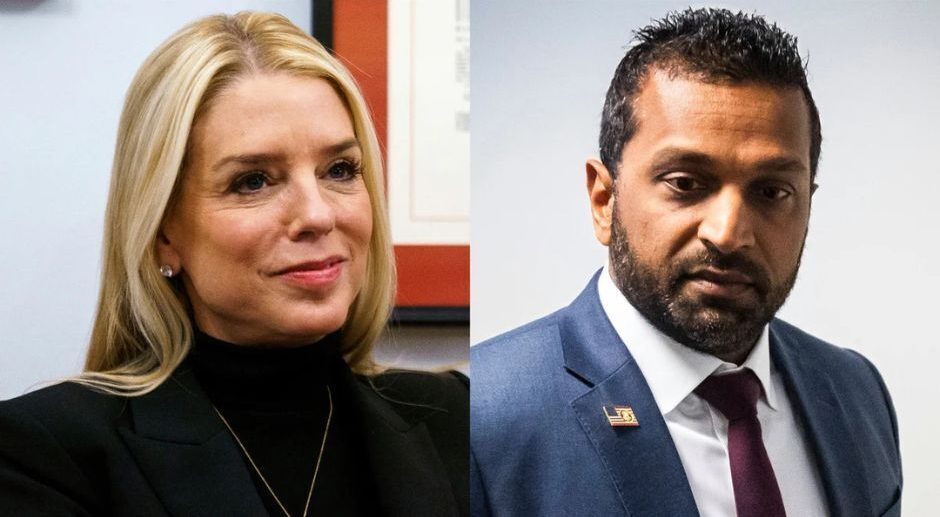
FBI Director Kash Patel has filed a defamation lawsuit against former FBI official Frank Figliuzzi and MSNBC, claiming Figliuzzi falsely accused him of spending more time in nightclubs than at FBI headquarters.
The suit, filed in federal court in Texas on June 2, alleges that Figliuzzi knowingly made misleading statements during a May 2 appearance on MSNBC’s Morning Joe. In that segment, Figliuzzi said Patel was “reportedly more visible at nightclubs than on the seventh floor of the Hoover Building,” adding that internal briefings for Patel had been reduced from daily to just twice a week. He also described the agency under Patel as being in a state of “chaos.”
Patel’s legal team strongly refuted these claims, stating in court documents that Patel “has not spent a single minute in a nightclub” since taking over as FBI Director. The lawsuit suggests the comments were made out of personal bias and designed to damage Patel’s professional reputation.
The day after the broadcast, MSNBC host Jonathan Lemire issued a brief clarification, saying the network could not independently confirm Figliuzzi’s nightclub comments and called the remark a “misstatement.”
This legal action comes after Patel responded to recent criticism from former FBI Director James Comey, who questioned Patel’s qualifications. In a previous statement, Patel pushed back, accusing Comey of past misconduct, including misusing intelligence to spy on a political campaign.
“I won’t take lectures from someone who led the bureau during one of its most controversial and unlawful surveillance scandals,” Patel said in a recent interview.
This lawsuit adds to a growing list of legal battles between public officials and media figures, underscoring the ongoing tensions over credibility, accountability, and misinformation in political coverage.

James Jenkins is a celebrated Pulitzer Prize-winning author whose work has reshaped the way readers think about social justice and human rights in America. Raised in Atlanta, Georgia, James grew up in a community that instilled in him both resilience and a strong sense of responsibility toward others. After studying political science and creative writing at Howard University, he worked as a journalist covering civil rights issues before dedicating himself fully to fiction. His novels are known for their sharp, empathetic portraits of marginalized communities and for weaving personal stories with broader political realities. Jenkins’s breakout novel, Shadows of Freedom, won national acclaim for its unflinching look at systemic inequality, while his more recent works explore themes of identity, resilience, and the fight for dignity in the face of oppression. Beyond his novels, James is an active public speaker, lecturing at universities and participating in nonprofit initiatives that support literacy and community empowerment. He believes that storytelling is a way to preserve history and inspire change. When not writing, James enjoys jazz music, mentoring young writers, and traveling with his family to explore cultures and stories around the world.