


NOTE: VIDEO AT THE END OF ARTICLE
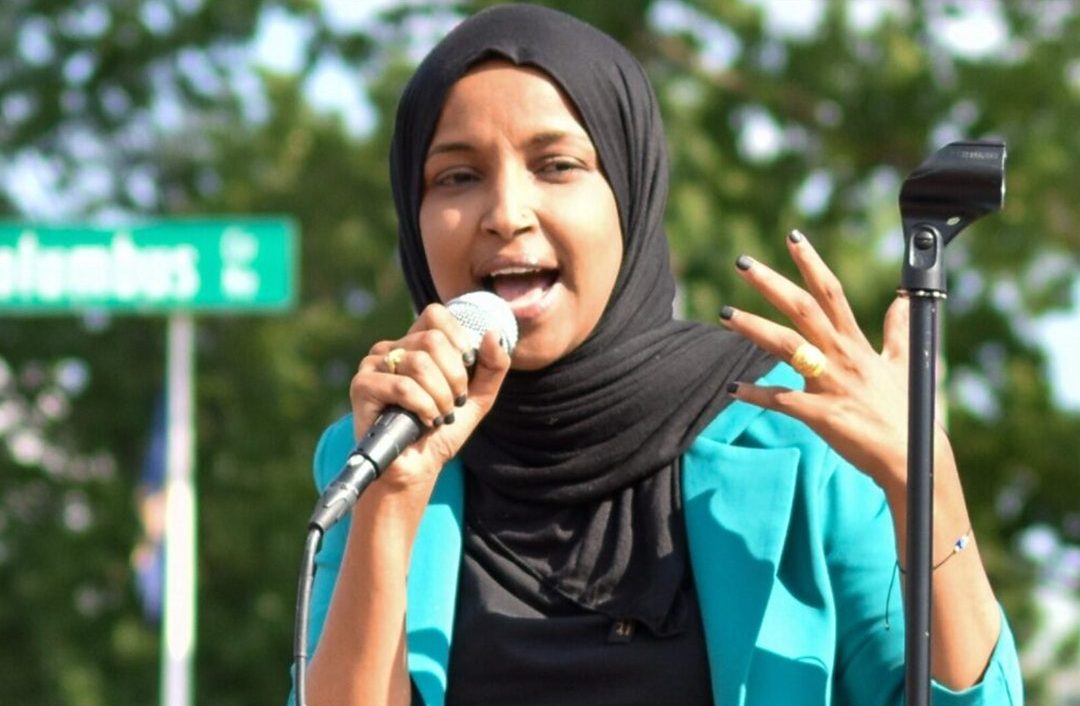
Isra Hirsi, the daughter of U.S. Representative Ilhan Omar (D-MN), is drawing criticism following comments she made in support of protests in Los Angeles tied to recent federal immigration enforcement actions.
In a widely circulated Instagram post, Hirsi linked events in Los Angeles to broader geopolitical issues, including the ongoing conflict in Gaza. “From L.A. to Rafah, there is one common oppressor — death to the colonial empire. Life for our children,” she wrote.
The post came amid large-scale protests in downtown Los Angeles, where demonstrators opposing federal enforcement efforts—reportedly targeting businesses suspected of criminal activity—clashed with police and damaged property.
Some participants in the protests carried Palestinian flags and used slogans referencing the intifada, a term commonly associated with Palestinian uprisings. In several areas, law enforcement reported acts of vandalism and confrontations with officers.
Critics of Hirsi’s post say it appeared to frame the events in Los Angeles as part of a global resistance movement and expressed concern that it might be interpreted as supporting unrest or violence. Her message linked immigration enforcement in the United States with military actions in the Middle East, characterizing both as expressions of colonial power.
This kind of framing has become more common among segments of activist communities that seek to draw connections between domestic and international struggles. Observers note that these movements often oppose both U.S. immigration policy and U.S. foreign policy toward Israel.
This is not Hirsi’s first time supporting such causes publicly. Earlier this year, she shared a fundraiser for Mahmoud Khalil, a Columbia University graduate who was arrested during campus protests and is currently facing immigration-related legal proceedings. Khalil, who has been associated with the Columbia University Apartheid Divest movement, has been accused by critics of holding extremist views.
Despite the controversy, the fundraiser exceeded expectations, raising more than $570,000 to support Khalil’s legal defense and living expenses.
In a separate incident, Hirsi was suspended from Barnard College for her involvement in an unauthorized protest encampment in support of Gaza. The encampment was eventually cleared by the NYPD following multiple warnings from university administrators.
Rep. Ilhan Omar, Hirsi’s mother, has expressed support for her daughter’s activism. “I am enormously proud of my daughter,” she said following the suspension.
The Department of Homeland Security and Immigration and Customs Enforcement have not yet issued a response to Hirsi’s recent comments. Federal and local law enforcement continue to manage ongoing demonstrations and security concerns in Los Angeles.
The convergence of anti-immigration enforcement protests with broader geopolitical activism has raised questions about how movements with international roots influence domestic unrest—and how public figures, including family members of elected officials, shape the conversation.
https://TWITTER.com/Fundji3/status/1932779768941793694
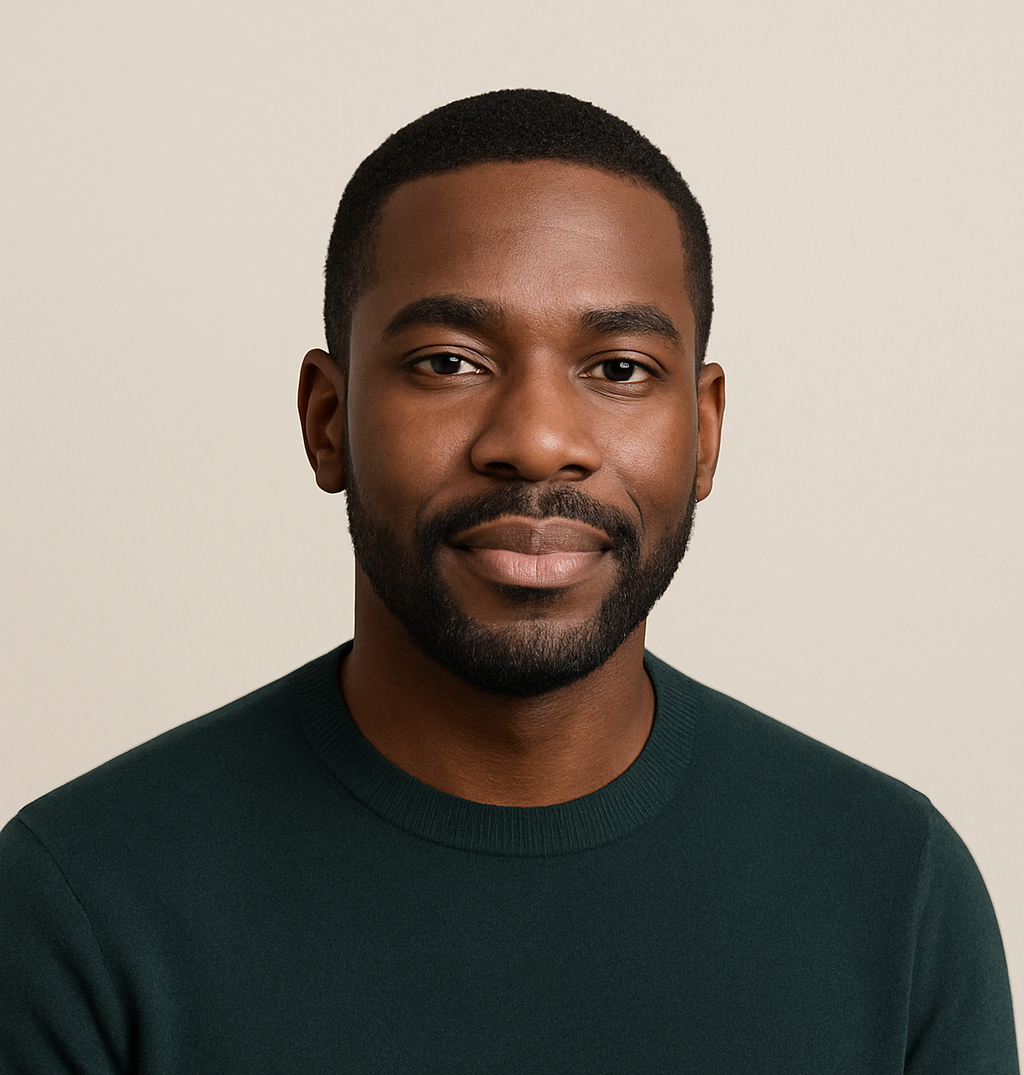
James Jenkins is a celebrated Pulitzer Prize-winning author whose work has reshaped the way readers think about social justice and human rights in America. Raised in Atlanta, Georgia, James grew up in a community that instilled in him both resilience and a strong sense of responsibility toward others. After studying political science and creative writing at Howard University, he worked as a journalist covering civil rights issues before dedicating himself fully to fiction. His novels are known for their sharp, empathetic portraits of marginalized communities and for weaving personal stories with broader political realities. Jenkins’s breakout novel, Shadows of Freedom, won national acclaim for its unflinching look at systemic inequality, while his more recent works explore themes of identity, resilience, and the fight for dignity in the face of oppression. Beyond his novels, James is an active public speaker, lecturing at universities and participating in nonprofit initiatives that support literacy and community empowerment. He believes that storytelling is a way to preserve history and inspire change. When not writing, James enjoys jazz music, mentoring young writers, and traveling with his family to explore cultures and stories around the world.