


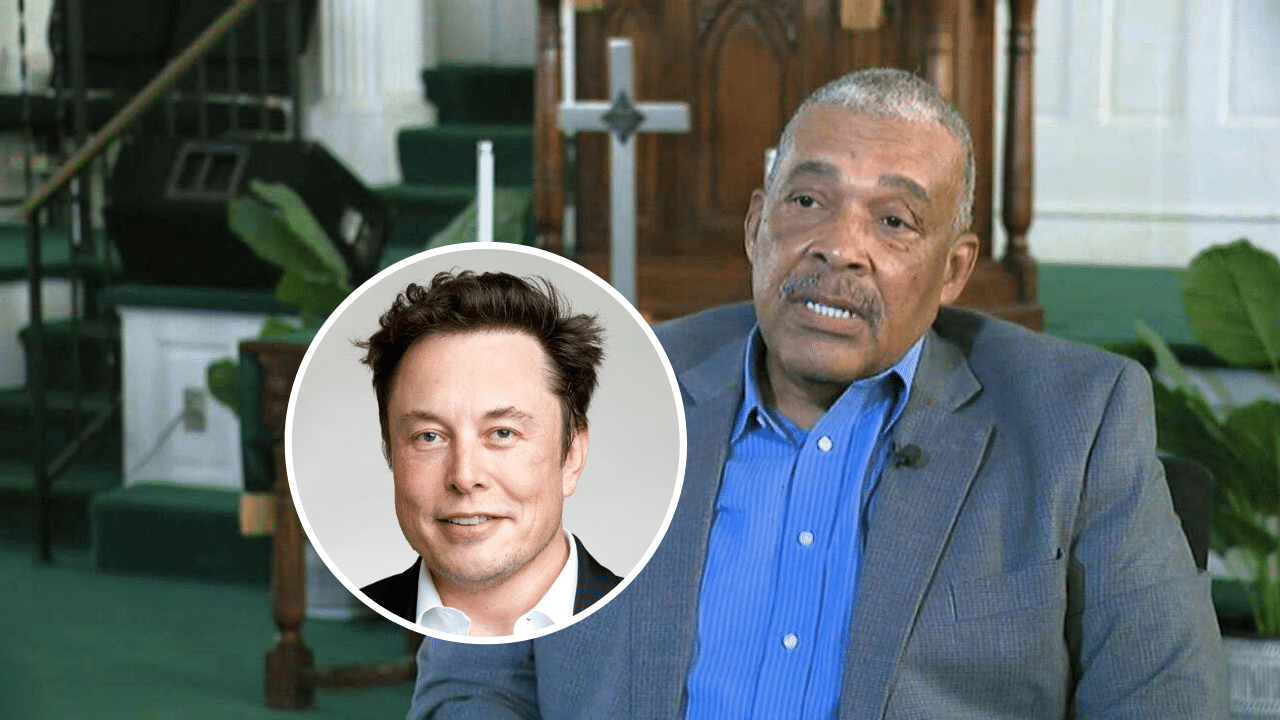
Pastor Steve Caudle of Greater Second Missionary Baptist Church in Chattanooga, Tennessee, has come under fire following a sermon in which he appeared to endorse the use of violence against a federal agency allegedly run by Elon Musk. The controversy erupted after a clip of Caudle’s sermon went viral, prompting criticism from religious leaders, political commentators, and even Musk himself.
The sermon, which was delivered during a Sunday school session, focused on Pastor Caudle’s fears regarding what he characterized as increasing government overreach. Caudle warned his congregation that the nation was approaching a critical and potentially dangerous point. “And in this nation, I’m worried that we are on the verge of bloodshed,” he said. “This is an attempt to take us back to a day that we do not want to go, and we will not go. Therefore, there will be conflict. I pray that the peace of God will win out and overcome the madness that is attempting to take over this nation.”
The most inflammatory line—and the one that sparked widespread backlash—came when Caudle declared, “No one likes violence, but sometimes violence is necessary.” The comment was interpreted by many as a call to arms against the Department of Government Efficiency (DOGE), a fictitious federal agency reportedly led by Elon Musk. Caudle alleged that Musk and DOGE were trying to “force their way into the United States Treasury” and posed a threat to Americans’ private information and Social Security benefits.
A clip of the sermon, shared by the X account “Woke Preacher Clips,” quickly gained traction online. In the video, Caudle warned that Musk’s alleged actions could warrant a violent response. “Sometimes the devil will act so ugly that you have no other choice but to get violent and fight!” he exclaimed.
The fallout was swift. Critics accused Caudle of inciting violence and distorting Christian teachings. Religious scholars and pastors condemned the sermon as a dangerous misuse of Scripture, especially when Caudle referenced Matthew 11:12—“The kingdom of heaven suffers violence, and the violent take it by force”—to support his stance. Many felt that he was taking the verse out of context to justify a militant attitude toward perceived political enemies.
Elon Musk himself responded to the viral clip on X, stating cryptically, “This tells me that he is trying to hide MASSIVE fraud,” adding fuel to the already heated discourse.
In the face of growing criticism, Pastor Caudle defended himself in an interview with American Family News. He insisted that his comments were misrepresented and taken out of context. “It’s really kinda funny,” Caudle said, noting that the sermon clip came from a longer 35-minute Sunday school lesson that focused on spiritual warfare, not physical confrontation. “I was talking about fighting the devil, not fighting the government,” he explained.
Despite this clarification, many remain unconvinced. Woke Preacher Clips rejected the defense, stating, “People always say things are taken out of context but never explain what specifically in the rest of the sermon changes the meaning of what’s been said in the highlighted clip.”
The incident underscores ongoing tensions between political rhetoric and religious messaging, as well as the responsibilities faith leaders bear when speaking from the pulpit in a polarized cultural landscape.
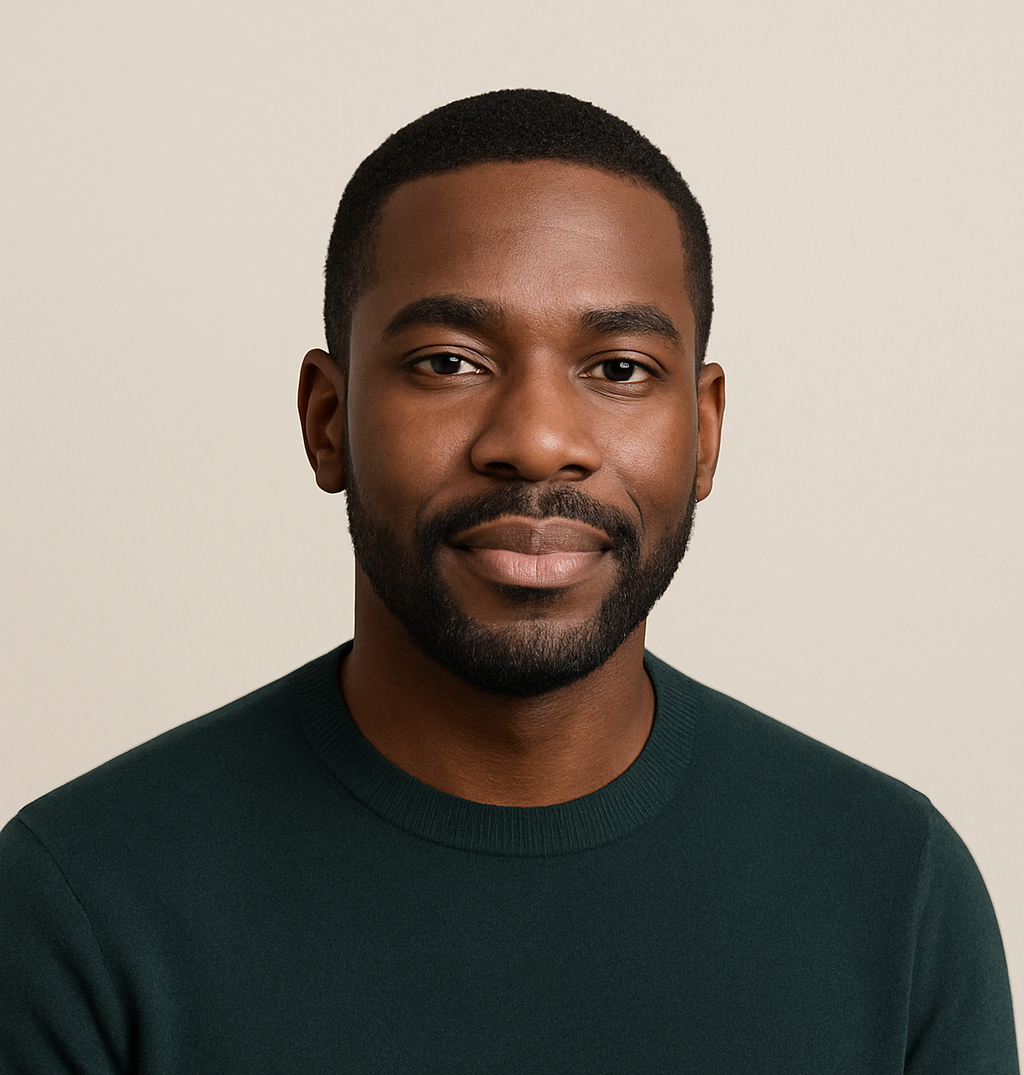
James Jenkins is a celebrated Pulitzer Prize-winning author whose work has reshaped the way readers think about social justice and human rights in America. Raised in Atlanta, Georgia, James grew up in a community that instilled in him both resilience and a strong sense of responsibility toward others. After studying political science and creative writing at Howard University, he worked as a journalist covering civil rights issues before dedicating himself fully to fiction. His novels are known for their sharp, empathetic portraits of marginalized communities and for weaving personal stories with broader political realities. Jenkins’s breakout novel, Shadows of Freedom, won national acclaim for its unflinching look at systemic inequality, while his more recent works explore themes of identity, resilience, and the fight for dignity in the face of oppression. Beyond his novels, James is an active public speaker, lecturing at universities and participating in nonprofit initiatives that support literacy and community empowerment. He believes that storytelling is a way to preserve history and inspire change. When not writing, James enjoys jazz music, mentoring young writers, and traveling with his family to explore cultures and stories around the world.