
My brother called while I was standing in the security line at the airport, and he told me he had sold my farmhouse.
Not asked. Not warned. Sold.
My suitcase was already gliding away down the conveyor belt behind the counter. My passport sat in my hand, boarding pass tucked inside, and I was exactly two hours from boarding a flight to Zurich—the first real vacation I had allowed myself in four years. I remember the exact tile pattern under my feet in that terminal, because it’s the kind of sterile detail your brain clings to when the ground shifts without warning.
“I got three million for it,” Brandon said, his voice light and breezy, as if he expected me to thank him. “Honestly, you should be grateful, Clara. That old place was just sitting there doing nothing.”
I stepped out of the security line, ignoring the sharp, annoyed sigh of the traveler behind me.
“You sold my farmhouse?” I said, keeping my voice quiet, though every nerve in my body wanted to scream.
He laughed—that easy, careless chuckle he’d used since we were kids, the one that always meant he assumed whatever mess he’d made would blow over by dinner. “Don’t be so dramatic. You live in the city. You barely even use the place.”
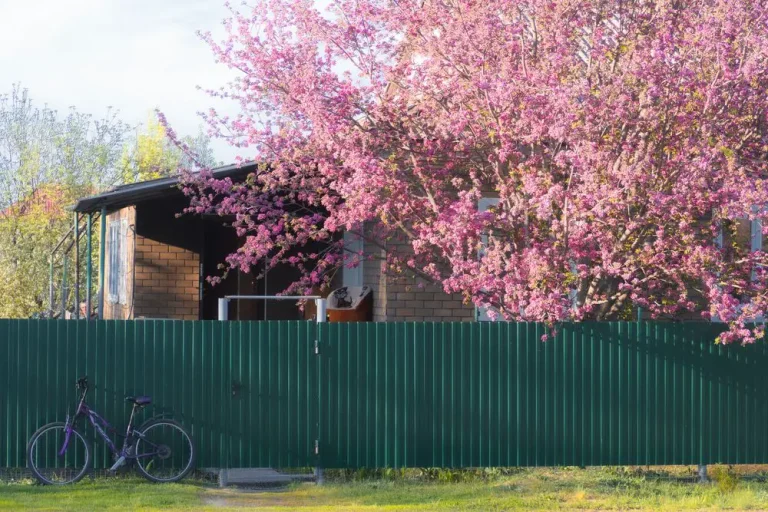
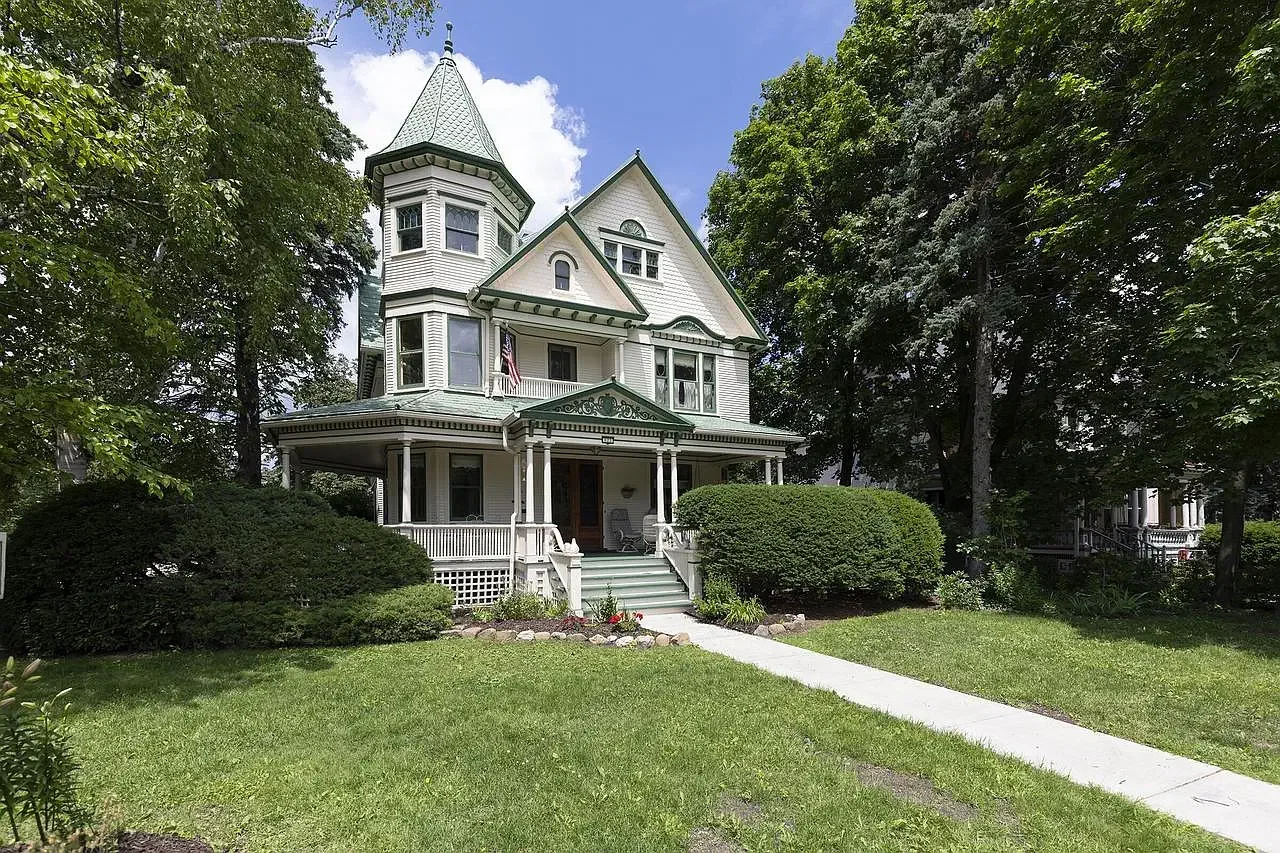
The farmhouse was worth six point three million dollars. Not because of some inflated real estate fantasy, but because it sat on eighty acres of restored apple orchards, wildflower meadows, and pristine lakefront land. My grandmother had left it to me—specifically to me—in her will.
I had rebuilt that house beam by beam after a fire nearly claimed the east wing when I was twenty-six. I sourced the reclaimed timber myself, tracking down a master carpenter three counties over who still knew how to match the original joinery. I paid the property taxes every year without fail. I hired and personally vetted the caretakers who kept the orchards alive through brutal winters. I had even converted the old barn—the one where Grandma used to store her cider presses—into a retreat space for foster kids aging out of the system, a place where they could finally have something that felt like theirs.
Brandon called it “my little country hobby” whenever it came up at family dinners, usually with a smirk aimed at whoever was listening.
I called it the only place that had ever truly felt like home.
“Where’s the money, Brandon?” I asked, a cold weight settling behind my ribs. My instincts were already miles ahead of my brain.
The silence on the line stretched so long I thought the call had dropped.
Then: “I spent it.”
My chest went cold in a way that had nothing to do with the airport’s aggressive air conditioning.
“On what?”
“Tessa’s business. She needed it more than you did.”
For three full seconds, the ambient noise of the airport—the boarding announcements, the rolling suitcases, the hum of a thousand travelers—simply vanished. There was only his breathing and the rapid pound of my own pulse.
Then he added, as if it were a perfectly reasonable defense: “Don’t be selfish, Clara. You’ve got other properties. You’ll be fine.”
I canceled my flight before he even finished the sentence. I didn’t yell. I didn’t cry. I just felt something inside me go incredibly, dangerously still—the way a surgeon must feel right before making the first cut, all panic compartmentalized so the hands can do their work.
By noon, I was behind the wheel of a rental car, driving the six hours back home while managing three phones’ worth of calls on speaker. My attorney was on one line, my property manager was on hold on another, and the county recorder’s office was answering through a painfully slow automated menu.
Brandon texted the entire way.
Don’t make this ugly.
It’s already done, Clara.
Family should support family.
Each message landed like a stone thrown at a window that refused to crack. By the time I turned down the long gravel road toward the farmhouse gates, my rage had burned down into something quieter. Sharper. It was the calm that settles in when you realize you hold all the cards, and the other person doesn’t even know the game has started.
Then I saw it. A “Sold” sign, tilted slightly, staked into the grass beside the driveway like a cheap garden ornament.
Next to it stood Brandon, his girlfriend Tessa, and a man in a cheap navy suit clutching a manila folder to his chest. Tessa wore oversized sunglasses despite the overcast sky, sporting a satisfied, dreamy little smile—the exact expression of a woman who has already picked out curtains for a house that was never hers to decorate.
Brandon spread his arms wide when he saw my car, grinning like he’d pulled off a brilliant surprise party. “See? No disaster. The buyer’s happy, Tessa’s business is saved, everyone wins.”
I got out of the car slowly. I looked at the man in the suit. I looked at the farmhouse behind him—my farmhouse—its windows catching the gray afternoon light exactly the way they had every day since I’d finished restoring it. Then I looked at the heavy, locked gate. Still shut. Still mine.
And I started laughing.
I genuinely couldn’t stop. It came up in an uncontrollable wave—the kind of laughter born of disbelief so absolute that your brain doesn’t know how else to process it.
Brandon’s grin faltered. “What’s funny?”
I wiped my eyes, catching my breath. “What’s funny,” I said, “is that you just sold a farmhouse you don’t own, to a buyer who doesn’t exist, using a deed that became legally invalid six months ago.”
Tessa slid her sunglasses down her nose. The man in the navy suit forgot how to breathe. I watched the color drain from his face in real time.
And for the first time since he’d called me at the airport, Brandon actually looked terrified.
He pointed at the folder clutched in the man’s hands. “I have the papers.”
“I’m sure you do,” I said. “That’s exactly the problem.”
Right on queue, my attorney, Evelyn Price, pulled up behind my rental car. I’d called her the second I hit the highway, and she’d driven straight over without asking a single question. She stepped out of her vehicle in a sharp gray suit, carrying the kind of effortless composure that makes guilty people sweat before she even opens her mouth.
Brandon’s jaw tightened. “Why is she here?”
Evelyn ignored him entirely, turning her attention to the man in the navy suit. “Mr. Keller, is it? The buyer?”
He nodded, far too quickly.
She pulled out her tablet, scrolled once, and looked up. “Interesting. Because Keller Holdings was formally dissolved last year. And your real estate broker’s license was suspended after a wire fraud complaint filed against you eight months ago.”
Tessa’s hand shot out, grabbing Brandon’s arm. “What does that mean?”
“It means your boyfriend just got scammed while he was in the middle of committing fraud,” I said.
Brandon’s face flushed. “I did not commit fraud.”
Evelyn calmly handed him a copy of the actual, current, legally binding deed.
Here is what Brandon had never bothered to find out, because details have never been his strong suit. Six months earlier, after Brandon had “borrowed” copies of my property records under the guise of helping with family tax planning, I had quietly moved the farmhouse into a protected charitable trust. I did it on the advice of my grandmother’s old estate lawyer, who gently reminded me that property left outright to a single sibling in a family like ours tends to invite precisely this kind of disaster.
The trust required approval from three separate trustees, two rounds of formal legal notice, and my own verified, in-person signature before any sale could even be initiated.
Brandon had none of that. What he had was an outdated photocopy of an old deed, a forged authorization letter with my signature traced badly enough that even Tessa should have noticed, and an ocean of unearned arrogance.
The fake buyer, “Mr. Keller,” had convinced my brother that all he needed to do was sign a document claiming he held power of attorney over my estate. Brandon, who had never read the fine print of anything in his life, signed without a second thought. Then he wired the full three million dollars—not into a legitimate escrow account, but directly into an account belonging to Tessa’s “business partner.”
That partner had vanished early that morning, taking every single cent with him.
Tessa went pale. “You said the money was safe.”
Brandon rounded on her instantly. “You said your investor specialized in luxury properties!”
Evelyn’s phone rang in the middle of their meltdown. She stepped away, listened for a moment, then walked back to us.
“The county fraud unit is on their way,” she said. “And Clara, the bank just confirmed that the wire transfer went through a shell account directly tied to Tessa’s company.”
Tessa whispered, “No,” so quietly it was barely a breath.
I looked at my brother—the boy I had shared a bunk bed with, shared birthday cakes with, shared every childhood summer with on this exact grass.
“You stole from me,” I said, “to impress someone who was busy stealing from you.”
Within minutes, two sheriff’s vehicles turned onto the gravel road, tires crunching as they pulled up to the gate. Brandon actually stepped backward, trying to put distance between himself and the situation, as if physical space could undo the last six hours.
But the gate stayed locked. It had never once been unlocked.
Brandon started talking the second the deputies stepped out, the words tumbling out of him in a desperate, incriminating rush. He claimed it was all just a family misunderstanding. He said I had agreed to this verbally, years ago, at some dinner none of us could actually place. He said the farmhouse had “basically always been shared property” because Grandma loved us all equally—as if love and legal title were interchangeable.
I let him speak. I didn’t interrupt once. There is a very particular satisfaction in letting someone dig their own grave when you already know exactly how deep the hole goes.
Then Evelyn stepped forward. She handed the officers the trust documents, the forged authorization letter, the wire transfer receipts, and, most damning of all, printed copies of the text messages where Brandon had cheerfully confessed to everything in writing.
One of the deputies read the text aloud, his voice flat and professional. “I spent all the money on my girlfriend’s business. She needed it more than you.”
Even Tessa looked away from him then.
The fake buyer was arrested two days later at a motel near the state line, halfway through packing for a quiet disappearance. Tessa insisted for days that she was a victim who knew nothing about the scheme, right up until investigators recovered a string of emails proving she had actively encouraged Brandon to use my old, invalidated deed. “Your sister won’t want to fight family stuff out in public,” she had written.
She was wrong. I fight with paperwork, and paperwork doesn’t care about public appearances or family holidays. It only cares about what’s true.
The farmhouse never actually changed hands; the entire transaction had been legally void before Brandon even arrived at the gate. But the attempted fraud carried massive, real-world consequences. Brandon lost his job within the month when his employer discovered he’d used company software to fabricate the financial statements he used to sell the scheme to Tessa’s “investor.” Tessa’s business accounts were frozen pending a full federal investigation.
And my parents, predictably, called to tell me I was cruel for ruining his life.
I didn’t argue with them. I just sent them a single screenshot of the text where Brandon had written: She has too much anyway.
My mother didn’t call me for a week after that. When she finally did, she asked, very carefully, if I might at least consider helping cover his legal fees.
I laughed. Not the wild, disbelieving laugh from the driveway, but something much quieter. Just enough to make the answer clear before I even spoke.
“No,” I told her. “I’m done funding people who confuse my success with their permission to spend it.”
Six months later, the farmhouse hosted its first full summer retreat for foster teens since the arrest. They painted the old barn doors a bright, cheerful blue, planted rows of heirloom vegetables in the garden beds I’d built years ago, and spent their evenings gathered around the fire pit, trading stories about the different houses they’d survived before landing, even briefly, somewhere steady.
This land was never just an asset to me, no matter how many times Brandon reduced it to a number in his head. It was a promise. My grandmother left it to me because she knew, better than anyone else in our family, that I would be the one to protect it from people who only ever saw dollar signs where they should have seen roots.
Brandon thought he’d sold my farmhouse out from under me. All he actually managed to do was prove, in the clearest possible terms, exactly why he was never supposed to have a key to it in the first place.

Sarah Mitchell is a bestselling novelist recognized for her insightful and emotionally resonant stories that explore the complexities of human relationships. Originally from Denver, Colorado, Sarah grew up in a family of teachers who nurtured her curiosity and love for storytelling. She studied psychology at Stanford University, where she became fascinated by the intricacies of human behavior—an interest that would later shape her writing career. Sarah’s novels are praised for their nuanced characters, intricate plots, and ability to capture the subtle tensions that define love, friendship, and family ties. Her breakthrough novel, The Spaces Between Us, became an instant bestseller, lauded for its honest portrayal of strained family relationships and the fragile bonds that hold people together. Since then, she has published several works that continue to captivate audiences around the world. Outside of her writing career, Sarah is passionate about mental health advocacy and often partners with organizations to promote awareness and support for those struggling with emotional well-being. Her personal life is quieter—she enjoys hiking in the Colorado mountains, practicing yoga, and spending time with close friends. With each new book, Sarah Mitchell cements her reputation as a writer who illuminates the beauty and struggles of human connection.