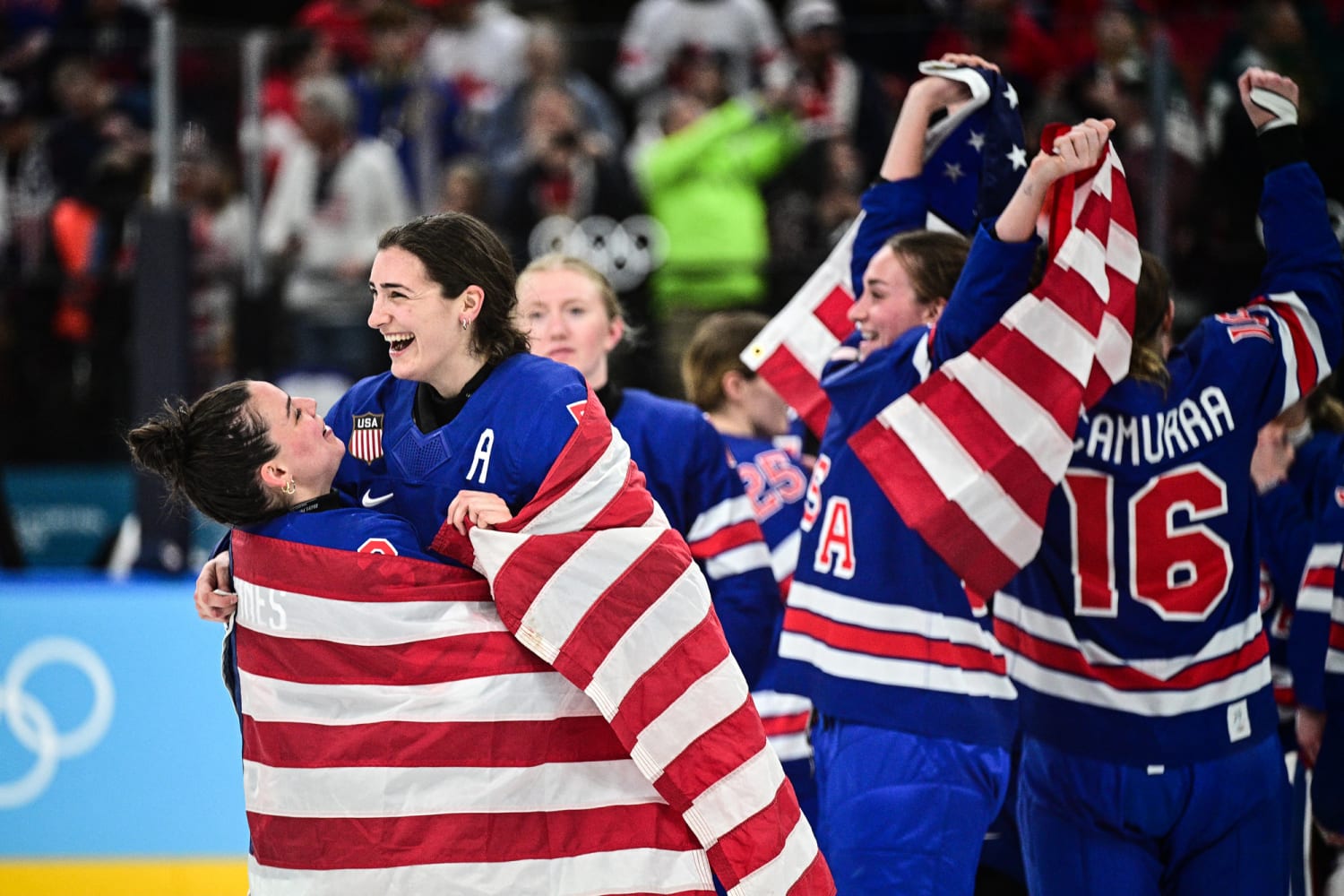
Team USA’s women’s ice hockey stars delivered a performance for the history books on the international stage. But when the time came to celebrate that achievement back home, their decision sparked a debate that quickly spread far beyond the rink.
A Golden Run In Italy
The Winter Games in Milan and Cortina turned into a defining moment for American ice hockey. Both the men’s and women’s national teams entered the tournament with high expectations, fueled by years of rivalry with Canada and a shared goal of reclaiming Olympic glory.
The women set the tone first. Facing Canada in a tense and physical final, they secured a hard-fought victory that capped a near-flawless campaign. Their gold medal win added another chapter to a legacy that has seen the U.S. women reach the podium in every Olympic appearance.
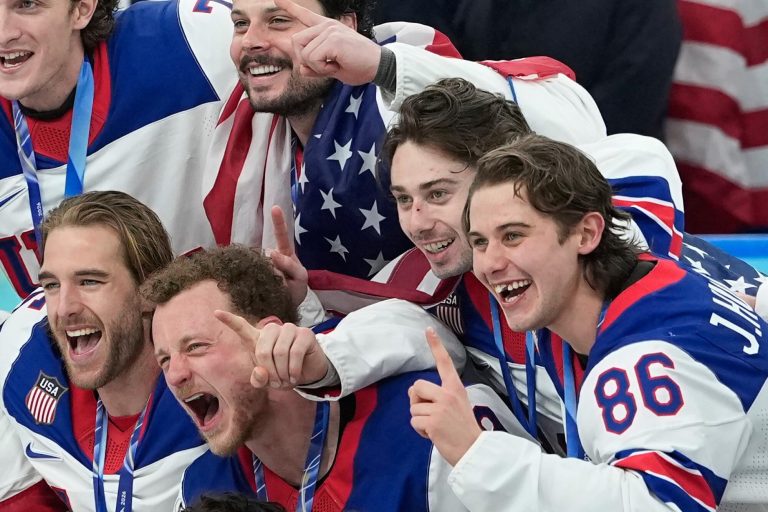
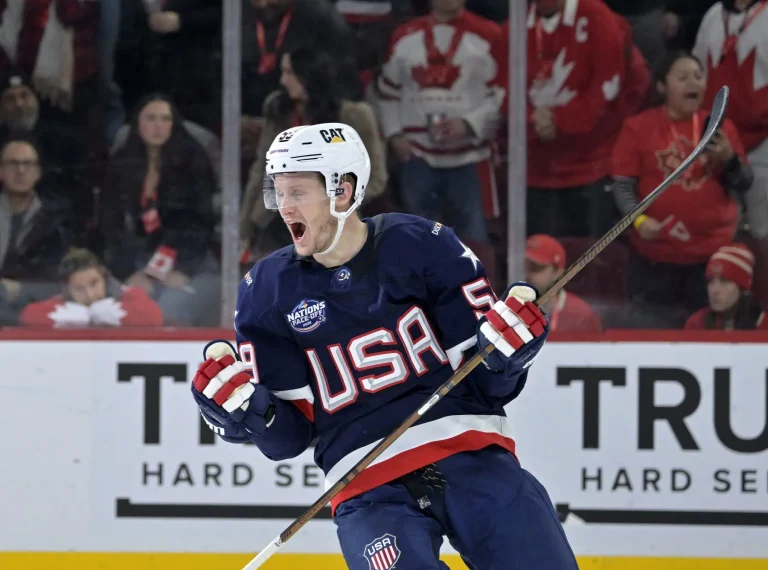
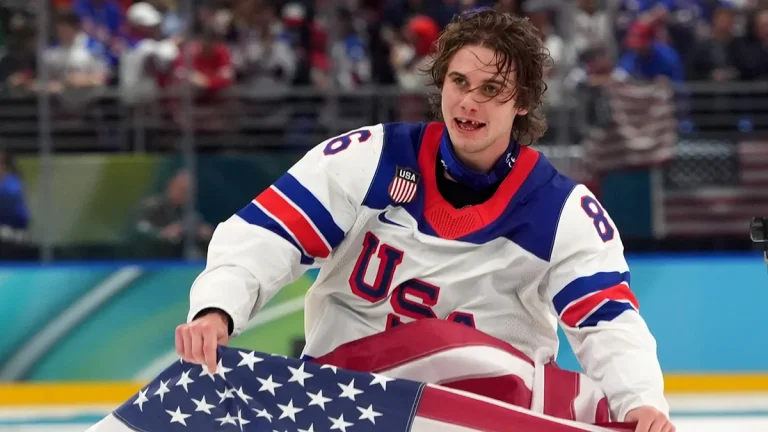
Days later, the men’s team followed suit. In a dramatic rematch against the same Canadian rivals, the U.S. squad clinched a narrow 2–1 victory, completing a rare double triumph for the nation.
For Team USA, it was a golden fortnight—two championships, two emotional victories, and a shared celebration of national pride.
A Presidential Invitation
In the immediate aftermath of the men’s victory, Donald Trump personally called the team to congratulate them. The call was upbeat and celebratory, reflecting the magnitude of their achievement.
During the conversation, he extended an invitation to Washington, D.C., suggesting a White House visit and attendance at the upcoming State of the Union address. He even offered to arrange special transportation for the team.
“I can send a military plane or something,” he told the players. “If you would like to, it’s the coolest night. We will do the White House the next day, we will just have some fun, we have medals for you guys.”
The players responded enthusiastically to the idea of celebrating in the capital. For many athletes, a White House visit is considered a traditional honor following major international victories.
A Comment That Changed The Tone
As the call continued, the conversation turned toward the women’s team, who had also secured gold.
The president acknowledged that the women’s squad would also need to be included in any celebration. His phrasing, however, drew attention once it became public.
“I must tell you, we’re going to have to bring the women’s team,” he said. “I do believe I probably would be impeached.”
Laughter could be heard among some of the players on the call. But once video of the moment circulated online, reactions were swift and divided.
Public Reaction And Criticism
The clip spread rapidly across social media, drawing criticism from fans, commentators, and sports figures. Some viewers described the remark as dismissive toward the women’s team, whose Olympic record has historically surpassed that of the men’s program.
Others pointed out that the women have medaled in every Olympic appearance and recently captured their third gold, while the men’s program has had fewer top finishes in recent decades.
Online reactions reflected frustration, with some accusing the moment of undermining the achievements of the women’s team. Others argued that the laughter from players signaled a lack of sensitivity toward their female counterparts.
Supporters of the men’s team and the president, however, described the exchange as lighthearted and taken out of context. They emphasized the camaraderie between the two national squads and suggested that the reaction online overstated the intent behind the remark.
The Women’s Team Responds
As the debate intensified, attention turned to how the women’s team would respond to the invitation.
Through an official spokesperson, the organization issued a statement acknowledging the invitation while confirming that the athletes would not attend the State of the Union.
“We are sincerely grateful for the invitation extended to our gold medal–winning U.S. Women’s Hockey Team and deeply appreciate the recognition of their extraordinary achievement,” the statement read.
“They were honoured to be included and are grateful for the acknowledgment.”
However, the statement continued, the team would not be able to attend due to logistical constraints.
“Due to the timing and previously scheduled academic and professional commitments following the Games, the athletes are unable to participate.”
The response struck a measured tone—expressing gratitude while emphasizing scheduling conflicts rather than engaging directly with the controversy.
A Moment Larger Than Sports
The situation quickly evolved into more than a sports story. It became a flashpoint in broader cultural conversations about gender equality, recognition in athletics, and the intersection of politics with sport.
For many observers, the controversy underscored longstanding disparities in how men’s and women’s teams are discussed, celebrated, and valued. For others, it highlighted the difficulty athletes face when navigating political moments that arise from their achievements.
Within the teams themselves, players emphasized unity and shared pride in representing their country. Athletes from both squads spoke about the bond formed during the Olympic Village experience, where they celebrated each other’s victories and supported one another through the highs and lows of competition.
Moving Forward
Despite the debate, the accomplishments of both teams remain undeniable. Winning gold at the Olympic level requires years of preparation, sacrifice, and resilience.
The women’s decision to decline the Washington appearance did not diminish their achievement on the ice. Instead, it reflected the complex realities athletes face once their performances enter the public and political spotlight.
For Team USA, the focus now turns to the future—building on the success of Milan and Cortina and preparing for the next international challenge.
Their victories in Italy will be remembered not only for the medals they brought home, but also for the conversations they sparked about respect, recognition, and the role of athletes in a rapidly changing cultural landscape.

Emily Johnson is a critically acclaimed essayist and novelist known for her thought-provoking works centered on feminism, women’s rights, and modern relationships. Born and raised in Portland, Oregon, Emily grew up with a deep love of books, often spending her afternoons at her local library. She went on to study literature and gender studies at UCLA, where she became deeply involved in activism and began publishing essays in campus journals. Her debut essay collection, Voices Unbound, struck a chord with readers nationwide for its fearless exploration of gender dynamics, identity, and the challenges faced by women in contemporary society. Emily later transitioned into fiction, writing novels that balance compelling storytelling with social commentary. Her protagonists are often strong, multidimensional women navigating love, ambition, and the struggles of everyday life, making her a favorite among readers who crave authentic, relatable narratives. Critics praise her ability to merge personal intimacy with universal themes. Off the page, Emily is an advocate for women in publishing, leading workshops that encourage young female writers to embrace their voices. She lives in Seattle with her partner and two rescue cats, where she continues to write, teach, and inspire a new generation of storytellers.