


A major American fast-food brand is preparing to shutter hundreds of restaurants across the United States in the coming months, marking one of the most significant waves of closures in its recent history.
The announcement came during the company’s fourth-quarter earnings call on Feb. 13, where executives outlined an aggressive restructuring strategy aimed at strengthening long-term profitability. Company leadership described the closures as part of a broader “system optimization” effort tied to an internal turnaround initiative known as Project Fresh.
Under the plan, between 5% and 6% of the chain’s U.S. restaurants are expected to close during the first half of 2026.
At the end of the fourth quarter, the company operated 5,969 locations nationwide. Based on those figures, that percentage translates to roughly 300 to 360 restaurants potentially shutting their doors in the coming months.
While corporate representatives declined to identify specific locations slated for closure, they confirmed that the decision will focus on “consistently underperforming restaurants.” The goal, executives said, is to allow franchise partners to concentrate on stores with the strongest potential for sustainable, profitable growth.
The closures represent a strategic recalibration rather than a wholesale retreat from the U.S. market. Leadership emphasized that the brand continues to see opportunity in modernization efforts, menu innovation, and digital ordering expansion. However, they acknowledged that some locations have struggled due to changing consumer patterns, increased labor and supply costs, and evolving competition in the quick-service space.
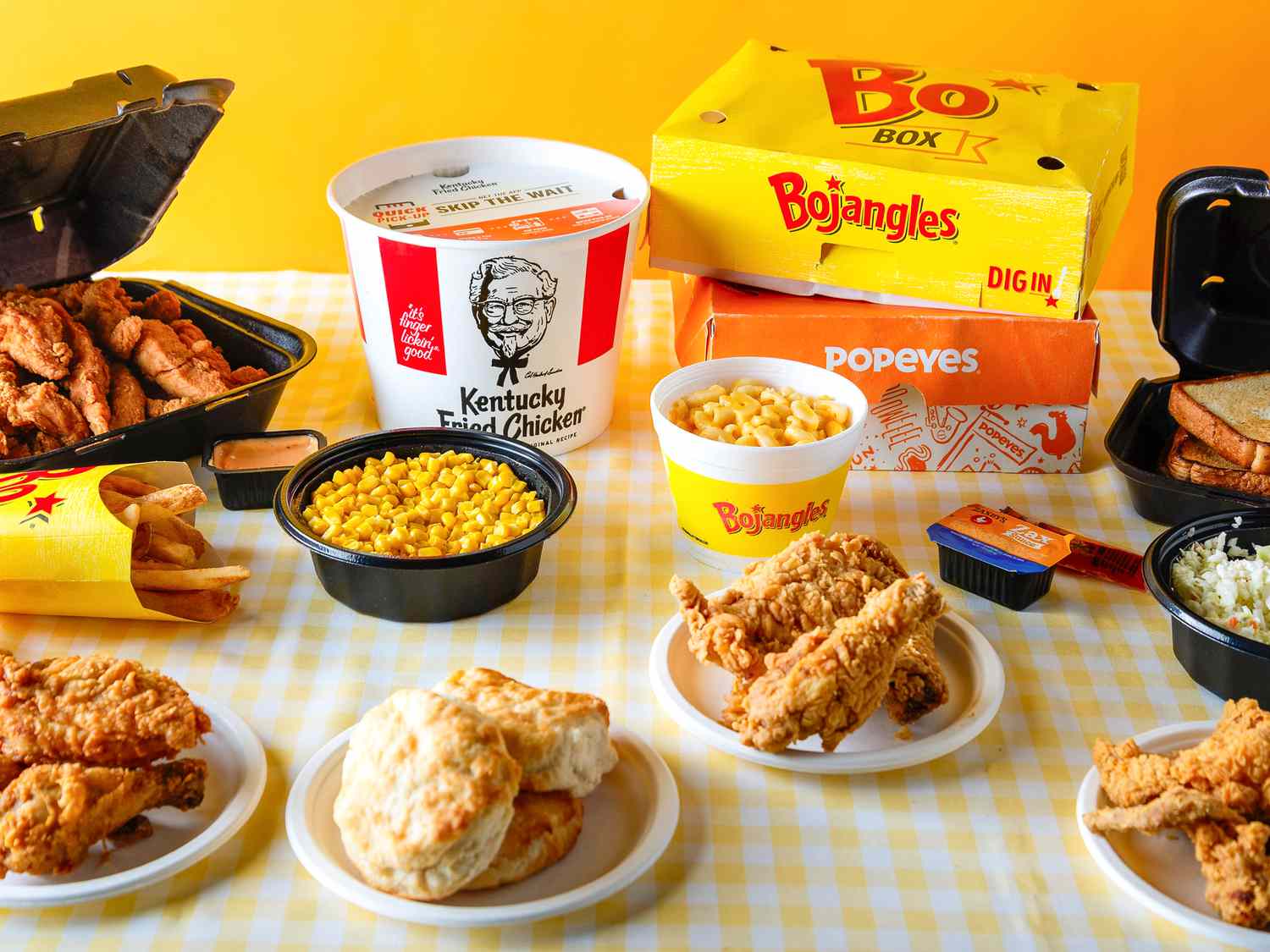
The fast-food industry has faced mounting pressure in recent years. Inflation has squeezed both consumers and operators, while competition from fast-casual chains and delivery-first concepts has intensified. At the same time, labor shortages and rising operational expenses have forced companies to reassess which locations remain viable.
The brand at the center of the latest announcement is Wendy’s.
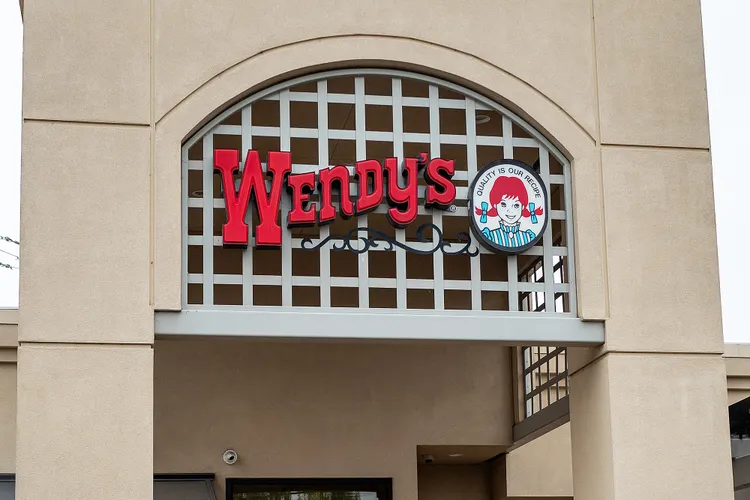
During the earnings call, Interim CEO and CFO Ken Cook addressed analysts directly, positioning the closures as a necessary step within Project Fresh, a turnaround plan first introduced in October. According to Cook, reducing the number of underperforming units will help streamline operations and improve overall system health.
“This is about focusing resources where they can generate the greatest return,” Cook explained, according to the company’s earnings summary. By concentrating on stronger-performing restaurants, franchisees are expected to reinvest in upgrades, marketing, and customer experience improvements.
Though Wendy’s has not publicly disclosed which states or cities will be most affected, the company operates in nearly every state nationwide. With approximately 300 to 360 closures expected, industry analysts anticipate the impact will be spread across multiple regions rather than concentrated in one specific area.
Because Wendy’s has locations in all 50 states and major metropolitan markets such as New York City, Los Angeles, Chicago, Houston, and Atlanta, closures could potentially touch dozens of states and numerous large cities. However, the company has not confirmed a state-by-state breakdown, and specific metropolitan impacts remain unknown.
Despite the sobering news about closures, Wendy’s is also leaning into promotional efforts aimed at maintaining customer engagement.
Later this month, the chain plans to celebrate National Chili Day with a limited-time offer. On Feb. 26, customers who spend at least $5 through the Wendy’s mobile app will be eligible to receive a free small chili. The one-day-only promotion is designed to drive digital engagement and foot traffic during a period of operational transition.
The chain has also continued to introduce new and returning menu items to generate excitement. Recently, Wendy’s brought back its Thin Mints Frosty collaboration, while competitors such as Burger King have revived popular Whopper variations to attract nostalgic customers.
The closures at Wendy’s come amid broader turbulence in the restaurant industry. In separate news, Del Taco has closed all remaining locations in Georgia. The Mexican-American fast-casual chain had already been reducing its footprint after filing for Chapter 11 bankruptcy protection in July 2025. The final 11 Georgia restaurants have now been marked as permanently closed in local listings.
Del Taco has also scaled back significantly in Alabama, where only one location — in Huntsville — remains operational, according to the company’s website.
Taken together, these developments reflect an industry undergoing significant recalibration. While some chains are expanding aggressively, others are trimming underperforming stores to preserve margins and improve efficiency.
For Wendy’s, Project Fresh represents an effort to modernize not just its physical locations but also its broader business model. Executives have pointed to digital ordering, drive-thru optimization, and refreshed store designs as pillars of the strategy.
Analysts note that closing weaker stores can often improve a company’s overall financial profile, even if it temporarily reduces total unit count. By eliminating locations that struggle to generate consistent profit, companies can redirect investment into higher-performing markets.
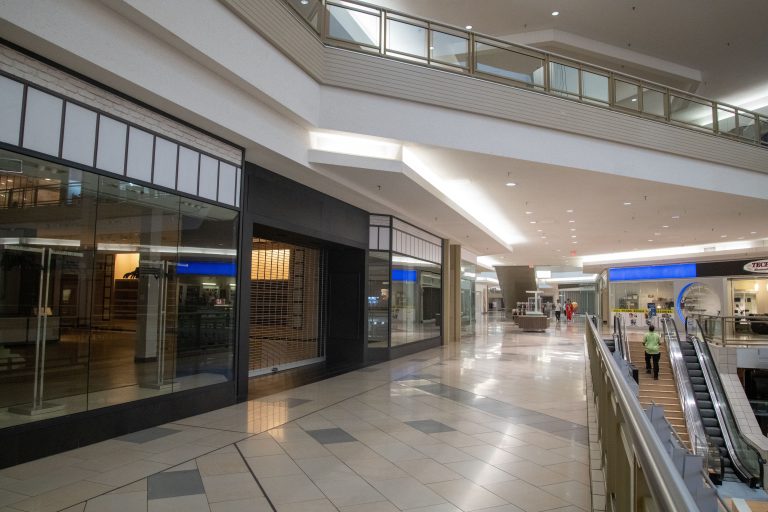
Still, closures inevitably raise concerns for employees and communities. Restaurant shutdowns can result in job losses and reduced local economic activity, particularly in smaller towns where options may already be limited.
Wendy’s has not provided details about workforce transitions or whether employees from closing locations will be offered transfers to nearby restaurants. Historically, companies undergoing similar restructurings have attempted to relocate staff where feasible, though outcomes vary by region.
As 2026 unfolds, industry watchers will be paying close attention to how effectively Wendy’s executes its turnaround plan. The success of Project Fresh may ultimately depend on whether the remaining restaurants can boost sales growth and customer satisfaction enough to offset the reduction in store count.
In the meantime, customers in affected areas may begin noticing “permanently closed” signs appearing at certain locations over the next several months.

Emily Johnson is a critically acclaimed essayist and novelist known for her thought-provoking works centered on feminism, women’s rights, and modern relationships. Born and raised in Portland, Oregon, Emily grew up with a deep love of books, often spending her afternoons at her local library. She went on to study literature and gender studies at UCLA, where she became deeply involved in activism and began publishing essays in campus journals. Her debut essay collection, Voices Unbound, struck a chord with readers nationwide for its fearless exploration of gender dynamics, identity, and the challenges faced by women in contemporary society. Emily later transitioned into fiction, writing novels that balance compelling storytelling with social commentary. Her protagonists are often strong, multidimensional women navigating love, ambition, and the struggles of everyday life, making her a favorite among readers who crave authentic, relatable narratives. Critics praise her ability to merge personal intimacy with universal themes. Off the page, Emily is an advocate for women in publishing, leading workshops that encourage young female writers to embrace their voices. She lives in Seattle with her partner and two rescue cats, where she continues to write, teach, and inspire a new generation of storytellers.