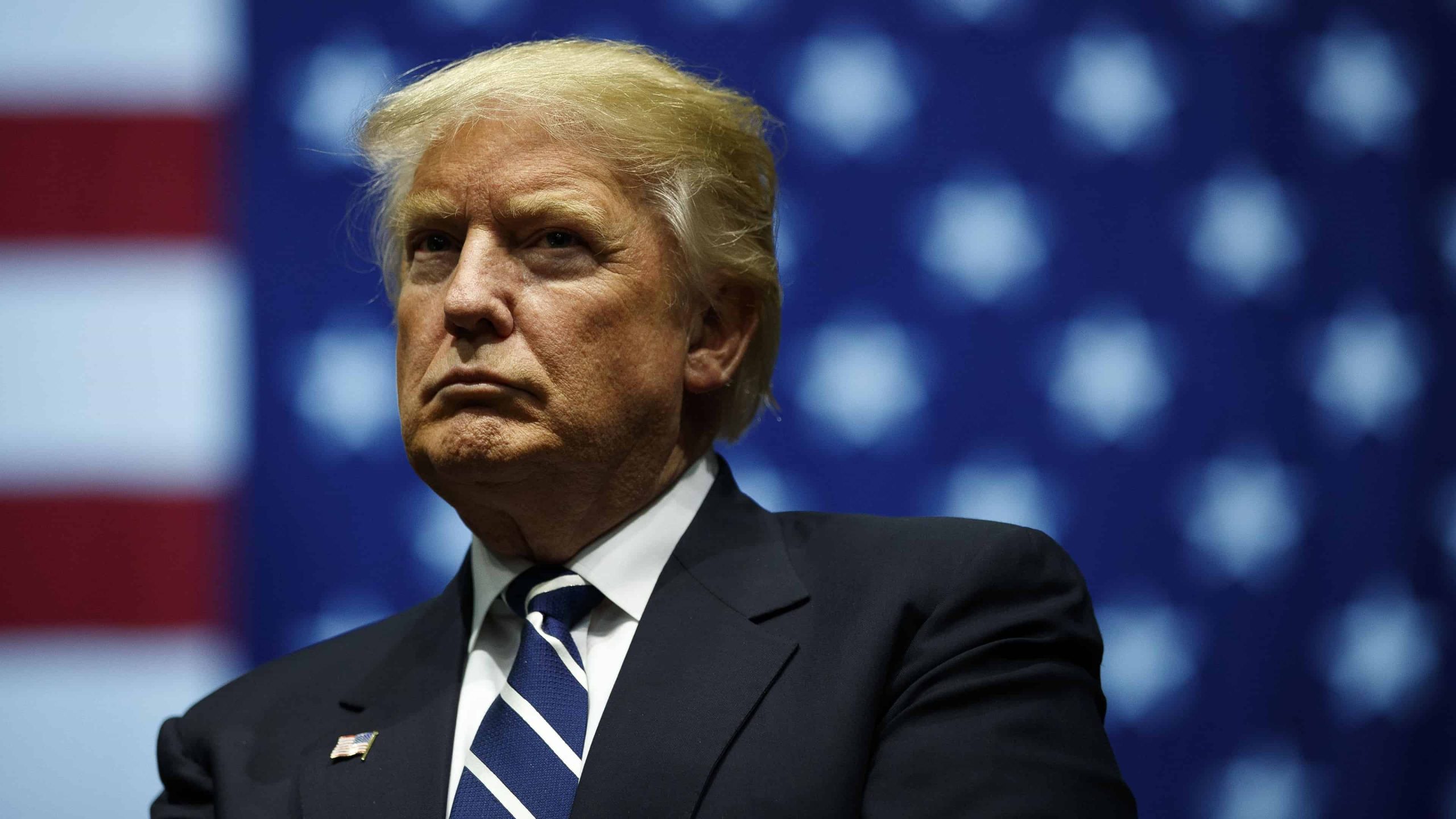
The state Senate voted Thursday to approve a controversial measure that would rename a major commercial airport after the current president, sparking hours of pointed debate over cost, timing, and precedent. Lawmakers weighed the implications of honoring a sitting president with such a high-profile designation, with both sides offering sharply contrasting perspectives on the move.
The legislation, passed on a 25-11 vote, centralizes authority over the naming of major commercial service airports at the state level. In addition to naming one airport after the president, the bill formalizes the official titles of several other key airports across the state, most of which retain their existing geographic designations. However, one facility would be completely rechristened, marking a rare instance in U.S. history where a sitting president receives a namesake landmark of this scale.
Republican lawmakers framed the measure as a recognition of the president’s long-standing ties to the region. “President Trump is a resident of this area,” said the bill’s sponsor, Republican Sen. Debbie Mayfield. “It’s an honor for me to present legislation to rename this airport after the first resident of our state to be elected president of the United States.” Mayfield stressed that the move was intended as a symbolic acknowledgment of the president’s influence and presence in the community rather than a partisan gesture.
Under the legislation, the renaming would proceed only after a licensing agreement is executed with the rights holder for the president’s name. Mayfield noted that the arrangement is structured to be royalty-free, ensuring that the county can use the name in perpetuity without financial burden. The agreement covers signage, marketing materials, and merchandising, all of which would carry the new designation at “no cost.”
The facility at the center of the debate is Palm Beach International Airport. Located in a county long associated with the president’s personal and business holdings, the airport would see its historic name replaced under the bill. The change is designed primarily as a branding effort and does not create a new legal entity or alter the airport’s operational structure.

Democratic senators criticized the bill as an unnecessary expenditure of taxpayer funds. They highlighted an estimated $5.5 million in costs for updating signage, marketing materials, and other logistical elements tied to the name change. “$5.5 million of our money, your taxpayer money, just to satisfy the fragile ego of our sitting president,” said Democratic Sen. Tina Polsky. “The county did not weigh in on this. Citizens did not weigh in on this decision.”
Polsky also alleged that the president had requested the renaming, a claim Mayfield strongly denied in her closing remarks. “President Trump did not ask me—matter of fact, I haven’t even spoken to him about this bill. These discussions have been negotiated solely between the county and the relevant entities,” Mayfield said, emphasizing that the initiative was locally driven and not federally influenced.
Proponents of the bill argued that the renaming reflects the president’s longstanding presence and economic impact in the region. Supporters point to his ownership of Mar-a-Lago, multiple golf properties, and other investments in the area as evidence of his connection to the community. Mayfield described the measure as a straightforward branding change, noting that it follows historical precedent for naming landmarks after prominent political figures.
The legislative maneuvering surrounding the bill also drew attention. The Senate initially considered SB 706, but Mayfield moved to substitute the House version, HB 919, citing their near-identical language. The substitution process ensures that both chambers pass the same text, expediting the bill’s journey to the governor’s desk. Before this substitution, the Senate rejected a series of Democratic amendments. These amendments sought to delay the renaming until the president leaves office, require a local referendum in Palm Beach County, and mandate that the airport’s FAA code, PBI, remain unchanged. Republican lawmakers opposed these changes, arguing that the state has historically named landmarks after influential leaders and that the bill provides a uniform framework for airport naming.
Beyond procedural questions, the debate touched on broader issues of political symbolism. Critics warned that honoring a sitting president could be seen as partisan or premature, while supporters framed it as recognition of a local figure who achieved national prominence. Both sides acknowledged the unusual nature of the decision, with no comparable examples in recent history involving airports of similar size and prominence.
The financial impact was a key point of contention. While supporters argue that the $5.5 million cost is a one-time expenditure that includes signage, marketing, and merchandising updates, opponents framed it as an unnecessary use of taxpayer dollars for symbolic purposes. Some also raised concerns about potential long-term costs related to branding, licensing, and public perception.
Despite the objections, the Senate ultimately passed HB 919. If signed into law by Governor Ron DeSantis, the renaming would take effect July 1, 2026. Government records created on or after that date would be required to use the new airport name. Lawmakers and local officials involved in the measure emphasized that the change is primarily ceremonial and does not interfere with airport operations, staffing, or management structures.
The Palm Beach County Commission previously participated in discussions with the Trump organization to secure perpetual rights to the name. The agreement ensures that the county retains full authority to use the president’s name for official purposes without paying royalties or fees. Supporters argued that this protects taxpayers from ongoing costs while allowing the community to honor a prominent local resident who achieved the highest office in the nation.
Historical precedent played a role in the debate. Proponents cited examples of landmarks, highways, and public buildings named after prominent figures as justification for the decision. Opponents, however, noted that most such namings occur posthumously or after the individual leaves public office, suggesting that honoring a sitting president is an unusual and potentially divisive move.
In the closing hours of debate, Mayfield emphasized the symbolic nature of the renaming, framing it as a reflection of civic pride and regional heritage rather than political allegiance. She highlighted the president’s decades-long connection to Palm Beach County and argued that the measure codifies recognition of a historic achievement: a resident of the county ascending to the presidency.
Democratic senators remained vocal in opposition, expressing concern about the timing, cost, and optics of the decision. They stressed the importance of citizen input and the need for transparency in such significant decisions affecting public spaces. However, the 25-11 vote reflects the Senate’s Republican majority and the broader support among lawmakers for a measure viewed as honoring a figure with local ties.
If Governor DeSantis signs the bill, Palm Beach International Airport will join a small but growing list of American landmarks named after living figures. While the decision may provoke ongoing debate over political symbolism, financial impact, and public opinion, supporters believe it will serve as a lasting acknowledgment of a unique historical milestone for the region.
By establishing a uniform naming process for multiple airports in the state, the legislation also sets a precedent for future considerations of airport branding. Supporters argue that standardizing the naming process prevents ad hoc decisions and ensures consistent policy across major commercial hubs.
In the coming months, local officials and airport administrators will begin planning the logistical aspects of implementing the name change. This includes updating signage throughout terminals, revising marketing materials, and coordinating with federal aviation authorities to ensure that operational records reflect the new designation. Despite opposition, the process is expected to move forward smoothly once the governor signs the bill.
The renaming debate underscores the intersection of politics, regional identity, and public finance. While supporters celebrate the recognition of a local resident who rose to national prominence, critics continue to question the prudence of allocating public resources to a symbolic gesture. The legislation provides a clear example of how states navigate the balance between honoring notable figures and addressing practical considerations of cost, legality, and citizen input.
Ultimately, the Senate’s approval of HB 919 marks a significant step toward reshaping the identity of a major transportation hub and codifying recognition for a sitting president who calls the region home. The decision is likely to provoke discussion at both local and national levels, with supporters and critics alike weighing in on the merits of the renaming and the precedent it sets for future civic honors.

Emily Johnson is a critically acclaimed essayist and novelist known for her thought-provoking works centered on feminism, women’s rights, and modern relationships. Born and raised in Portland, Oregon, Emily grew up with a deep love of books, often spending her afternoons at her local library. She went on to study literature and gender studies at UCLA, where she became deeply involved in activism and began publishing essays in campus journals. Her debut essay collection, Voices Unbound, struck a chord with readers nationwide for its fearless exploration of gender dynamics, identity, and the challenges faced by women in contemporary society. Emily later transitioned into fiction, writing novels that balance compelling storytelling with social commentary. Her protagonists are often strong, multidimensional women navigating love, ambition, and the struggles of everyday life, making her a favorite among readers who crave authentic, relatable narratives. Critics praise her ability to merge personal intimacy with universal themes. Off the page, Emily is an advocate for women in publishing, leading workshops that encourage young female writers to embrace their voices. She lives in Seattle with her partner and two rescue cats, where she continues to write, teach, and inspire a new generation of storytellers.