The news of his passing has sent a quiet shock through the entertainment world, not because his life was defined by scandal or spectacle, but because it was marked by a steady, recognizable presence that audiences grew to trust over decades. He was one of those actors who could slip into the fabric of a show or a film and give it weight—someone whose face and voice became familiar even to viewers who didn’t always remember his name. That familiarity, earned over years of work, is what now makes the loss feel personal to so many.
He built his career the way many enduring television actors do: through persistence, versatility, and an ability to evolve with the industry. Early roles showed flashes of his on-screen magnetism, but it was his breakthrough into primetime drama that cemented his place in popular culture. His portrayal of confident, complicated men—often balancing arrogance with vulnerability—became a defining trait of his performances. Whether he was delivering sharp, cutting dialogue or navigating emotionally charged scenes, he had a way of making characters feel grounded.
For many viewers, his most iconic work came with his arrival on the hit medical drama Grey’s Anatomy. Introduced as the charming yet polarizing Dr. Mark Sloan—often referred to by fans as “McSteamy”—he quickly became one of the show’s most talked-about characters. The role allowed him to demonstrate range: beneath the character’s surface-level swagger was a deeply human story of friendship, regret, and growth. His chemistry with co-stars and his dynamic with figures like Patrick Dempsey and the broader ensemble helped elevate the show during some of its most influential seasons.
Behind the scenes, his work benefited from the creative environment shaped by Shonda Rhimes, whose storytelling emphasized emotional realism and character-driven arcs. Within that framework, he was able to craft a character that evolved in meaningful ways—transforming from a confident outsider into a beloved member of the show’s core emotional structure. His exit from the series marked one of the drama’s most widely discussed and mourned turning points, underscoring the depth of his impact.
At the height of his fame, it became impossible to separate the performer from the roles he embodied. Eric Dane had by then become synonymous with characters who exuded confidence while carrying emotional complexity beneath the surface. His rise to prominence was not an overnight success but the result of years of consistent work, guest appearances, and gradual recognition. By the time he reached the peak of his television career, he had already built a reputation among peers as a dependable and compelling presence on screen.
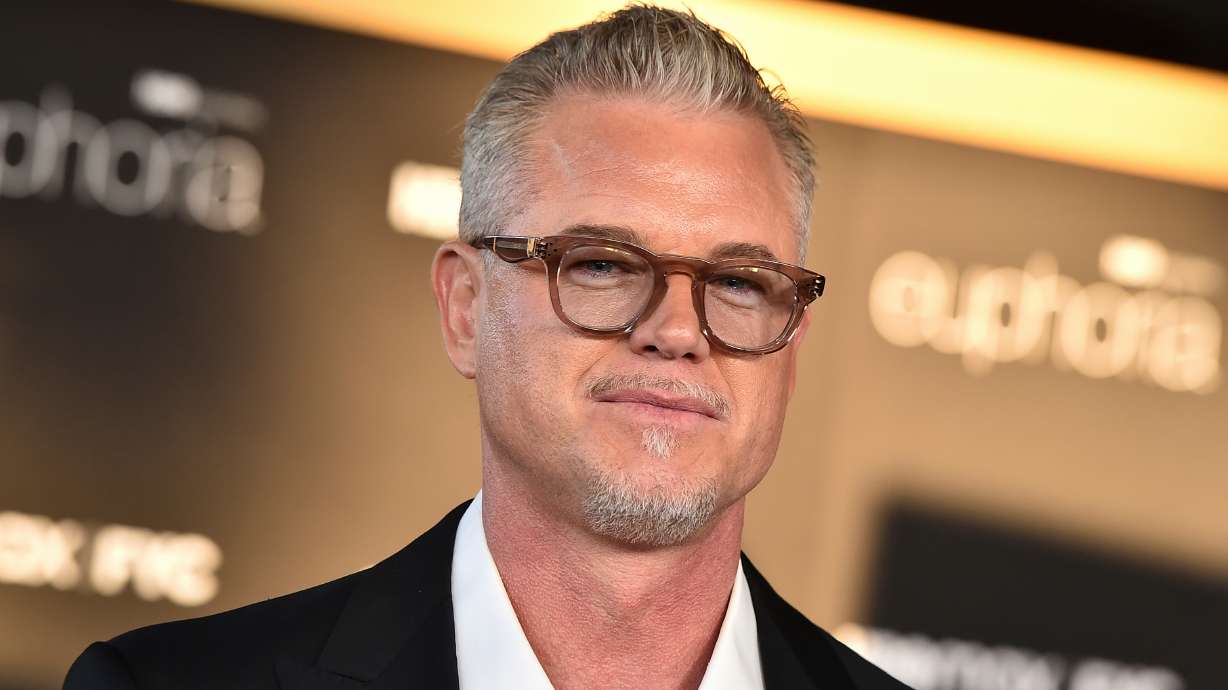
Yet his career extended far beyond a single role. He demonstrated a willingness to take on different genres, moving into action-driven television with The Last Ship, where he portrayed a naval officer navigating a global crisis. The role showcased a different dimension of his acting: disciplined, authoritative, and rooted in leadership. It proved that his appeal wasn’t limited to romantic or interpersonal drama—he could carry a series built on high stakes and large-scale storytelling.
In later years, he found renewed relevance with younger audiences through his role in Euphoria. There, he embraced a darker, more complex character, one that explored the unsettling realities of power, identity, and self-destruction. The performance was a reminder that he remained willing to challenge himself artistically, stepping into uncomfortable emotional territory in order to bring authenticity to his roles. For many critics, it reaffirmed his ability to stay current in an industry that often moves on quickly.
Beyond his professional achievements, his legacy is also tied to his openness about personal struggles. Over the years, he spoke candidly about issues such as mental health and addiction—subjects that remain stigmatized despite growing awareness. His willingness to address these challenges publicly added a layer of depth to his public persona. It allowed fans to see not just the characters he portrayed, but the person behind them: someone who understood hardship, sought help, and continued forward.
Colleagues frequently described him as collaborative and deeply committed to his craft. On set, he was known for bringing focus and professionalism, while also maintaining a sense of humor that eased long shooting days. Younger actors who worked alongside him often noted how generous he was with guidance, offering advice without ego. That combination of experience and humility is part of what made him respected across generations within the industry.
His film work, while sometimes overshadowed by his television presence, also contributed to his overall artistic footprint. He appeared in a variety of projects that allowed him to experiment with tone and scale—from ensemble comedies to dramatic features. Even in smaller roles, he carried a screen presence that made his characters memorable, reinforcing the sense that he was an actor capable of elevating material through performance alone.
The measure of his legacy is perhaps best understood through the reaction of audiences. Social media and fan communities have filled with tributes not just to specific characters, but to the feeling he brought to those roles. Viewers recall where they were when they watched certain episodes, how particular storylines resonated, and how his performances helped them process their own emotions. That kind of connection—between actor and audience—is difficult to quantify but impossible to overlook.
His passing marks the end of a chapter for fans and colleagues alike, but his work remains accessible, continuing to introduce new audiences to his talent. In reruns, streaming libraries, and future rediscoveries, his performances will live on—quietly reminding viewers of the depth he brought to each role.
In an industry often driven by fleeting fame, his career stands as an example of durability and craft. And while the loss is deeply felt, the imprint he leaves behind ensures that his contributions to television and film will endure for years to come.

Emily Johnson is a critically acclaimed essayist and novelist known for her thought-provoking works centered on feminism, women’s rights, and modern relationships. Born and raised in Portland, Oregon, Emily grew up with a deep love of books, often spending her afternoons at her local library. She went on to study literature and gender studies at UCLA, where she became deeply involved in activism and began publishing essays in campus journals. Her debut essay collection, Voices Unbound, struck a chord with readers nationwide for its fearless exploration of gender dynamics, identity, and the challenges faced by women in contemporary society. Emily later transitioned into fiction, writing novels that balance compelling storytelling with social commentary. Her protagonists are often strong, multidimensional women navigating love, ambition, and the struggles of everyday life, making her a favorite among readers who crave authentic, relatable narratives. Critics praise her ability to merge personal intimacy with universal themes. Off the page, Emily is an advocate for women in publishing, leading workshops that encourage young female writers to embrace their voices. She lives in Seattle with her partner and two rescue cats, where she continues to write, teach, and inspire a new generation of storytellers.