


A sweeping U.S.-led initiative aimed at ending the Gaza conflict and rebuilding the war-torn territory is drawing intense global attention—along with growing skepticism—after the Vatican declined to take part in the effort. The proposal, centered on a newly formed “Board of Peace,” is being positioned by Donald Trump as a bold diplomatic mechanism to stabilize Gaza and usher in a new phase of governance and reconstruction following years of violence.
The initiative, developed over several months, is built around a 20-page framework that outlines governance, reconstruction, and security arrangements for Gaza once hostilities subside. According to officials familiar with the plan, the Board of Peace would function as a centralized body tasked with coordinating financial resources, managing reconstruction contracts, overseeing humanitarian aid distribution, and helping build a new administrative structure capable of maintaining stability.
The proposal was drafted in collaboration with several regional and international partners, including Qatar, Egypt, Saudi Arabia, the United Arab Emirates, Turkey, Pakistan, and Indonesia. It has also reportedly received conceptual backing from the United Nations, although the structure itself is not formally a UN body. That distinction has become one of the central points of controversy surrounding the initiative.
The plan envisions a multi-layered governance system. At the top sits the Board of Peace, chaired by Trump and composed of senior political leaders, diplomats, and economic advisors. Beneath it would be an executive structure responsible for day-to-day decision-making in Gaza, including infrastructure development, security coordination, and economic revitalization projects designed to reduce dependence on external aid over time.
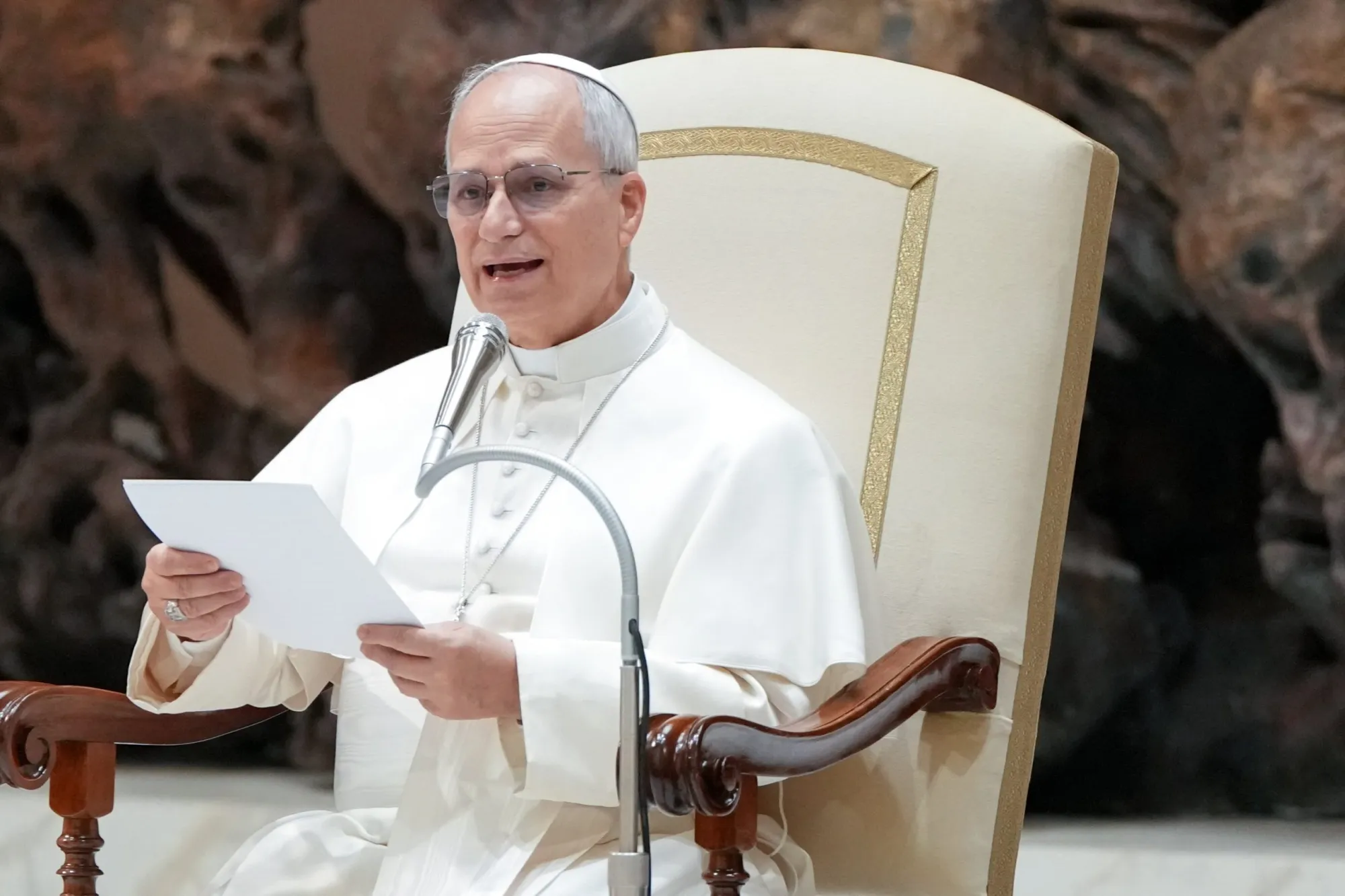
Despite the ambitious scope of the proposal, it encountered immediate resistance from the Vatican. Senior officials confirmed that Pope Leo XIV declined an invitation to join the Board, effectively signaling the Holy See’s unwillingness to endorse the structure as it is currently designed.
The Vatican’s secretary of state, Cardinal Pietro Parolin, made the Holy See’s position clear in remarks to reporters, arguing that global crises should be managed through established multilateral institutions rather than a body led by a single nation. He emphasized that the United Nations remains the appropriate forum for coordinating international responses to conflicts such as Gaza.
That position reflects long-standing Vatican diplomatic doctrine, which favors multilateralism and neutrality in global conflict resolution. Vatican officials are said to be concerned that a U.S.-led board—even one involving dozens of countries—could be perceived as lacking impartiality, particularly in a region where political sensitivities run deep.
The Board of Peace itself is structured to include a range of high-profile figures. Among those listed are U.S. Secretary of State Marco Rubio, U.S. special envoy Steve Witkoff, former British Prime Minister Tony Blair, Apollo Global Management CEO Marc Rowan, World Bank Group President Ajay Banga, U.S. Deputy National Security Adviser Robert Gabriel Jr., and Trump adviser Jared Kushner.
Supporters of the initiative argue that assembling such a mix of political leadership and financial expertise is necessary to tackle the scale of reconstruction Gaza requires. Estimates for rebuilding the territory’s infrastructure, housing, and public services run into the tens of billions of dollars, making international investment and coordination essential.
However, critics have raised concerns about the composition of the board and the potential involvement of controversial global leaders. Reports have indicated that invitations or outreach have been made to figures such as Vladimir Putin and Benjamin Netanyahu, both of whom are deeply entangled in ongoing geopolitical conflicts. Their potential association with the initiative has fueled debate about whether the board can truly function as a neutral peace-building entity.
At the same time, some countries have already agreed to participate. Armenia, Egypt, and the United Arab Emirates have formally joined the framework, signaling cautious support for the U.S.-led approach. Other nations are reportedly evaluating the proposal, weighing the benefits of rapid reconstruction assistance against the political implications of aligning with a U.S.-chaired structure.
Trump has framed the Board of Peace as a historic opportunity to reshape the region’s future. In public statements, he has described it as potentially “the most consequential international body in history,” arguing that it could succeed where previous diplomatic efforts have stalled. Early pledges of approximately $5 million have been secured, though significantly larger financial commitments will be required to bring the reconstruction vision to life.
The broader debate surrounding the initiative highlights a fundamental divide in international diplomacy. On one side are those who believe that a powerful, centralized structure led by a major global actor can act quickly and decisively in crisis situations. On the other are those who argue that legitimacy, neutrality, and long-term stability depend on multilateral governance through institutions like the United Nations.
For the Vatican, the decision to decline participation appears rooted not only in procedural concerns but also in philosophical ones. The Holy See has historically sought to position itself as a moral mediator in global conflicts, and aligning with a single-nation-led initiative could complicate that role.
As discussions continue, the success of the Board of Peace will likely hinge on whether it can expand its coalition, secure substantial funding, and demonstrate that it can operate in a way that balances efficiency with fairness. Without broad international buy-in, the initiative risks being viewed as politically motivated rather than universally legitimate.
For now, the refusal by Pope Leo XIV has become one of the most symbolic moments in the rollout of the Gaza plan—underscoring the challenges that arise when geopolitics, humanitarian concerns, and competing visions of global governance intersect.
Whether the Board of Peace evolves into a transformative mechanism for rebuilding Gaza or remains a controversial diplomatic experiment will depend on the decisions made in the coming months by governments, international organizations, and key stakeholders across the region and beyond.

Emily Johnson is a critically acclaimed essayist and novelist known for her thought-provoking works centered on feminism, women’s rights, and modern relationships. Born and raised in Portland, Oregon, Emily grew up with a deep love of books, often spending her afternoons at her local library. She went on to study literature and gender studies at UCLA, where she became deeply involved in activism and began publishing essays in campus journals. Her debut essay collection, Voices Unbound, struck a chord with readers nationwide for its fearless exploration of gender dynamics, identity, and the challenges faced by women in contemporary society. Emily later transitioned into fiction, writing novels that balance compelling storytelling with social commentary. Her protagonists are often strong, multidimensional women navigating love, ambition, and the struggles of everyday life, making her a favorite among readers who crave authentic, relatable narratives. Critics praise her ability to merge personal intimacy with universal themes. Off the page, Emily is an advocate for women in publishing, leading workshops that encourage young female writers to embrace their voices. She lives in Seattle with her partner and two rescue cats, where she continues to write, teach, and inspire a new generation of storytellers.