


Newly released federal documents have renewed scrutiny of a 2006 phone call between former President Donald Trump and Palm Beach Police Chief Michael Reiter concerning financier Jeffrey Epstein.
The material, unsealed as part of a broader release of records by the United States Department of Justice, includes a 2019 FBI interview summary with Reiter. The interview was conducted years after Epstein’s arrest and death and provides additional detail about the early stages of the Palm Beach investigation that ultimately led to Epstein’s controversial plea agreement in 2008.
According to the FBI summary, Trump contacted Reiter in July 2006, shortly after news broke that Epstein had been indicted on a charge of solicitation of prostitution. The indictment followed a Palm Beach police investigation that began in March 2005, when a 14-year-old girl reported being molested at Epstein’s residence.
Reiter told federal investigators that Trump expressed relief upon learning that authorities were taking action. As recounted in the interview notes, Trump stated words to the effect of, “Thank goodness you’re stopping him, everyone has known he’s been doing this.” The FBI summary indicates that Trump did not provide new evidence during the call but was among the earliest individuals to contact the police chief once the investigation became public knowledge.
The newly released document also states that Trump described Epstein associate Ghislaine Maxwell as “evil” and urged authorities to focus on her role. Maxwell is currently serving a 20-year federal prison sentence following her conviction on sex trafficking-related charges. According to the FBI notes, Trump referred to her as Epstein’s “operative” during the conversation with Reiter.
In addition, the interview summary recounts Trump mentioning a prior instance in which he had been in Epstein’s presence when teenage girls were present and left immediately, stating he “got the hell out of there.” The document does not elaborate on the specific timing or circumstances of that encounter but records it as part of Trump’s comments during the 2006 call.
The release of the FBI summary is tied to the Epstein Files Transparency Act, legislation mandating the declassification of certain federal records related to Epstein. The law was signed earlier this year following bipartisan support in Congress, including advocacy from Rep. Ro Khanna and Rep. Thomas Massie. The act required federal agencies to review and release non-classified materials connected to Epstein’s criminal investigations.
https://twitter.com/alx/status/2021036871531327685
Beginning in December 2025, the Justice Department initiated the phased release of millions of pages of documents. The materials include emails, investigative summaries, photographs, and various allegations collected during federal and local probes. Some documents contain unverified claims, while others provide procedural details about investigative steps taken between 2005 and 2019.
Reiter’s 2019 FBI interview was included in what officials categorized as “Dataset 9,” a grouping of materials focused on early investigative activity in Palm Beach between 2005 and 2008. That period culminated in Epstein’s widely criticized plea deal with federal prosecutors, which allowed him to serve a relatively short jail sentence and avoid more severe federal charges at the time.
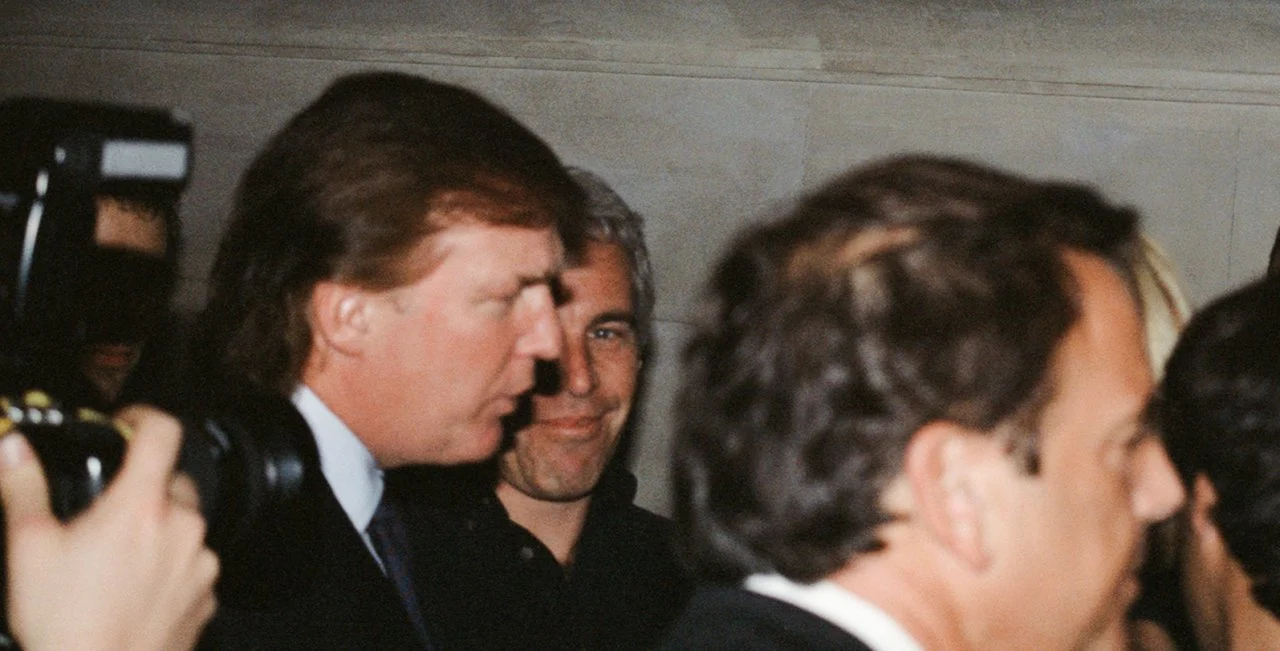
The unsealed summary adds new context to the relationship between Trump and Epstein, who were known to have moved in overlapping social circles in the 1990s and early 2000s. Publicly available photographs and media reports from that era documented their appearances at social events in Palm Beach and New York. However, accounts indicate that their relationship deteriorated by the mid-2000s.
According to prior reporting and court records, tensions reportedly emerged between the two men around 2004. In 2007, Epstein was barred from Trump’s Mar-a-Lago club in Palm Beach. Accounts of the ban suggest it followed allegations of inappropriate conduct involving minors at the property.
Specifically, reports at the time described an incident in which Epstein allegedly approached an 18-year-old spa employee at Mar-a-Lago and later engaged in conduct that prompted complaints from the family of a teenage club member. According to those accounts, the girl’s father raised concerns directly with Trump, who then revoked Epstein’s membership and access to the property.
The newly unsealed FBI interview does not provide additional documentation regarding the Mar-a-Lago incident but references the broader deterioration of relations between the two men. By the time of Epstein’s 2006 indictment, their social association had reportedly ended.
In later years, Epstein himself expressed hostility toward Trump in communications that surfaced during federal investigations. Emails and recorded conversations from 2017 through 2019 captured Epstein criticizing Trump in harsh terms, calling him a “horrible human being” and “evil beyond belief.” Some communications indicated that Epstein discussed political strategies aimed at damaging Trump during congressional proceedings.
Epstein died in federal custody in 2019 while awaiting trial on sex trafficking charges, an event that prompted extensive public scrutiny and multiple investigations. His death was officially ruled a suicide, though it fueled widespread debate and conspiracy theories about the circumstances surrounding his detention.
The release of the 2019 FBI interview with Reiter adds another piece to the complex timeline of interactions among law enforcement officials, Epstein, and individuals within his social orbit. While the document records Trump’s 2006 call as supportive of police efforts, it does not suggest that Trump provided substantive investigative leads or evidence at that time.
Legal analysts note that the significance of the call lies primarily in its timing and content. It demonstrates that Trump contacted local law enforcement shortly after Epstein’s indictment became public and expressed approval of the investigation’s direction. However, the document does not indicate that Trump had direct knowledge of specific criminal acts beyond what was circulating publicly.
The broader document release effort continues, with additional batches expected as agencies complete their reviews under the transparency law. Justice Department officials have stated that materials are being vetted to protect victim identities and sensitive personal information before publication.
For observers of the Epstein case, the unsealed interview contributes to an evolving understanding of the network of individuals connected to Epstein during the years preceding his conviction. It also highlights the role of local law enforcement in initiating the original 2005 investigation that ultimately brought his conduct into the national spotlight.
As the Justice Department continues to release documents under the Epstein Files Transparency Act, further insights into investigative decisions, witness statements, and interagency communications may emerge. For now, the 2006 phone call described in the FBI summary underscores the complexity of relationships surrounding one of the most scrutinized criminal cases of the past two decades.

Emily Johnson is a critically acclaimed essayist and novelist known for her thought-provoking works centered on feminism, women’s rights, and modern relationships. Born and raised in Portland, Oregon, Emily grew up with a deep love of books, often spending her afternoons at her local library. She went on to study literature and gender studies at UCLA, where she became deeply involved in activism and began publishing essays in campus journals. Her debut essay collection, Voices Unbound, struck a chord with readers nationwide for its fearless exploration of gender dynamics, identity, and the challenges faced by women in contemporary society. Emily later transitioned into fiction, writing novels that balance compelling storytelling with social commentary. Her protagonists are often strong, multidimensional women navigating love, ambition, and the struggles of everyday life, making her a favorite among readers who crave authentic, relatable narratives. Critics praise her ability to merge personal intimacy with universal themes. Off the page, Emily is an advocate for women in publishing, leading workshops that encourage young female writers to embrace their voices. She lives in Seattle with her partner and two rescue cats, where she continues to write, teach, and inspire a new generation of storytellers.