Ocasio-Cortez Talks Presidential Speculation During Appearance at Munich Security Conference
on
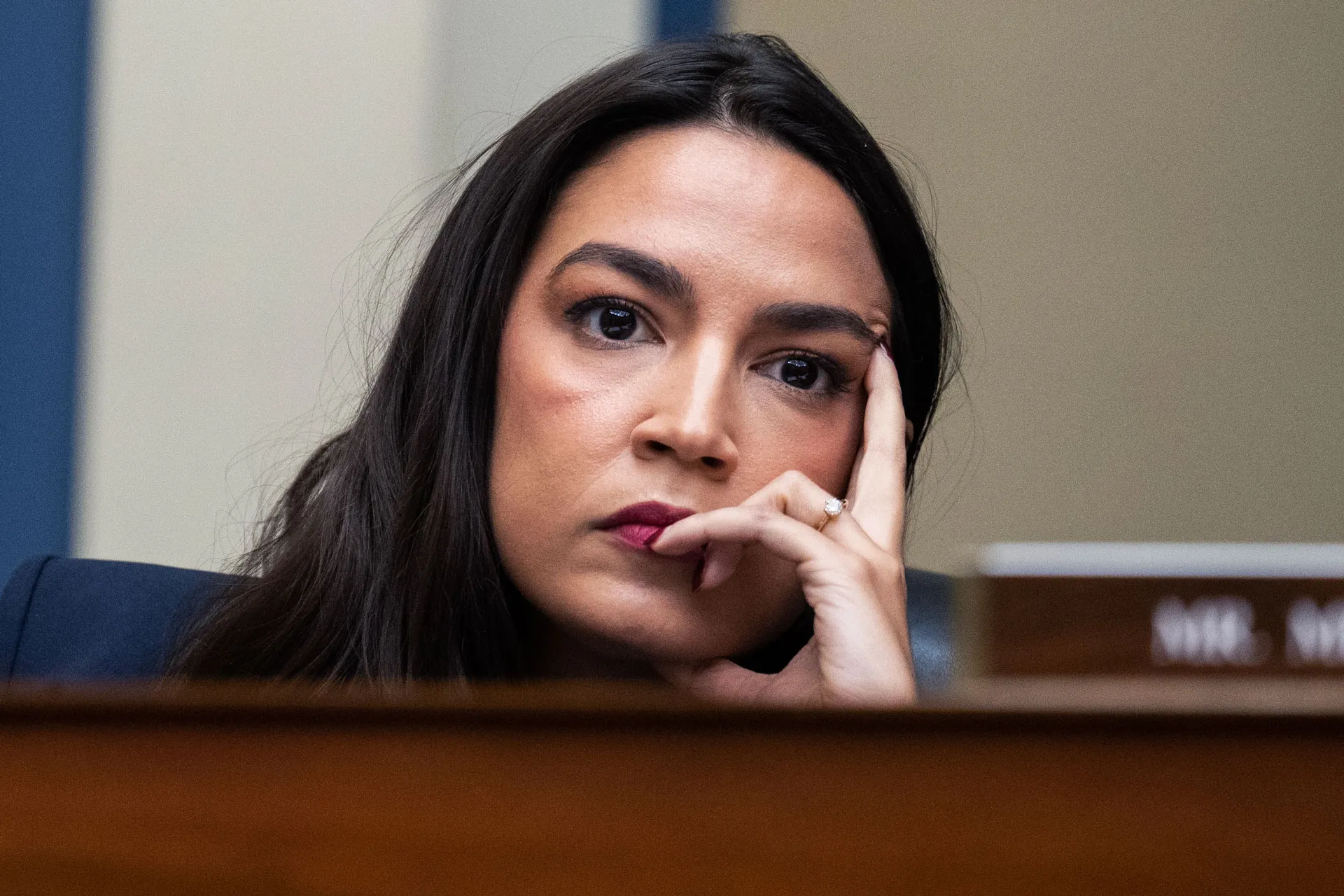
U.S. Rep. Alexandria Ocasio-Cortez (D-N.Y.) sidestepped a lighthearted question about a potential future presidential campaign while appearing at the Munich Security Conference on Friday, declining to entertain speculation about national ambitions as she focused instead on foreign policy and democratic stability.
The exchange occurred during a public discussion in Munich, where the New York congresswoman was participating in conversations centered on transatlantic cooperation, democratic resilience, and global security challenges. At one point, a moderator posed a joking question about when she might consider running for president — a nod to her rising profile within the Democratic Party and her growing international recognition.
Ocasio-Cortez smiled but did not engage directly with the premise. Rather than speculate about electoral plans, she redirected the discussion toward the substance of the conference, emphasizing the urgency of strengthening democratic institutions and reinforcing alliances among Western nations. Observers in attendance described the moment as brief but notable, particularly given ongoing media attention surrounding her political future.
The Munich Security Conference, long regarded as one of the world’s premier forums on international security policy, regularly draws heads of state, cabinet officials, lawmakers, and policy experts. Ocasio-Cortez’s presence at the event reflects her expanding role in foreign policy discussions — an area traditionally dominated by more senior members of Congress.
Since her election to the United States House of Representatives in 2018, Ocasio-Cortez has become one of the most recognizable figures in American politics. Initially known for her outspoken advocacy on domestic issues such as climate change, income inequality, and health care, she has increasingly broadened her portfolio to include global affairs, particularly issues related to human rights and democratic governance.
While Friday’s exchange was framed humorously, speculation about her long-term political trajectory has circulated for years. At 35, Ocasio-Cortez remains one of the youngest members of Congress, and her national fundraising reach and social media presence have fueled questions about her future ambitions. Still, she has consistently maintained that her focus remains on legislative work and constituent service.
During her remarks in Munich, Ocasio-Cortez emphasized the importance of international collaboration at a time of mounting geopolitical tension. She spoke about the need for sustained commitment to democratic norms, warning that democratic backsliding in one country can have ripple effects globally. While she did not reference U.S. electoral politics directly, her comments underscored themes that have defined much of her public messaging: institutional accountability, civic participation, and the defense of democratic values.
Attendees noted that her decision to deflect the presidential question aligned with the tone of the event, which prioritizes policy depth over campaign-style rhetoric. The Munich conference typically serves as a platform for substantive engagement on issues ranging from military alliances to cyber security and global economic stability. Political theater, though not absent, tends to be secondary to policy discussion.
Ocasio-Cortez’s participation also reflects a broader trend of younger lawmakers seeking a more active voice in foreign policy debates. In recent years, members of Congress from both parties have sought to assert greater oversight over executive branch decisions related to military engagement and international agreements. Her appearance signaled that she is positioning herself within that evolving conversation.
Despite repeated media inquiries over the years about a potential presidential run, Ocasio-Cortez has consistently refrained from signaling concrete plans. In prior interviews, she has described herself as focused on the immediate legislative horizon rather than long-term electoral calculations. Friday’s exchange appeared consistent with that pattern.
Political analysts note that early speculation about presidential ambitions often follows high-profile appearances on international stages. The Munich Security Conference, given its stature, provides exposure to global leaders and international media outlets. However, such visibility does not necessarily translate into active campaign planning.
For Democrats, the broader question of future leadership remains open-ended. While several nationally known figures are often mentioned in conversations about upcoming presidential cycles, party dynamics can shift rapidly. Ocasio-Cortez’s influence within progressive circles is well established, but she also occupies a complex space within the broader Democratic coalition, balancing grassroots activism with institutional engagement.
Her approach in Munich may have been strategic. By declining to engage in electoral speculation, she avoided overshadowing the substance of her policy remarks. In a setting dedicated to global security, a pivot to campaign talk could have risked trivializing the forum’s purpose.
The moment also illustrated the challenges faced by high-profile lawmakers whose national recognition invites constant questions about higher office. For many, particularly those with strong fundraising networks and a large public platform, speculation becomes a recurring feature of their political careers. Managing that attention without allowing it to dominate policy work requires careful calibration.
In Munich, Ocasio-Cortez appeared intent on maintaining that balance. Rather than expanding on the presidential question, she returned quickly to themes of alliance-building and democratic accountability. Observers described her tone as measured and deliberate, focused on reinforcing shared commitments among democratic nations.
Her remarks come at a time when transatlantic relations are under renewed scrutiny amid shifting global power dynamics. Discussions at the conference reportedly addressed challenges posed by authoritarian governments, economic instability, and technological threats to democratic processes. Ocasio-Cortez framed these issues as interconnected, arguing that domestic democratic health directly affects international credibility.
Although the presidential speculation was brief, it underscores the degree to which Ocasio-Cortez has become a fixture in national political discourse. Few lawmakers of her tenure command comparable attention on both domestic and international stages.
Whether such attention ultimately translates into future candidacy remains uncertain. For now, her public posture suggests a preference for policy engagement over electoral positioning. As she continues to expand her involvement in global forums, questions about her trajectory are likely to persist.
In the immediate term, however, Ocasio-Cortez’s focus appears firmly rooted in legislative responsibilities and policy advocacy. Her appearance at the Munich Security Conference signals an effort to contribute to international dialogue at a moment of heightened geopolitical strain, while her deflection of presidential talk reflects an unwillingness — at least for now — to shift the conversation toward personal political ambition.
The brief exchange in Munich may generate headlines, but it is her policy remarks that will likely shape her standing among colleagues and constituents alike. In a political environment often dominated by speculation, her response served as a reminder that not every question warrants a campaign-style answer.
Emily Johnson is a critically acclaimed essayist and novelist known for her thought-provoking works centered on feminism, women’s rights, and modern relationships. Born and raised in Portland, Oregon, Emily grew up with a deep love of books, often spending her afternoons at her local library. She went on to study literature and gender studies at UCLA, where she became deeply involved in activism and began publishing essays in campus journals. Her debut essay collection, Voices Unbound, struck a chord with readers nationwide for its fearless exploration of gender dynamics, identity, and the challenges faced by women in contemporary society. Emily later transitioned into fiction, writing novels that balance compelling storytelling with social commentary. Her protagonists are often strong, multidimensional women navigating love, ambition, and the struggles of everyday life, making her a favorite among readers who crave authentic, relatable narratives. Critics praise her ability to merge personal intimacy with universal themes. Off the page, Emily is an advocate for women in publishing, leading workshops that encourage young female writers to embrace their voices. She lives in Seattle with her partner and two rescue cats, where she continues to write, teach, and inspire a new generation of storytellers.