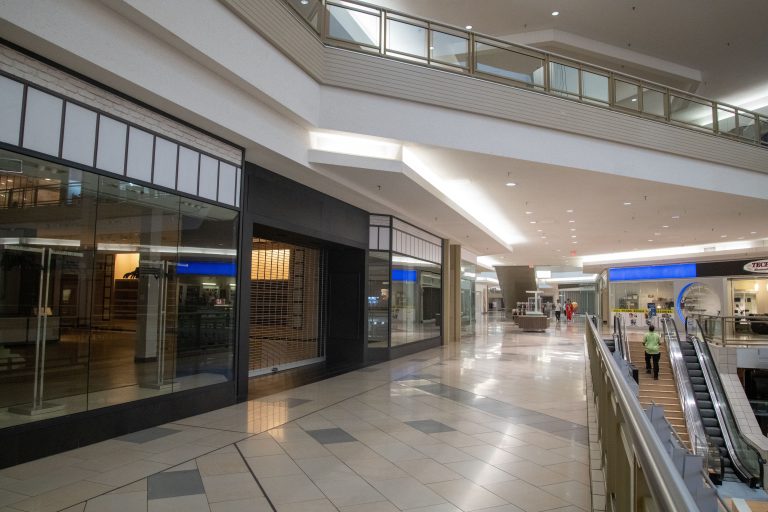




A long-standing name in outdoor and casual apparel has moved to the brink of a dramatic reshaping of its business, as its North American retail operations filed for bankruptcy protection this week. The move marks a somber moment in the ongoing retail sector upheaval, where once-thriving stores face shrinking foot traffic, rising costs, and a shift toward online shopping that has undercut traditional store formats.
The retail unit at the heart of this latest case filed for Chapter 11 bankruptcy protection in a federal court in New Jersey. The filing comes after months of mounting financial pressure brought on by declining sales, inflationary headwinds and persistent supply chain challenges that have hit apparel retailers especially hard. Lenders and stakeholders have agreed to support a restructuring plan that will allow the stores to continue operating while the company seeks a buyer or reorganizes its assets.
In public filings and press statements, officials referred generally to the company’s efforts to realign with contemporary consumer shopping habits — a mix of e-commerce, wholesale distribution and selective brick-and-mortar presence — but they have been candid about the difficulties that have beset the North American physical store network. Retail analysts say the saga reflects a broader trend in the U.S. and Canadian retail landscape, where traditional store footprints are being reevaluated in favor of digital and omnichannel strategies.
At the center of this developing story is Eddie Bauer LLC, the operator of about 180 retail and outlet locations across the United States and Canada. The company’s bankruptcy filing does not include all global operations of the brand — international stores, e-commerce platforms and wholesale arms are operated under separate licenses and are not affected by this particular restructuring process.
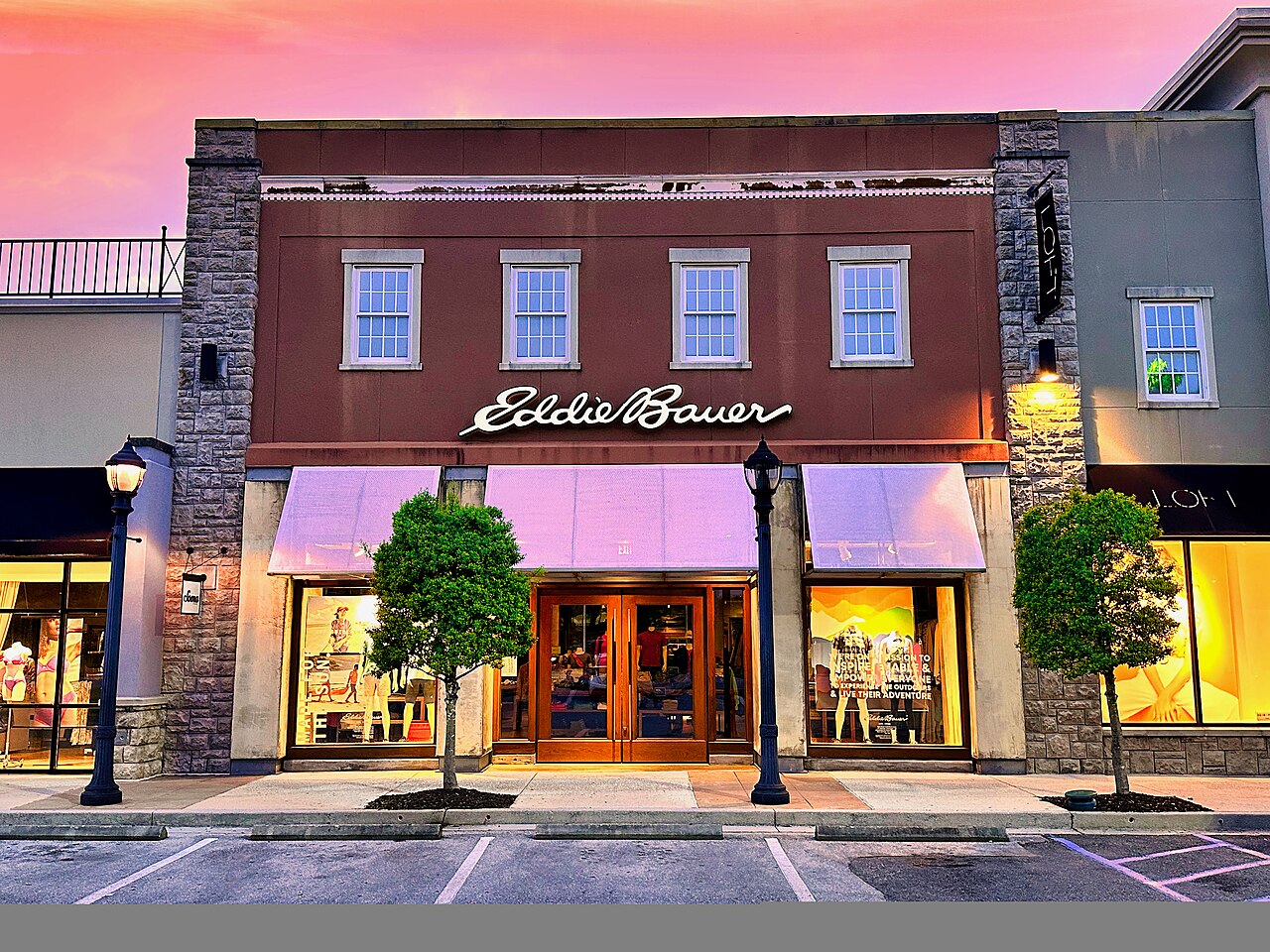
For decades, the brand has been synonymous with rugged outerwear and outdoor gear. Founded in 1920 in Seattle, it grew from a single fishing shop into a retail presence that once boasted hundreds of storefronts across North America. Iconic down jackets, practical field gear and a reputation for outfitting adventurers helped establish the company’s cachet in outdoor and casual wear markets.
But in recent years, that legacy has been challenged by intense competition from both online-first brands and other outdoor specialists. Despite efforts to modernize product lines and marketing initiatives, the North American retail division was unable to sustain profitability. In its bankruptcy filing, the company reported liabilities in the billions and noted that long-term debt had outpaced revenues as customer foot traffic declined.
The Chapter 11 filing represents the third time the company’s retail operations have sought bankruptcy protection in its more than 100-year history. Previous bankruptcies occurred in the 2000s, after broader economic downturns, but this latest filing underscores structural shifts in how consumers buy clothing and outdoor gear.
One of the most visible consequences of the bankruptcy is the initiation of liquidation and wind-down sales at the roughly 180 stores in the United States and Canada. Many of these locations are already offering steep discounts as they begin to clear inventory. While the stores remain open during the court-supervised sales process, the long-term outlook for these physical outlets is uncertain. If no buyer emerges by the court’s deadline, many — if not all — could close permanently by mid-2026.
For employees and shoppers, the news has been a mixture of pragmatism and nostalgia. Workers at some locations have begun to receive notices about potential layoffs or store closures, contributing to heightened anxiety about job security. Community members and loyal customers have expressed both disappointment and understanding, acknowledging that broader shifts in the industry have made the traditional retail model increasingly difficult to sustain.
A key factor frequently cited by company officials has been the accumulation of financial pressure over several years. Rising costs due to inflation, tariff uncertainty, and supply chain bottlenecks squeezed margins, while digital competitors continued to siphon sales from physical stores. The company’s headquarters in Seattle will also be shuttered as part of the restructuring, with dozens of corporate positions eliminated as the operation scales back its physical footprint.
Industry observers note that the bankruptcy is not occurring in isolation. In recent months, other well-known retailers — from luxury department store chains to outlet apparel brands — have also filed for bankruptcy or announced major downsizing plans. This wave of restructuring underscores the intense pressure that mid-tier brick-and-mortar retailers face amid evolving consumer habits and economic headwinds.
Analysts also point to the strategic decisions made by the company’s parent and licensing partners that may have contributed to the situation. Ownership and operational control over e-commerce, wholesale and international markets have shifted in recent years, leaving the licensed retail operator with a disproportionate share of the risk associated with physical stores. This separation of channels insulated some parts of the business from immediate fallout but also isolated the retail segment in a challenging environment.
For customers, the bankruptcy means a period of uncertainty but also opportunity. Many stores are conducting liquidation sales with significant discounts — appealing to shoppers looking for deals on outdoor gear and clothing. At the same time, policies around returns, gift cards and loyalty programs could change depending on how the bankruptcy process unfolds and whether a sale of the retail operations is completed.
There is also a broader question about how the landscape for legacy brands will evolve. Some observers believe that the bankruptcy and potential closures could open space for new players or alternative retail models. Others see it as part of a natural ebb and flow in an industry where staying attuned to consumer preferences — especially online — is increasingly critical for survival.
As the Chapter 11 process moves forward, stakeholders will be watching closely. Investors, lenders and potential buyers will assess whether parts of the business can be salvaged or reimagined under new ownership. Meanwhile, loyal customers and employees hope for outcomes that preserve the brand’s heritage in some form, even as its traditional retail presence contracts significantly.
Whether this restructuring ultimately leads to a successful turnaround or marks the end of an era for a century-old retail network, the bankruptcy filing is a stark reminder of how dramatically the retail industry has changed. For now, the focus remains on managing the wind-down and sales process while exploring all viable options to keep pieces of the business alive.

Emily Johnson is a critically acclaimed essayist and novelist known for her thought-provoking works centered on feminism, women’s rights, and modern relationships. Born and raised in Portland, Oregon, Emily grew up with a deep love of books, often spending her afternoons at her local library. She went on to study literature and gender studies at UCLA, where she became deeply involved in activism and began publishing essays in campus journals. Her debut essay collection, Voices Unbound, struck a chord with readers nationwide for its fearless exploration of gender dynamics, identity, and the challenges faced by women in contemporary society. Emily later transitioned into fiction, writing novels that balance compelling storytelling with social commentary. Her protagonists are often strong, multidimensional women navigating love, ambition, and the struggles of everyday life, making her a favorite among readers who crave authentic, relatable narratives. Critics praise her ability to merge personal intimacy with universal themes. Off the page, Emily is an advocate for women in publishing, leading workshops that encourage young female writers to embrace their voices. She lives in Seattle with her partner and two rescue cats, where she continues to write, teach, and inspire a new generation of storytellers.