



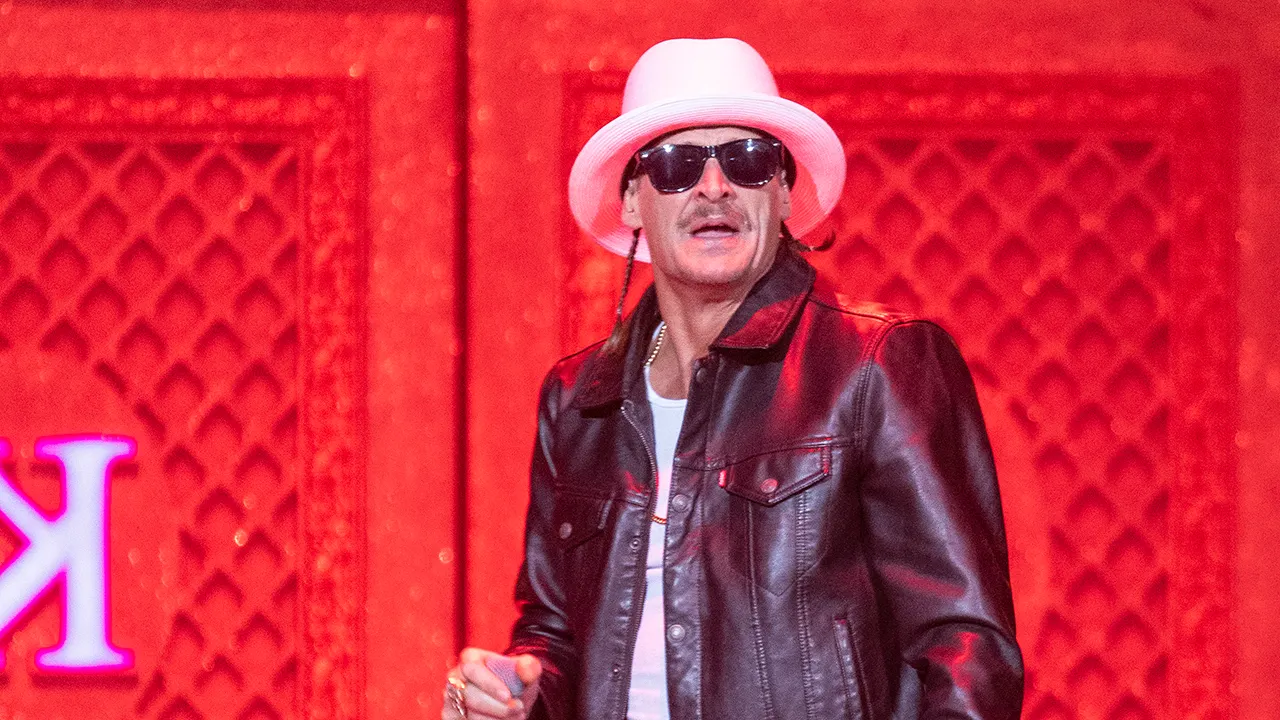
In a series of recent interviews, rapper and entertainer Kid Rock has reignited national conversations by offering his unfiltered perspective on the Super Bowl, pop culture, and broader societal trends. Known for his outspoken personality and strong alignment with conservative values, Kid Rock’s commentary has drawn both praise and criticism, illustrating the cultural divide in how Americans view entertainment, politics, and patriotism.
The conversation began when Kid Rock was asked about the Super Bowl halftime shows, which have grown into one of the most-watched television events in the world. While many observers focus on the musical production and celebrity collaborations, Kid Rock emphasized a more philosophical lens. “The Super Bowl is about America,” he said. “It’s about competition, pride, and teamwork. It’s not supposed to be some political message or lecture.”
This comment immediately sparked debate, as recent halftime performances have often featured overt political statements or social commentary. Kid Rock’s critique struck a chord with audiences who feel that the NFL and popular entertainment have increasingly pushed political narratives, often favoring progressive viewpoints. “I don’t mind artists having opinions,” Kid Rock clarified, “but when you’re using a national stage to push an agenda instead of celebrating the game and the country, that’s where people start to tune out.”
In comparing the modern Super Bowl experience to past decades, Kid Rock argued that the event has shifted away from its original spirit. He reminisced about earlier shows, noting the performances of artists who emphasized entertainment and spectacle rather than messaging. “Back in the day, it was all about putting on a great show, respecting the fans, and keeping the focus on the players,” he said. “Now it feels like the game is secondary, and the politics are front and center.”
The entertainer didn’t stop at cultural commentary. He drew explicit comparisons between the Super Bowl and broader American society, suggesting that a focus on performance over substance mirrors trends in other areas of public life. “When we start valuing style over skill, message over performance, we lose sight of what made America great,” Kid Rock said. “The halftime show is a microcosm of the country. People want to work hard, compete, and win, not just sit back and be lectured.”
Kid Rock’s comments have also been interpreted through a political lens. Known for supporting Republican candidates and causes, he has often positioned himself as a counterpoint to what he perceives as liberal dominance in media and entertainment. His Super Bowl statements, while framed in cultural terms, inevitably touch on these political themes. Conservative commentators and supporters have praised him for calling out what they see as ideological overreach in American entertainment.
Several Republican voices have echoed Kid Rock’s sentiments, arguing that the country needs more spaces that celebrate achievement and unity rather than division. “He’s speaking for a lot of Americans who feel the same way,” said one conservative commentator. “The Super Bowl is one of the few national stages that reaches everyone. It should be about what brings us together, not what separates us politically.”
At the same time, critics have accused Kid Rock of politicizing a sports discussion, claiming that his comments are intended to provoke his base rather than foster genuine debate. Some media outlets characterized his statements as part of a broader pattern of celebrity conservatism that seeks to push back against liberal cultural trends. Yet Kid Rock appears undeterred. “I’m just saying what I see,” he responded. “I grew up loving football, loving this country, and I want to see it celebrated, not used as a platform for a sermon.”
Beyond the Super Bowl itself, Kid Rock also spoke about how he believes Americans should approach entertainment in general. He emphasized personal responsibility and the importance of choice. “You can watch whatever you want,” he said. “If someone wants political messaging in every show, that’s fine. But don’t force it on everyone. Let people enjoy things the way they used to — with joy, with energy, and with respect for the audience.”
This philosophy aligns closely with the entertainer’s own career. Over the past two decades, Kid Rock has cultivated an image that blends rock, rap, and country influences while maintaining an independent persona. He has consistently resisted conforming to mainstream expectations, often courting controversy by expressing political opinions and unapologetically embracing his identity.
The Super Bowl commentary also touches on broader debates within American culture about patriotism, media, and public expression. Kid Rock frames his position as a defense of traditional American values, such as merit, competition, and celebration of achievement. “I just want people to appreciate what’s good about this country,” he said. “There’s enough room for everyone to have opinions, but don’t take away the joy of the game or the pride of accomplishment.”
His statements have garnered significant attention on social media platforms, with supporters applauding his candor and critics questioning his motives. On platforms like Truth Social and X, conservative voices celebrated his observations as a reflection of the frustrations many Americans feel with the direction of pop culture. Comments highlighted that the Super Bowl is a shared national experience that should unite rather than divide.
In interviews, Kid Rock also compared entertainment platforms like the Super Bowl to other forms of cultural influence, including Hollywood, music awards, and streaming media. He suggested that a shift toward politically driven content has led to disengagement among audiences who simply want enjoyment and inspiration. “People don’t tune in for lectures,” he said. “They tune in to be moved, entertained, and proud of what they see.”
While Kid Rock’s comments are unlikely to alter the structure of future halftime shows, they reflect a broader conservative perspective that resonates with millions of Americans. He encourages a return to what he calls “the basics” — competition, celebration, and entertainment that is universally accessible. In doing so, he taps into a larger conversation about cultural values, media influence, and the balance between artistic expression and audience expectation.
For Kid Rock, the Super Bowl is more than a game; it is symbolic of national priorities. His perspective suggests that national events should celebrate achievement and unity, rather than serve as platforms for political statements. This framing positions him as both a cultural commentator and a political figure, illustrating the increasingly intertwined nature of entertainment and ideology in modern America.
He concluded one interview with a clear call to action: “We need to remember what brings us together. We can have opinions, we can debate, but let’s not forget the simple things — football, music, pride, and joy. That’s what makes this country special.”
Ultimately, Kid Rock’s remarks about the Super Bowl reflect his consistent brand of candid commentary, blending cultural critique with political sentiment. Whether audiences agree or disagree, his statements have reignited national discussion about the role of entertainment, the influence of politics in public spaces, and the kind of content Americans want on the biggest stages.
As the next Super Bowl approaches, it is likely that his commentary will continue to be referenced, debated, and analyzed, especially among audiences attuned to the intersection of sports, culture, and politics. Kid Rock’s perspective offers a provocative, unapologetic voice in a conversation that spans entertainment, ideology, and national identity — highlighting the enduring tension between artistry, personal expression, and public expectation in America.

Emily Johnson is a critically acclaimed essayist and novelist known for her thought-provoking works centered on feminism, women’s rights, and modern relationships. Born and raised in Portland, Oregon, Emily grew up with a deep love of books, often spending her afternoons at her local library. She went on to study literature and gender studies at UCLA, where she became deeply involved in activism and began publishing essays in campus journals. Her debut essay collection, Voices Unbound, struck a chord with readers nationwide for its fearless exploration of gender dynamics, identity, and the challenges faced by women in contemporary society. Emily later transitioned into fiction, writing novels that balance compelling storytelling with social commentary. Her protagonists are often strong, multidimensional women navigating love, ambition, and the struggles of everyday life, making her a favorite among readers who crave authentic, relatable narratives. Critics praise her ability to merge personal intimacy with universal themes. Off the page, Emily is an advocate for women in publishing, leading workshops that encourage young female writers to embrace their voices. She lives in Seattle with her partner and two rescue cats, where she continues to write, teach, and inspire a new generation of storytellers.