



A Test of Party Unity and Federal Authority in the Fight Over Election Law
As the nation approaches another pivotal election cycle, a debate over the balance of power between Washington and the states has reemerged with renewed intensity. At the center of the controversy is a sweeping proposal designed to reshape how voter eligibility is verified in federal elections. Supporters describe the measure as a long-overdue safeguard to protect the integrity of the ballot box. Critics warn it represents an unnecessary federal intrusion into a system historically administered by the states.
The legislation, known as the Safeguard American Voter Eligibility Act, has already cleared the House of Representatives and is now awaiting consideration in the Senate. Its prospects, once seen as promising given unified Republican control of key levers of government, have grown more uncertain in recent days. A single voice of dissent within the Republican caucus has exposed underlying tensions about constitutional authority, timing, and political strategy.
The bill’s core provision would require individuals registering to vote in federal elections to provide documentary proof of U.S. citizenship. Acceptable forms of documentation would include a U.S. passport or birth certificate. The proposal amends the National Voter Registration Act of 1993 and directs states to verify citizenship in person before completing voter registration. It would also prohibit states from registering applicants for federal elections without such documentation.
Supporters argue that the measure is necessary to prevent noncitizens from participating in federal elections, asserting that clear and uniform standards are essential to maintaining public trust. They contend that while instances of noncitizen voting are relatively rare, even isolated cases can undermine confidence in electoral outcomes. By establishing a nationwide requirement, proponents believe the law would eliminate ambiguity and ensure consistent enforcement across all states.
In addition to requiring documentary proof of citizenship, the bill instructs states to create alternative procedures for applicants who lack standard documentation. These provisions are intended to address situations in which eligible voters may not have immediate access to passports or birth certificates. The legislation also strengthens voter list maintenance procedures, directing states to take additional steps to remove noncitizens from voter rolls.
If enacted, the measure would standardize citizenship verification for federal elections nationwide. However, it does not provide additional federal funding to assist states in implementing the new requirements. As a result, election administrators would be tasked with updating registration systems—potentially including online, mail-in, and drive-through processes—without new financial support from Washington.
This absence of funding has become a focal point in the debate. Election officials in several states have cautioned that implementing sweeping procedural changes so close to an election could strain already limited resources. Adjustments to registration systems often require technological upgrades, staff training, and public education campaigns, all of which can take months to complete effectively.
It is against this backdrop that Alaska’s senior senator, Lisa Murkowski, announced that she would not support the legislation. Her decision makes her the first Republican senator to publicly oppose the bill, complicating efforts by party leaders to present a unified front.

In a statement posted on social media, Murkowski framed her opposition as a matter of constitutional consistency. She recalled that in 2021, Republicans unanimously opposed a sweeping Democratic election reform proposal on the grounds that it would federalize elections. That earlier measure, the John Lewis Voting Rights Advancement Act, sought to expand automatic voter registration, increase early voting opportunities, and restrict certain election integrity provisions favored by Republicans.
According to Murkowski, the same principle applies now. The U.S. Constitution grants states the authority to regulate the “times, places, and manner” of holding federal elections. For her, this allocation of power is not merely theoretical but fundamental to the American system of governance. She argued that imposing a uniform, nationwide mandate from Washington risks overriding local considerations, particularly in geographically vast and logistically complex states such as Alaska.
The senator also emphasized the timing of the proposal. With Election Day approaching and states already deep into their preparation processes, she warned that introducing new federal requirements could disrupt ongoing planning efforts. Forcing election officials to adapt quickly to new rules without sufficient resources, she argued, might inadvertently weaken rather than strengthen election integrity.
“Ensuring public trust in our elections is at the core of our democracy,” Murkowski wrote, adding that federal overreach is not the appropriate means of achieving that goal.
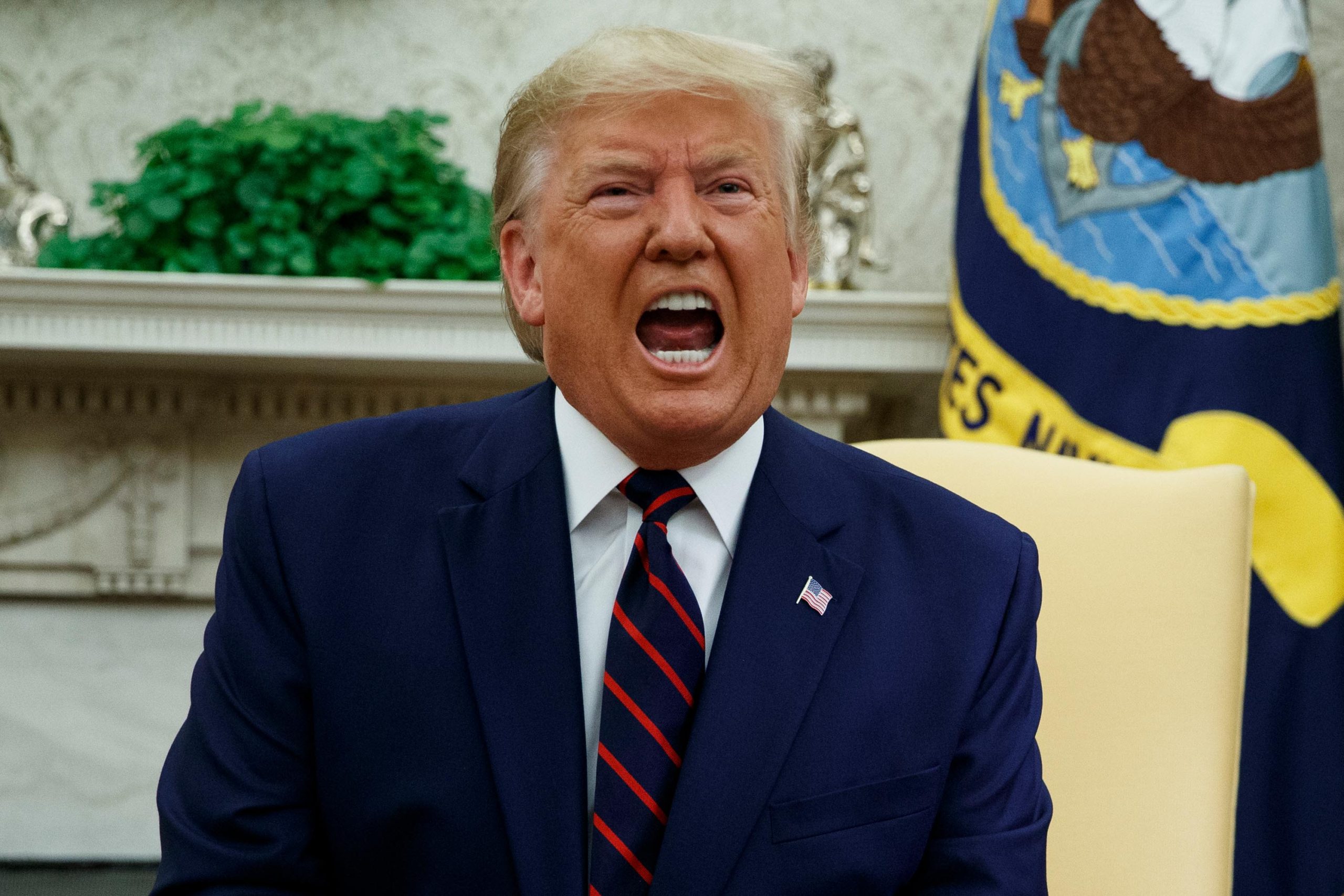
Her stance has drawn attention not only because it breaks with most of her Republican colleagues but also because of the broader political implications. The SAVE Act enjoys the backing of President Donald Trump and has been described by many GOP lawmakers as a key priority. Its passage in the House signaled strong support within the party’s base, and Senate leaders have been exploring procedural avenues to move it forward despite expected Democratic opposition.
Under normal Senate rules, most legislation requires 60 votes to overcome a filibuster and advance to a final vote. Given the chamber’s closely divided composition, reaching that threshold would likely require bipartisan support—an outcome that appears improbable.
To circumvent this obstacle, some Senate Republicans have floated the idea of reviving the “standing filibuster,” an older procedural mechanism that would require opponents to continuously hold the floor in order to block a bill. Unlike the modern filibuster, which allows senators to halt legislation without extended debate, the standing filibuster demands sustained physical presence and speech from those seeking to delay a vote.
If successfully employed, this tactic could enable the legislation to pass with a simple majority of 51 votes, potentially including the vice president’s tie-breaking vote. President Trump has urged Senate Republicans to pursue this approach, framing it as a necessary step to secure election integrity reforms.
However, the feasibility of this maneuver remains uncertain. Senate Majority Leader John Thune has expressed skepticism about whether there is sufficient time to execute such a strategy before the upcoming elections. Procedural battles in the Senate can consume significant floor time, and competing legislative priorities further complicate the calendar.
Compounding the challenge is the fact that not all Republican senators have publicly committed to supporting the bill. In addition to Murkowski’s declared opposition, several others have yet to announce their positions. Among them are prominent figures such as Mitch McConnell of Kentucky, Thom Tillis of North Carolina, and Bill Cassidy of Louisiana—lawmakers who have, at times, taken positions independent of the party’s most vocal factions.
The uncertainty surrounding these votes underscores the delicate balance within the Senate Republican caucus. While many members strongly favor stricter voter identification requirements, others remain wary of setting precedents that expand federal authority over elections. The tension reflects a longstanding philosophical divide within the party between those who prioritize uniform national standards and those who emphasize states’ rights.
As the debate unfolds, both sides frame their arguments in terms of safeguarding democracy. Supporters of the SAVE Act argue that verifying citizenship through documentary proof is a commonsense measure that enhances confidence in electoral outcomes. Opponents counter that abrupt federal mandates risk administrative disruption and could inadvertently disenfranchise eligible voters who face difficulties obtaining documentation.
The coming weeks will determine whether Republican leaders can marshal the votes and procedural tools necessary to advance the legislation. For now, the opposition of a single senator has introduced a note of uncertainty into what had appeared to be a straightforward party-line effort.
At stake is more than a single bill. The outcome will signal how far Congress is willing to go in redefining the federal role in election administration—and whether party unity can withstand internal disagreements over constitutional principle and political timing.

Emily Johnson is a critically acclaimed essayist and novelist known for her thought-provoking works centered on feminism, women’s rights, and modern relationships. Born and raised in Portland, Oregon, Emily grew up with a deep love of books, often spending her afternoons at her local library. She went on to study literature and gender studies at UCLA, where she became deeply involved in activism and began publishing essays in campus journals. Her debut essay collection, Voices Unbound, struck a chord with readers nationwide for its fearless exploration of gender dynamics, identity, and the challenges faced by women in contemporary society. Emily later transitioned into fiction, writing novels that balance compelling storytelling with social commentary. Her protagonists are often strong, multidimensional women navigating love, ambition, and the struggles of everyday life, making her a favorite among readers who crave authentic, relatable narratives. Critics praise her ability to merge personal intimacy with universal themes. Off the page, Emily is an advocate for women in publishing, leading workshops that encourage young female writers to embrace their voices. She lives in Seattle with her partner and two rescue cats, where she continues to write, teach, and inspire a new generation of storytellers.