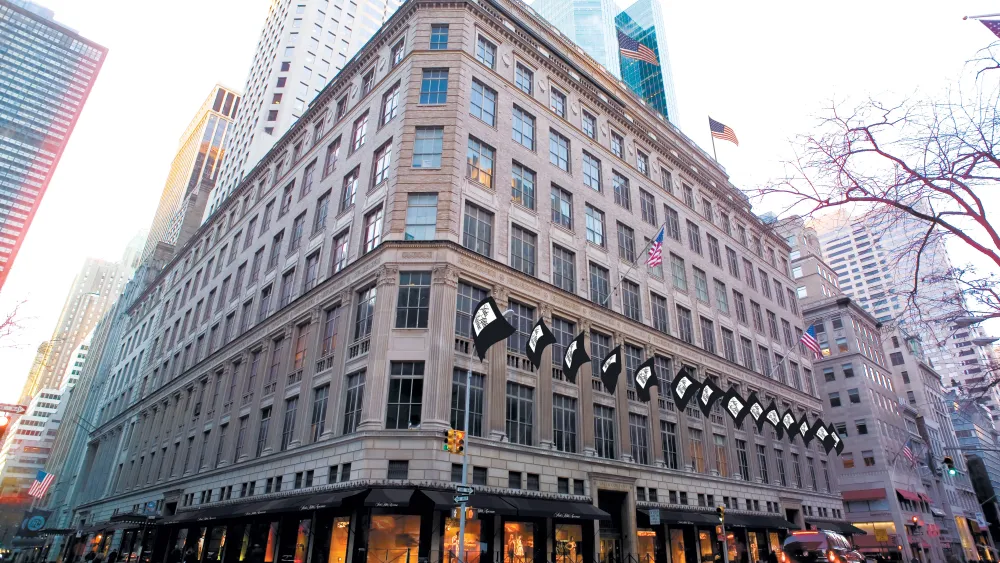
Luxury retail conglomerate Saks Global Enterprises LLC announced it will close nine full-line department stores across the United States as part of a broader restructuring strategy aimed at restoring profitability and positioning the company for long-term growth.
In a Feb. 10 statement, Saks said it will shutter eight Saks Fifth Avenue stores and one Neiman Marcus location. The Saks Fifth Avenue closures span Alabama, Arizona, Louisiana, New Jersey, Ohio, Oklahoma, Pennsylvania, and Virginia. The Neiman Marcus store scheduled to close is located in Massachusetts.
Saks acquired Neiman Marcus in 2024, consolidating two of the most recognizable names in American luxury retail under a single corporate structure.
First Phase of Restructuring
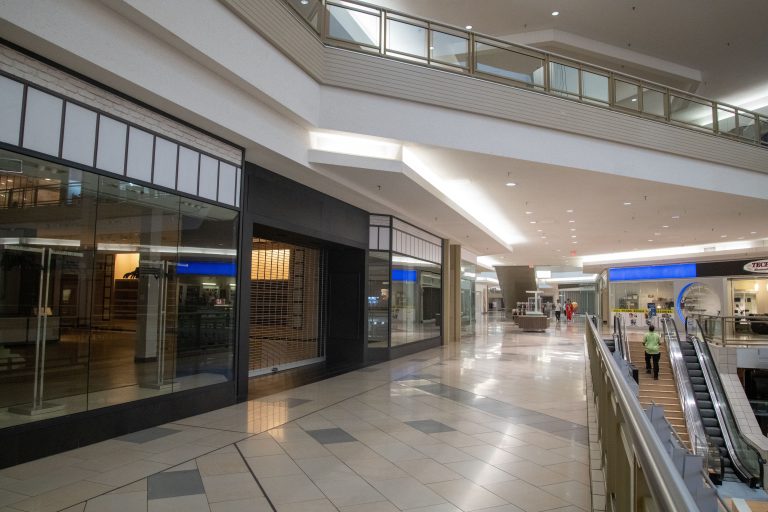
The company indicated that the affected stores are underperforming and lack sufficient growth potential. The closures represent the first phase of an ongoing portfolio review.
Saks Global currently operates 70 full-line luxury department stores. Reducing that footprint, executives say, will allow the company to redirect capital toward higher-performing locations and digital investments.
“We are initiating a series of actions to reinforce Saks Fifth Avenue, Neiman Marcus, and Bergdorf Goodman as the ultimate destinations for luxury with a seamless multi-channel shopping experience,” said CEO Geoffroy van Raemdonck.
Bergdorf Goodman, the high-end Manhattan-based retailer, is also part of the Saks Global portfolio.
Van Raemdonck said the consolidation will position the company to “make investments that enable long-term growth and value creation.”
Personal Styling Suites Cut Back
In addition to full-line store closures, Saks is winding down the majority of its Fifth Avenue Club personal styling suites. These off-mall locations were originally designed to serve markets without a nearby Saks department store.
However, following the Neiman Marcus acquisition, Saks now maintains physical retail presence in many of those same markets. Only three Fifth Avenue Club locations will remain open in areas identified as having meaningful growth potential.
Bankruptcy Filing and Financing
The store closures come roughly one month after Saks filed for Chapter 11 bankruptcy protection. The filing was designed to provide breathing room for debt restructuring while allowing the company to continue operating during the process.
Saks has secured $1.75 billion in financing commitments to support operations through restructuring. Upon court approval, the company expects to immediately access $1 billion in debtor-in-possession (DIP) financing.
A creditor meeting is scheduled for Feb. 23.
The bankruptcy process is intended to streamline operations, reduce liabilities, and refocus the business on core luxury brands positioned for sustainable growth.
Broader Store Shutdowns
The nine full-line closures are separate from additional planned reductions announced in late January.
Saks previously revealed plans to close most Saks Off 5th outlet stores—roughly 70 locations—as well as five remaining Last Call stores. Saks Off 5th operates as the company’s off-price division, selling discounted designer merchandise.
In total, nearly 60 stores across the country are expected to shut down, with a significant concentration in Florida, California, and Texas.
The sweeping downsizing signals a strategic retreat from lower-margin outlet formats and a renewed emphasis on curated, high-end retail experiences.
Part of a Larger Retail Shakeout
Saks Global is one of several major U.S. retailers that have filed for bankruptcy in recent months, reflecting ongoing structural challenges within the sector.
In November, home furnishings retailer American Signature Inc. filed for bankruptcy, citing “significantly decreased sales volume” over the previous year.
On Feb. 9, outdoor apparel brand Eddie Bauer filed Chapter 11 for the third time since 2003. The company announced plans to wind down operations at approximately 180 stores across the United States and Canada.
These filings highlight continued pressure on brick-and-mortar retailers grappling with high operating costs, shifting consumer behavior, elevated interest rates, and growing e-commerce competition.
Mixed Signals in the Broader Economy
Despite high-profile bankruptcies, broader economic indicators suggest relative resilience in parts of the U.S. economy.
According to a Feb. 4 report from S&P Global, a survey of more than 1,000 private-sector firms showed expanding output in six of seven sectors in January.
“Consumer goods and industrials topped the growth rankings at the start of 2026 (both indexes registered 55.8 in January),” the report stated. “The increase in business activity across the industrials segment was the strongest for more than three and a half years.”
The data suggests that while certain retail segments—particularly discretionary and mid-tier brands—are under pressure, industrial production and some consumer goods sectors remain relatively strong.
Strategic Pivot in Luxury Retail
For Saks, the restructuring marks a decisive shift toward a leaner operating model centered on:
-
Fewer but higher-performing physical stores
-
Stronger integration between digital and in-store experiences
-
Reduced exposure to lower-margin outlet formats
-
Balance sheet repair through Chapter 11 restructuring
The company’s leadership appears to be betting that disciplined consolidation, rather than expansion, is the path forward in a post-pandemic, high-cost retail environment.
Whether that strategy stabilizes one of America’s most storied luxury retailers will depend on its ability to restore profitability while maintaining brand prestige in an increasingly competitive global luxury market.
The coming months—particularly the outcome of the bankruptcy proceedings and creditor negotiations—will determine whether Saks’ retrenchment becomes a turnaround story or part of a deeper transformation within the U.S. luxury retail landscape.