



Fred Smith, the influential bassist best known for his work with the pioneering rock bands Blondie and Television, has died at the age of 77 after a prolonged illness. The musician, celebrated for his melodic bass lines and understated yet essential style, passed away on Thursday, leaving behind a legacy that spans nearly five decades of groundbreaking music.
Smith was a founding member of Blondie, originally called Angel and the Snake, alongside lead singer Debbie Harry. His bass work helped define the group’s early sound, a unique blend of punk, new wave, and pop sensibilities that would later influence countless artists. Despite his key role in shaping Blondie’s signature sound, Smith left the band to join the band Television, citing his admiration for their music. “Blondie was like a sinking ship and Television was my favourite band,” he once explained, demonstrating his dedication to his artistic vision over commercial success.
Throughout his career, Smith was known for his ability to serve the song rather than seek the spotlight. Jimmy Rip, Smith’s bandmate and guitarist, shared a heartfelt tribute on Instagram, reflecting on their long friendship and musical collaboration. “The legendary bassist for Television, Tom Verlaine, and many others, Fred Smith, was not only my bandmate for 46 years—he was my true friend,” Rip wrote.
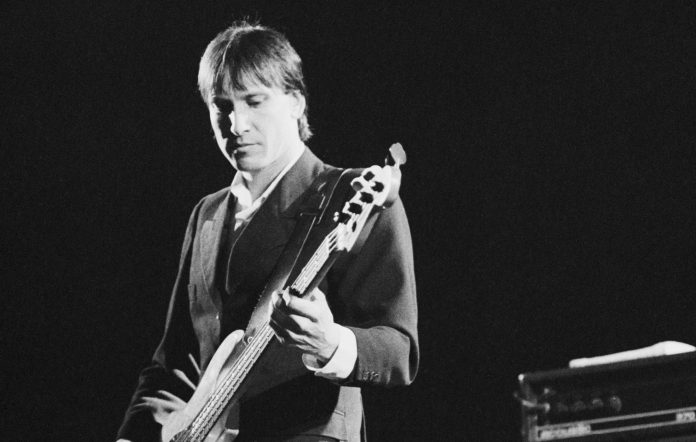
Rip recounted their early days together, explaining that they first met in 1980 while playing in The Eve Moon Band alongside drummer Jay Dee Daugherty. Soon after, the trio became part of the NYC lineup of Holly and the Italians with Holly Beth Vincent. In 1981, Smith’s collaboration with Tom Verlaine’s touring ensemble on the album Dreamtime further solidified the network of lifelong musical and personal friendships.
“His sense of humour, much like his musical voice, was dry, subtle, to the point, hilarious, and always left you wanting more,” Rip added. “Yesterday, he left this world, leaving so many who loved him wanting so much more…of him.”
Fred Smith’s style on the bass guitar was admired for its simplicity, precision, and musical intelligence. Rip highlighted that “if you are a lover of melodic bass lines and counterpoint, you could go to school on what Fred created so effortlessly. He was a natural—never flashy, always essential, always serving the song in ways that only the greatest musicians can.”
Despite battling illness for several years, Smith remained engaged with music and eagerly looked forward to new projects. Rip recalled that they had plans to perform Tom Verlaine’s music live in 2026, but sadly those plans could not come to fruition. “Thankfully, we were able to say goodbye. ‘Love you’ were our last words to each other. I will miss him more than anyone can imagine,” Rip wrote.
Smith’s impact on Blondie was profound, even during his relatively brief tenure with the band. He was the original bassist for Angel and the Snake before it evolved into Blondie in the mid-1970s. His contributions during this formative period helped establish the band’s reputation in the New York punk scene, blending driving bass lines with punk rock energy and early new wave innovation.
After leaving Blondie, Smith fully devoted himself to Television, a band that had already gained acclaim for their work in the New York City punk and art-rock scenes. His playing added depth and subtlety to Television’s sound, complementing the intricate guitar work of Tom Verlaine and enriching the band’s complex, rhythmically adventurous compositions. His tenure with Television and other projects cemented his reputation as a versatile and essential figure in the punk and post-punk music world.
Tributes from Smith’s peers and fans poured in following the announcement of his passing. Many highlighted not only his musicianship but also his personality, describing him as a loyal friend, a running companion, and someone whose quiet presence provided comfort during the challenges of touring life. “He was exactly the guy you wanted around when road life got wearisome,” Rip said, noting that Smith’s enduring friendship and support left a lasting mark on those who worked alongside him.
Fred Smith’s career, spanning from the 1970s to the present, reflected a dedication to musical integrity and collaboration. His approach to bass—serving the song, complementing other instruments, and creating memorable yet understated lines—made him a musician’s musician. Young bassists and music enthusiasts continue to study his work, appreciating the balance between technical skill and musical intuition.
Although the official cause of death has not been disclosed, it is known that Smith had been battling an illness for several years, enduring his health challenges with determination and resilience. His family, friends, and bandmates remember him not only for his contributions to music but also for his humor, kindness, and enduring presence in the lives of those around him.
Smith’s influence extends beyond his bands, touching the broader landscape of rock music. Television’s intricate, guitar-driven sound combined with Smith’s melodic bass lines influenced countless alternative and punk musicians who followed. Meanwhile, Blondie’s early fusion of punk, pop, and new wave helped define the sound of late 1970s and early 1980s music, and Smith’s role in that evolution remains an integral part of the story.
As the music world mourns his passing, tributes continue to celebrate Smith’s career, emphasizing both his artistry and his character. “He fought his illness long and hard these last few years, looking always forward to new projects,” Rip noted. “We had big plans to play Tom’s music live this year… but it just wasn’t meant to be.”
Fred Smith’s legacy will endure in the recordings, live performances, and memories he leaves behind. From his early work with Blondie to his decades-long collaboration with Television, Smith’s bass lines formed the foundation for some of the most influential and beloved music of the late 20th century. Fans and fellow musicians alike will remember him as a vital contributor to rock music and a friend whose presence enriched their lives.
His passing marks the end of an era, but Fred Smith’s contributions continue to resonate. For aspiring musicians, his work offers lessons in precision, musicality, and humility. For fans, it is a reminder of the profound impact a dedicated artist can have, both on stage and in the hearts of those around him.
Fred Smith is survived by his extended family, friends, and the musical communities he helped shape over his long career. While his absence will be deeply felt, his artistry and spirit will continue to inspire generations of musicians and fans alike.

Emily Johnson is a critically acclaimed essayist and novelist known for her thought-provoking works centered on feminism, women’s rights, and modern relationships. Born and raised in Portland, Oregon, Emily grew up with a deep love of books, often spending her afternoons at her local library. She went on to study literature and gender studies at UCLA, where she became deeply involved in activism and began publishing essays in campus journals. Her debut essay collection, Voices Unbound, struck a chord with readers nationwide for its fearless exploration of gender dynamics, identity, and the challenges faced by women in contemporary society. Emily later transitioned into fiction, writing novels that balance compelling storytelling with social commentary. Her protagonists are often strong, multidimensional women navigating love, ambition, and the struggles of everyday life, making her a favorite among readers who crave authentic, relatable narratives. Critics praise her ability to merge personal intimacy with universal themes. Off the page, Emily is an advocate for women in publishing, leading workshops that encourage young female writers to embrace their voices. She lives in Seattle with her partner and two rescue cats, where she continues to write, teach, and inspire a new generation of storytellers.