


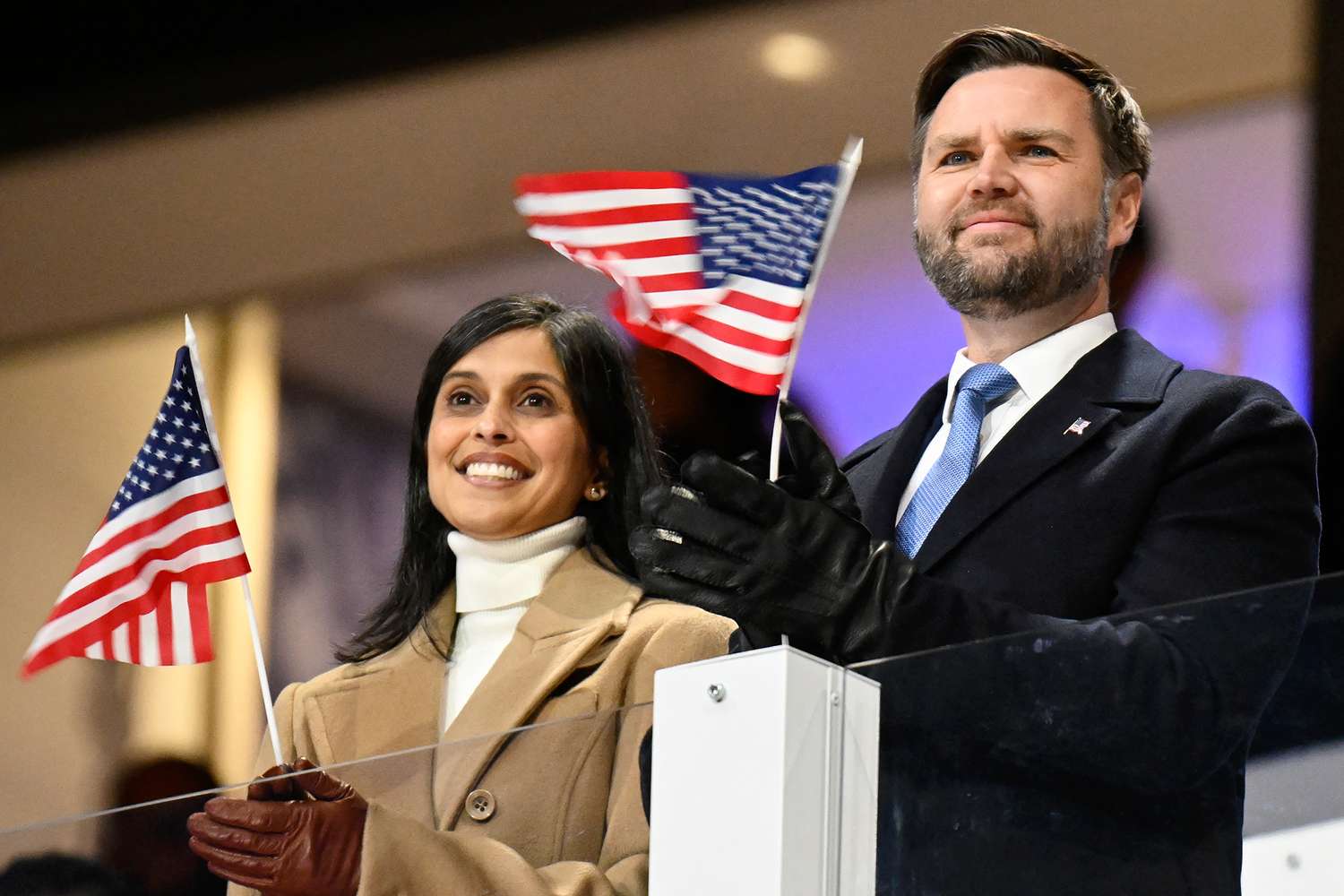
The International Olympic Committee (IOC) has responded after US Vice President JD Vance was booed by spectators during the Winter Olympics opening ceremony in Milan on Friday, February 6. The incident drew international attention as the eyes of the sporting world turned to Milan-Cortina, where 92 nations are participating in the 2026 Games.
The ceremony featured performances by globally renowned artists, including Andrea Bocelli and Mariah Carey, and aimed to highlight the spirit of international unity and sportsmanship. However, Vance’s presence as the head of the US delegation was met with audible boos from portions of the stadium crowd, signaling a rare political moment during what is typically a nonpartisan showcase of athletic achievement.
The reaction came amid large-scale demonstrations by Anti-ICE protesters in Milan, who opposed the US government’s immigration policies. The protests unfolded throughout the city, including near the stadium, despite President Donald Trump not attending the Games. Thousands of demonstrators waved banners, chanted slogans, and voiced opposition to US policies, creating a tense backdrop to the ceremonial festivities.
Ahead of the opening ceremony, IOC President Kirsty Coventry emphasized the importance of maintaining respect among attendees. “I hope that the opening ceremony is seen by everyone as an opportunity to be respectful of each other,” Coventry said in remarks to the press, stressing that the Olympic Games are meant to celebrate athletic achievement and international cooperation above political differences.
Following the incident, IOC spokesperson Mark Adams addressed the boos in a press conference on Saturday, February 7. While acknowledging the reaction, Adams sought to frame it in the context of the IOC’s broader mission of promoting fairness, sportsmanship, and the Olympic values.
“From the IOC point of view, with the next Games coming up in Los Angeles, we are very pleased that the US administration is so engaged with the Olympic Games here and going forward,” Adams said. “That’s a great thing for the Olympic movement. We are largely a sports organization, and seeing the US team cheered as they were by the audience—fair play, that was fantastic, so very happy.”
Adams highlighted that the IOC is focused on the athletes themselves rather than the political affiliations of their governments. “In general, we like to see fair play,” he said. “It’s important that we support our athletes. One of the ideas of the Olympic Movement is that athletes shouldn’t be punished for the actions of their governments. We want to see athletic performance celebrated for what it says about humanity.”
The IOC spokesperson also addressed concerns about spectators booing athletes from other countries, including Israeli competitors. “Whatever the athlete’s background or country, we don’t like to see booing,” Adams said. “We want sportsperson-like behavior from everyone. I know Italian supporters love their sport. When they start seeing amazing performances, whatever nationality, they will cheer those performances.”
The incident involving Vance underscores the challenges the IOC faces in separating politics from sport. While the Olympic Games strive to provide a platform for international camaraderie, political tensions and public perceptions often intersect with sporting events. Spectators’ reactions to political figures can overshadow the intended focus on athletic achievement, presenting a recurring challenge for event organizers.
JD Vance, a former venture capitalist and bestselling author, assumed office as Vice President of the United States in 2025 under President Donald Trump. His presence at the opening ceremony reflected the US government’s desire to show strong support for Team USA in Milan, especially with the Los Angeles 2028 Games on the horizon. According to IOC officials, inviting high-level government representatives to opening ceremonies is standard practice and is intended to promote collaboration between national Olympic committees and their governments.
Despite the political overtones, the IOC emphasized that the primary audience should be athletes and fans celebrating their achievements. “The whole idea, or one of the ideas of the Olympic Movement, is that athletes shouldn’t be punished for whatever their governments have done,” Adams said. “I think that’s really important, that we see the athletes and athletic performance for what that says about humanity.”
The opening ceremony itself was a lavish production, featuring choreographed performances, cultural showcases, and a parade of nations that highlighted Italy’s rich heritage and the international diversity of the Games. However, the focus shifted briefly to politics when Vance and the US delegation were visible on camera, prompting the boos and subsequent media coverage.
Observers noted that anti-US sentiment in Milan, largely tied to immigration policy and other domestic political issues, may have contributed to the reaction. While some attendees reportedly intended their response as a form of political protest, the IOC maintained that such displays should not interfere with the athletes’ experience.
The IOC’s response signals a firm stance on maintaining decorum and sportsmanship. Officials emphasized that while political engagement is inevitable at international events, it should never come at the expense of the athletes or the integrity of the Games. “We want to see fair play and respect for everyone,” Adams said. “Athletic performance transcends politics, and that is what the Olympic Games are truly about.”
Moving forward, the IOC will continue its efforts to educate spectators about proper behavior during competitions and ceremonies. This includes guidance on refraining from political demonstrations that could disrupt the event, as well as encouraging fans to support athletes for their dedication and skill rather than for political reasons.
The incident involving Vance also raises broader questions about the intersection of politics and international sport. While the Olympics are intended to foster unity, global events often become platforms for expressing dissent, reflecting the complex realities of modern geopolitics. The IOC’s statement seeks to reaffirm the organization’s commitment to keeping the Games focused on athletic achievement while discouraging behavior that undermines the event’s spirit.
In conclusion, the IOC has made its stance clear: booing political figures is not the kind of conduct the organization condones, and athletes should never bear the brunt of political disagreement. The Milan-Cortina Winter Olympics will continue, with 92 nations competing across multiple sports, and the IOC is urging fans to celebrate the athletes’ dedication, talent, and perseverance.
“The Olympics are about excellence, friendship, and respect,” Adams said. “We hope everyone remembers that, and that spectators focus on supporting the athletes, regardless of politics or nationality.”

Emily Johnson is a critically acclaimed essayist and novelist known for her thought-provoking works centered on feminism, women’s rights, and modern relationships. Born and raised in Portland, Oregon, Emily grew up with a deep love of books, often spending her afternoons at her local library. She went on to study literature and gender studies at UCLA, where she became deeply involved in activism and began publishing essays in campus journals. Her debut essay collection, Voices Unbound, struck a chord with readers nationwide for its fearless exploration of gender dynamics, identity, and the challenges faced by women in contemporary society. Emily later transitioned into fiction, writing novels that balance compelling storytelling with social commentary. Her protagonists are often strong, multidimensional women navigating love, ambition, and the struggles of everyday life, making her a favorite among readers who crave authentic, relatable narratives. Critics praise her ability to merge personal intimacy with universal themes. Off the page, Emily is an advocate for women in publishing, leading workshops that encourage young female writers to embrace their voices. She lives in Seattle with her partner and two rescue cats, where she continues to write, teach, and inspire a new generation of storytellers.