


In a sign of how deeply economic challenges are shaking even long‑established businesses, a nearly century‑old American manufacturer known for its nostalgic confections has filed for bankruptcy protection. The move underscores rising production costs, competitive pressures, and longstanding debt burdens that have made survival difficult for mid‑sized firms in the consumer goods sector.
The company, whose brand and products have been part of American retail culture for generations, has taken the significant legal step of filing for Chapter 11 in federal bankruptcy court. This chapter of the U.S. Bankruptcy Code allows companies to reorganize their finances under court supervision — often with the goal of emerging leaner and financially healthier — rather than shutting down immediately.
The filing marks the end of an era for many observers, as the business had been family‑owned and operated for most of its existence. Its treats, including classic hard candies, chewy sweets, and popcorn confections, have been sold in countless local and national stores for decades. For many consumers, the brand evokes childhood memories — but now its fate, and that of its roughly 90 employees, hangs in the balance as the company seeks a way forward.
A Company With Deep Roots Faces Modern Struggles
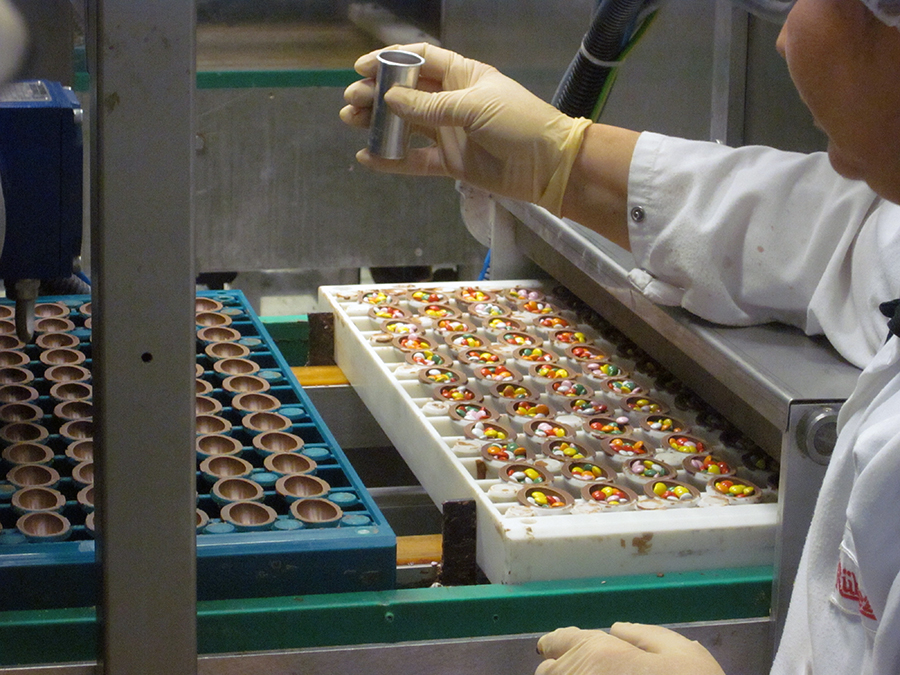
At the heart of this story is Primrose Candy Company, a Chicago‑based confectioner that traces its origins to 1928. For nearly 100 years, the company has produced a range of non‑chocolate candies and snacks, selling products in bulk to retailers across the United States. Its legacy includes candies that have become staples in candy aisles and nostalgic treats remembered fondly by multiple generations.
But age and heritage have not insulated the business from the harsh realities of today’s economy. In late January 2026, Primrose Candy filed a voluntary Chapter 11 petition in the U.S. Bankruptcy Court for the Northern District of Illinois, officially seeking protection and the opportunity to restructure its finances.
According to court records, the company listed assets estimated between $1 million and $10 million, while its liabilities — including longstanding debt — were estimated between $10 million and $50 million. The substantial gap between these figures highlights the financial pressures the business has faced in recent years.

Why the Bankruptcy Filing Now?
Several factors contributed to the company’s decision to seek bankruptcy protection:
1. Rising Production Costs
A major challenge has been the dramatic increase in costs for key inputs — particularly sugar. Sugar prices in the U.S. have climbed significantly in recent years, squeezing profit margins for domestic candy manufacturers. As ingredients become more expensive, companies are forced to raise prices or absorb costs, leaving less flexibility in already tight budgets.
2. Heavy Debt Burden
Primrose had accumulated “old, old debt” that became increasingly difficult to service alongside everyday operational expenses. According to court filings and interviews with legal representatives, this debt, in combination with rising costs, created a situation where the company could no longer afford to meet all its financial obligations as they came due.
3. Declining Revenue
The company’s revenue has also fallen in recent years. Reports indicate a drop from roughly $11.8 million in 2024 to about $7.8 million in 2025, a significant decline that made it harder to cover fixed costs and debt service.
4. Loss of Major Contracts
Beyond raw material cost pressures, Primrose reportedly lost key production contracts — such as agreements for lemon drop manufacturing that were worth approximately $1 million annually — further reducing income during a period already strained by market conditions.
5. Legal and Settlement Costs
The company has also faced legal challenges unrelated to its core business, including a class action lawsuit under the Illinois Biometric Information Privacy Act. While the matter was reportedly settled, associated costs and obligations added to the financial strains.
What Chapter 11 Means — And What Comes Next
Filing for Chapter 11 does not mean the company will immediately cease operations. Rather, it enters a court‑supervised restructuring process intended to give Primrose a chance to negotiate with creditors, reorganize its debts, and secure new financing.
In many Chapter 11 cases, businesses attempt to reduce or reschedule their debt obligations, consolidate operations, and find ways to return to profitability. The fact that Primrose sought this type of bankruptcy — as opposed to Chapter 7, which typically results in liquidation — suggests its leaders hope to keep the business alive and preserve as many jobs as possible.
A hearing on motions related to the case — including requests to use cash collateral and extend deadlines for financial disclosures — is scheduled for early February 2026. A judge will oversee various aspects of the case as it progresses through the bankruptcy court system.
Industry and Economic Context
The financial woes of this long‑standing candy maker come amid broader challenges for the retail and food manufacturing sectors. Rising input costs, inflationary pressures, shifts in consumer preferences, and competition from lower‑cost foreign products have squeezed margins for many U.S. producers. Smaller and midsized manufacturers often lack the scale or pricing power to absorb these pressures as easily as larger corporations.
Moreover, the candy industry itself faces unique challenges. Changing consumer tastes — including shifts toward health‑oriented or sugar‑free alternatives — have altered the market landscape. Many traditional candy producers have had to adapt product lines or find new distribution channels to stay relevant. Competition from global producers, often operating in regions with lower production costs, further complicates domestic manufacturers’ efforts to compete on price.
In some respects, the struggle of America’s nearly century‑old candy maker mirrors those of other legacy brands trying to remain viable in an era defined by e‑commerce giants, changing retail behaviors, and supply chain disruptions that have driven up costs across the board.
Impact on Workers, Communities, and Consumers
The bankruptcy filing has significant human and economic implications. The company employs approximately 90 workers, many of whom may face uncertainty as the bankruptcy process unfolds. While Chapter 11 does not necessarily lead to layoffs, restructuring plans often include operational changes that can affect staffing levels, hours, or job locations.
Local economies — particularly in areas where the company’s manufacturing facilities are based — may also feel effects if production levels are reduced or if the business ultimately emerges smaller.
Consumers, too, may notice changes. Products associated with the brand, including beloved candies that have been part of seasonal displays and nostalgic traditions, may become less available if retail distribution contracts are renegotiated or if output slows during restructuring. History shows that when familiar brands face financial distress, their presence on store shelves often shifts, even if production continues at some level.
A Legacy at a Crossroads
For decades, this company’s sweets have been part of American retail culture. For many shoppers, the brand’s candies conjure memories of childhood, holidays, and special occasions. That emotional connection underscores the broader cultural significance of a business that has lasted nearly 100 years.
Whether the company can reorganize successfully and return to financial stability remains uncertain. Chapter 11 proceedings are complex and often unpredictable, requiring careful negotiation between debtors and creditors, court oversight, and sometimes external investment. But the decision to file marks an important step: it gives the business an opportunity to regroup rather than dissolve outright.
This historic confectioner’s struggle also raises larger questions about how legacy brands adapt to a rapidly evolving economy. In an age when supply chains are global, consumer preferences shift quickly, and operating costs can spike without warning, the resilience of traditional manufacturing businesses is being tested in unprecedented ways.
As the Chapter 11 process moves forward, stakeholders — from employees and suppliers to customers and industry observers — will watch closely. The fate of this once‑iconic candy maker illustrates both the challenges and the potential pathways forward for older companies striving to maintain relevance in the 21st century economy.

Emily Johnson is a critically acclaimed essayist and novelist known for her thought-provoking works centered on feminism, women’s rights, and modern relationships. Born and raised in Portland, Oregon, Emily grew up with a deep love of books, often spending her afternoons at her local library. She went on to study literature and gender studies at UCLA, where she became deeply involved in activism and began publishing essays in campus journals. Her debut essay collection, Voices Unbound, struck a chord with readers nationwide for its fearless exploration of gender dynamics, identity, and the challenges faced by women in contemporary society. Emily later transitioned into fiction, writing novels that balance compelling storytelling with social commentary. Her protagonists are often strong, multidimensional women navigating love, ambition, and the struggles of everyday life, making her a favorite among readers who crave authentic, relatable narratives. Critics praise her ability to merge personal intimacy with universal themes. Off the page, Emily is an advocate for women in publishing, leading workshops that encourage young female writers to embrace their voices. She lives in Seattle with her partner and two rescue cats, where she continues to write, teach, and inspire a new generation of storytellers.