

This year’s Super Bowl Halftime Show is set to be headlined by global Latin music superstar Bad Bunny, a booking that has already generated massive attention—and controversy—well ahead of kickoff. While the Puerto Rican artist commands one of the largest fanbases in the world, one notable figure has made clear he will not be tuning in with enthusiasm: President Donald Trump.
Bad Bunny, 31, widely regarded as the “King of Latin Trap,” has been credited with helping Spanish-language music break through cultural and commercial barriers to achieve unprecedented global mainstream success. A three-time Grammy Award winner, the artist has dominated streaming platforms, sold out stadiums worldwide, and reshaped the modern pop landscape.
Yet despite the Super Bowl’s reputation as a unifying cultural spectacle, Trump has publicly criticized the decision to place Bad Bunny at the center of one of the most-watched entertainment events on Earth.
Trump Calls Lineup “Terrible”
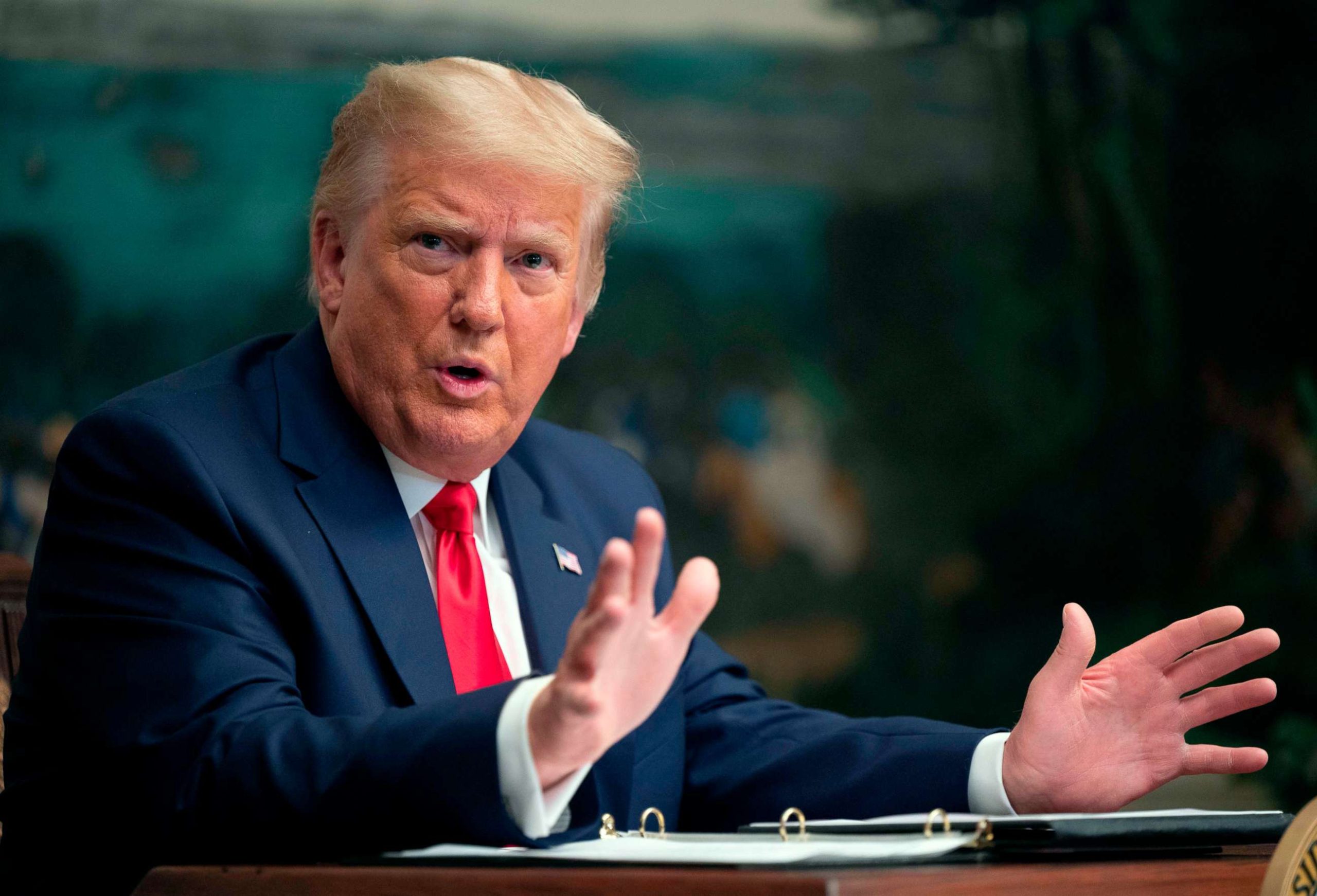
Speaking to the New York Post in an interview conducted from the Oval Office last weekend, Trump dismissed the halftime lineup in blunt terms, saying he had no interest in attending the event and labeling the musical choices divisive.
“I’m anti-them,” Trump said, referring to both Bad Bunny and Green Day, who are scheduled to open the event. “I think it’s a terrible choice. All it does is sow hatred. Terrible.”
Trump’s criticism appeared rooted not only in musical taste but also in politics. Both Bad Bunny and Green Day have been outspoken critics of the president, a point Trump himself acknowledged during the interview.
A Political Undercurrent
Bad Bunny—whose real name is Benito Antonio Martínez Ocasio—has never shied away from political commentary. Over the years, he has used his platform to speak out on immigration, police reform, Puerto Rican autonomy, and U.S. federal policies, frequently placing himself in opposition to Trump’s rhetoric and administration.
In his song Nuevayol, Bad Bunny famously included an imitation of Trump’s voice, delivering a mock apology to immigrants in the United States. The audio clip states: “I want to apologise to the immigrants in America… This country is nothing without the immigrants. This country is nothing without Mexicans, Dominicans, Puerto Ricans, Colombians, Venezuelans, Cubans.”
The message resonated strongly with immigrant communities and Latin American audiences, while drawing criticism from conservative commentators and Trump supporters.
Bad Bunny’s political stance extended beyond lyrics. He previously chose to bypass a traditional U.S. tour in favor of a month-long residency in Puerto Rico, citing concerns related to immigration enforcement.
“There were many reasons why I didn’t show up in the U.S., and none of them were out of hate,” he told i-D magazine at the time. “But there was the issue of — like, [expletive] ICE could be outside [my concert]. And it’s something that we were talking about and very concerned about.”
Green Day Also in Trump’s Crosshairs
Bad Bunny is not the only act on the Super Bowl lineup with a history of criticizing Trump. Green Day, the legendary punk rock band set to open the event, has been vocal in its opposition to Trump for years.
Frontman Billie Joe Armstrong has repeatedly used live performances as a platform for political protest, most notably altering the lyrics of the band’s 2004 hit American Idiot. During multiple concerts, Armstrong has changed the line “I’m not a part of a redneck agenda” to “I’m not a part of a MAGA agenda,” directly referencing Trump’s political movement.
Those performances became viral moments and further solidified Green Day’s reputation as one of the most politically outspoken bands in mainstream rock.
Trump referenced the band’s opposition when explaining his disapproval of the Super Bowl lineup, suggesting that the musical choices reflect broader cultural and ideological divides.
California Factor
Trump also cited the location of the Super Bowl as a reason for his absence. The game will take place on February 8 at Levi’s Stadium in Santa Clara, California, where the New England Patriots will face the Seattle Seahawks.
“It’s just too far away,” Trump said. “I would [go]. I’ve gotten great hands at the Super Bowl. They like me. I would go if, you know, it was a little bit shorter.”
California has frequently been at odds with Trump on policy issues ranging from immigration to climate change, and the state has become a symbolic flashpoint in national political debates.
A Massive Global Stage
Despite the controversy, the Super Bowl Halftime Show remains one of the most powerful entertainment platforms in the world. Last year’s broadcast drew a record-breaking 127.7 million viewers, with Kendrick Lamar headlining the halftime performance.
Over the years, the stage has featured icons such as Rihanna, Lady Gaga, Usher, and many others, often using the moment to deliver visually spectacular and culturally significant performances.
Bad Bunny’s selection signals a continued shift toward global and multilingual representation, reflecting the NFL’s effort to appeal to an increasingly diverse international audience.
Celebrity Spectacle, Political Subtext
As always, the Super Bowl is expected to draw a star-studded crowd of celebrities, athletes, and business leaders, alongside tens of thousands of fans who have secured highly sought-after tickets.
While Trump will not be among those in attendance, his criticism has added another layer of political discourse to an event that increasingly sits at the intersection of sports, entertainment, and ideology.
Supporters of the halftime lineup argue that Bad Bunny’s presence represents cultural progress and broader inclusion. Critics counter that the Super Bowl should remain politically neutral, though the event has rarely been free from controversy in recent years.
A Sign of the Times
The debate surrounding this year’s halftime show highlights the evolving nature of the Super Bowl itself—not just as a football championship, but as a reflection of cultural power, political identity, and generational change.
For Bad Bunny, the performance represents another historic milestone in a career defined by breaking boundaries. For Trump, it is another example of what he views as cultural institutions turning against him.
And for millions of viewers worldwide, the halftime show will once again serve as both entertainment and a mirror of the deeply divided moment in which it unfolds.

Emily Johnson is a critically acclaimed essayist and novelist known for her thought-provoking works centered on feminism, women’s rights, and modern relationships. Born and raised in Portland, Oregon, Emily grew up with a deep love of books, often spending her afternoons at her local library. She went on to study literature and gender studies at UCLA, where she became deeply involved in activism and began publishing essays in campus journals. Her debut essay collection, Voices Unbound, struck a chord with readers nationwide for its fearless exploration of gender dynamics, identity, and the challenges faced by women in contemporary society. Emily later transitioned into fiction, writing novels that balance compelling storytelling with social commentary. Her protagonists are often strong, multidimensional women navigating love, ambition, and the struggles of everyday life, making her a favorite among readers who crave authentic, relatable narratives. Critics praise her ability to merge personal intimacy with universal themes. Off the page, Emily is an advocate for women in publishing, leading workshops that encourage young female writers to embrace their voices. She lives in Seattle with her partner and two rescue cats, where she continues to write, teach, and inspire a new generation of storytellers.