


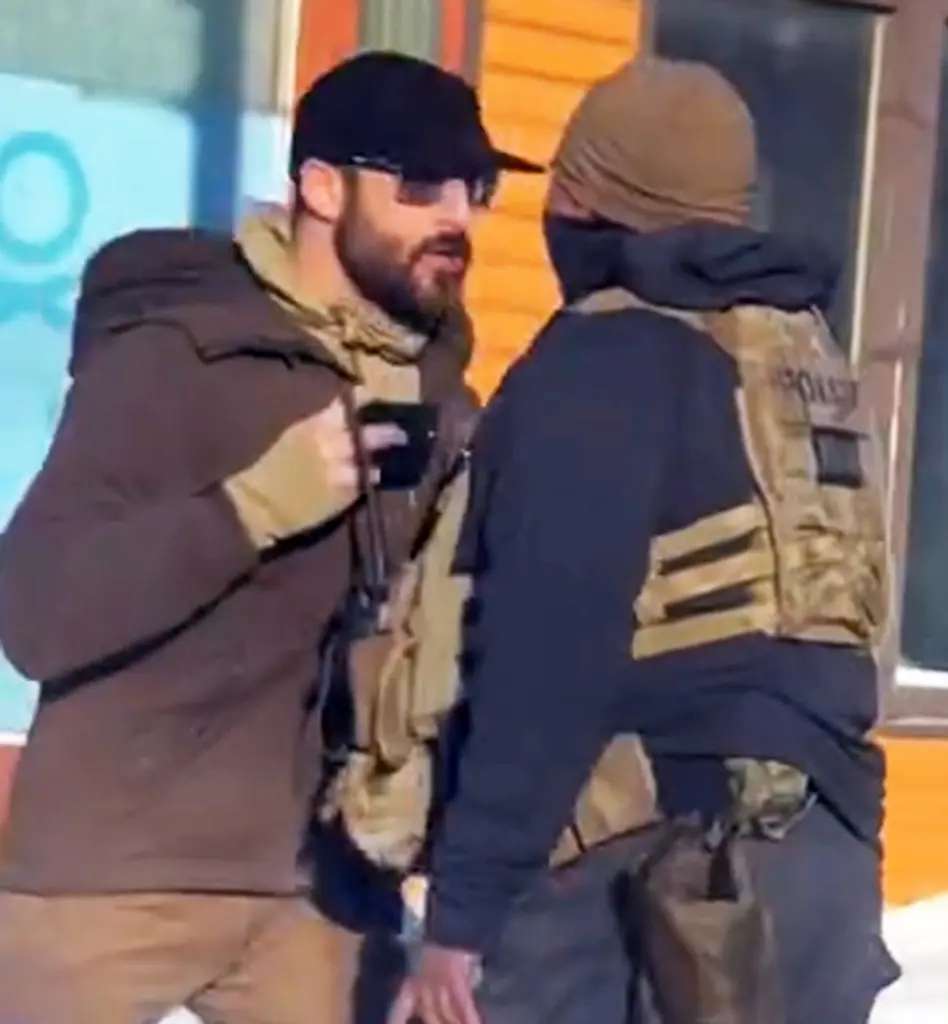
Newly released video footage has emerged showing Alex Pretti, a Minneapolis-based anti-ICE activist, in a series of confrontations with federal agents in the days leading up to the fatal shooting that claimed his life on January 24, 2026. The footage, verified by multiple news outlets including The News Movement and the BBC, offers new insight into Pretti’s interactions with law enforcement and the escalating tensions surrounding federal immigration enforcement operations in Minneapolis.
The recordings, captured on January 13, depict Pretti actively confronting federal agents during an enforcement operation targeting immigration violations. In the video, he can be seen shouting at agents as they perform their duties, escalating quickly to physical aggression. At one point, Pretti rushes toward a federal vehicle and delivers multiple kicks to its rear, shattering the back taillight. Agents respond immediately, grappling with him and ultimately throwing him to the ground. In the footage, Pretti is dressed in an outfit similar to what he wore on the day he was fatally shot, suggesting a deliberate continuity in his appearances during confrontations with law enforcement.
Reports indicate that Pretti may have been armed during the January 13 incident. While the extent of his armament during that confrontation is unclear, law enforcement officials have confirmed that he carried a 9mm handgun during the fatal incident on January 24. According to The News Movement, facial recognition technology verified by the BBC confirmed Pretti’s identity in the January 13 video with 97 percent accuracy, lending credibility to the footage and its significance in understanding the sequence of events leading to his death.
The footage aligns with earlier reporting by CNN, which identified Pretti as a figure well-known to federal authorities due to previous violent encounters and consistent agitation during immigration enforcement operations. According to these reports, federal officials had circulated an intake form among agents involved in the Department of Homeland Security’s “Metro Surge” initiative. This form was designed to collect identifying information on individuals who had confronted, obstructed, or otherwise interfered with federal agents during their operations. Pretti’s name reportedly appeared in this database, indicating that agents had prior knowledge of his history of confrontations.
CNN sources describe Pretti as having previously been involved in a “violent confrontation” with federal agents that resulted in a broken rib. It remains unclear whether this earlier incident corresponds to the January 13 altercation now captured in the newly released footage or whether it represents a separate event. Regardless, the documentation adds to the narrative of repeated escalations between Pretti and federal authorities.
The events of January 24, which led to Pretti’s death, occurred when federal agents were attempting to detain another individual involved in anti-ICE activism. According to footage and law enforcement statements, Pretti intervened by placing his hands on an agent and attempting to facilitate the escape of the detained individual. A struggle ensued, involving at least five federal agents. During the altercation, Pretti was observed repeatedly reaching toward his waistband, where he had concealed a 9mm handgun.
Video evidence captures a moment when an agent can be heard yelling “gun” as Pretti appears to draw a backup magazine after he was seemingly disarmed by another agent seconds earlier. Within moments, agents opened fire, resulting in Pretti’s death. The incident remains under federal investigation, with the involved agents placed on administrative leave consistent with Department of Homeland Security policy regarding deadly force incidents.
WATCH:
The new footage has sparked discussion among law enforcement and the public regarding the broader context of Pretti’s interactions with federal authorities. Analysts note that while the video provides valuable context for understanding the events that unfolded, it does not diminish the ongoing investigation or the necessity of reviewing law enforcement conduct in high-risk operations.
Federal officials have emphasized that Pretti’s actions on January 24 represented a clear threat to officer safety. In addition to his attempts to assist another individual in evading detention, Pretti’s repeated attempts to access a firearm created a situation in which agents were forced to respond with lethal force. The Department of Homeland Security has reiterated its commitment to a thorough investigation, noting that the use of deadly force is only authorized when an imminent threat to life is present.
Pretti’s prior history with law enforcement has been cited as part of the rationale for heightened caution during federal operations in Minneapolis. The Metro Surge initiative, which brought additional federal agents into the city to address immigration violations, emphasized situational awareness and the monitoring of individuals with prior confrontations. Pretti’s documented interactions with agents, including previous physical altercations, informed operational planning and contributed to the heightened security presence on January 24.
Civil rights organizations and activists have raised concerns regarding the use of lethal force, the militarization of federal immigration operations, and the need for transparency in reporting. While the footage adds context to Pretti’s confrontational behavior, questions remain regarding the proportionality of the response and whether alternative de-escalation strategies could have been employed.
The January 13 video, in particular, illustrates the intensity of Pretti’s confrontations. He is seen shouting and gesturing aggressively, moving rapidly toward federal property, and engaging physically with officers. The fact that he appeared armed during this earlier encounter underscores the ongoing risk that agents perceived in his presence. Law enforcement officials point to these patterns as evidence that Pretti represented a credible threat during subsequent operations.
Experts analyzing the footage have noted that the recording also highlights broader challenges facing federal law enforcement. Officers tasked with immigration enforcement frequently operate in complex, high-stress environments where community members may resist or interfere with operations. The risks associated with carrying firearms, confronting potentially armed individuals, and maintaining order are significant, and every encounter carries the potential for escalation.
Pretti’s death has prompted national debate over federal immigration enforcement practices. Supporters of law enforcement emphasize the dangers posed to agents during enforcement actions, particularly when confronted with individuals who are aggressive or armed. Conversely, critics argue that the presence of heavily armed federal personnel can escalate tensions unnecessarily and that less lethal approaches may be more appropriate in certain situations.
The newly released footage provides a chronological link between Pretti’s prior confrontations and the events of January 24. While the January 13 video does not depict the fatal incident, it demonstrates a pattern of behavior that law enforcement officials cite as evidence of risk and justification for the response during the fatal encounter.
As the investigation continues, federal authorities have pledged to release findings when appropriate. Administrative leave for the involved agents remains in place, ensuring that a neutral review of the incident can proceed without interference. Law enforcement officials also note that the ongoing review includes a comprehensive examination of procedural adherence, tactical decision-making, and compliance with DHS use-of-force policies.
Community leaders and advocates have expressed concern about the broader implications of federal enforcement actions in Minneapolis. The emergence of new video evidence is likely to shape discussions about operational protocols, accountability, and transparency. Policymakers are closely monitoring the situation as they consider reforms aimed at balancing public safety, civil liberties, and the enforcement of immigration law.
The BBC’s verification of the footage through facial recognition technology provides additional credibility to the timeline of events. With 97 percent accuracy in confirming Pretti’s identity in the January 13 recording, analysts have noted that the video is a reliable indicator of his actions in the days leading up to his death.
In conclusion, the newly released footage of Alex Pretti sheds important light on a complex and volatile situation. It documents prior confrontations with federal agents, provides context for the fatal incident on January 24, and illustrates the risks faced by both law enforcement and individuals involved in high-intensity enforcement operations. While the video does not resolve all questions regarding the use of force, it contributes to a fuller understanding of the events and underscores the importance of thorough, transparent investigation into deadly encounters with federal agents.

Emily Johnson is a critically acclaimed essayist and novelist known for her thought-provoking works centered on feminism, women’s rights, and modern relationships. Born and raised in Portland, Oregon, Emily grew up with a deep love of books, often spending her afternoons at her local library. She went on to study literature and gender studies at UCLA, where she became deeply involved in activism and began publishing essays in campus journals. Her debut essay collection, Voices Unbound, struck a chord with readers nationwide for its fearless exploration of gender dynamics, identity, and the challenges faced by women in contemporary society. Emily later transitioned into fiction, writing novels that balance compelling storytelling with social commentary. Her protagonists are often strong, multidimensional women navigating love, ambition, and the struggles of everyday life, making her a favorite among readers who crave authentic, relatable narratives. Critics praise her ability to merge personal intimacy with universal themes. Off the page, Emily is an advocate for women in publishing, leading workshops that encourage young female writers to embrace their voices. She lives in Seattle with her partner and two rescue cats, where she continues to write, teach, and inspire a new generation of storytellers.