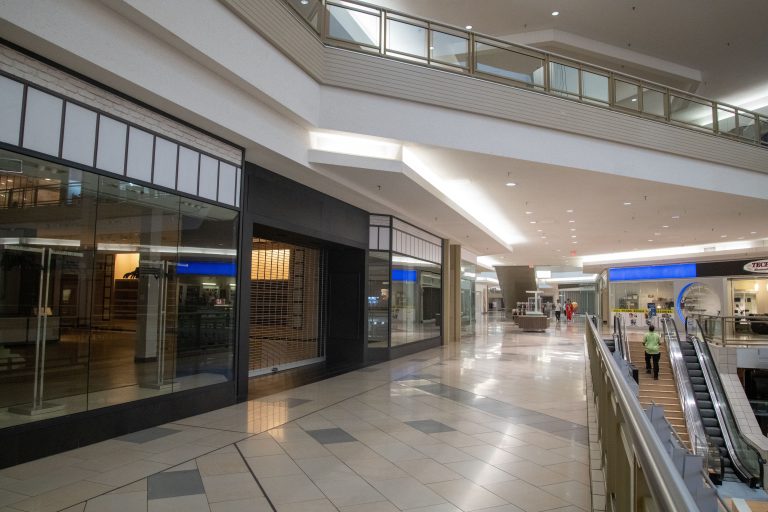



A well-known retailer that has long been a staple of American malls is preparing to close its doors nationwide, marking the end of an era for shoppers who grew up exploring its stores for unique clothing, accessories, and lifestyle items. The announcement comes amid broader challenges in the brick-and-mortar retail sector, where changing consumer habits and increased online shopping have made traditional mall-based operations increasingly difficult to sustain. While the company has not confirmed specific dates for closures, insiders report that liquidation efforts are already underway, signaling that shoppers should act quickly if they wish to purchase their favorite items before the stores close permanently.
Francesca’s, the retailer behind the popular mall locations, confirmed through customer service representatives that “we are liquidating our inventory and closing soon.” Sources indicate that many employees have already been let go as part of the shutdown process, highlighting the sudden and far-reaching nature of the closures. Francesca’s first filed for bankruptcy in 2020, which led to the closure of roughly 140 of its stores at the time. The chain had faced mounting financial pressures over the years, including declining mall traffic, rising rent costs, and shifts in consumer spending patterns toward digital platforms.
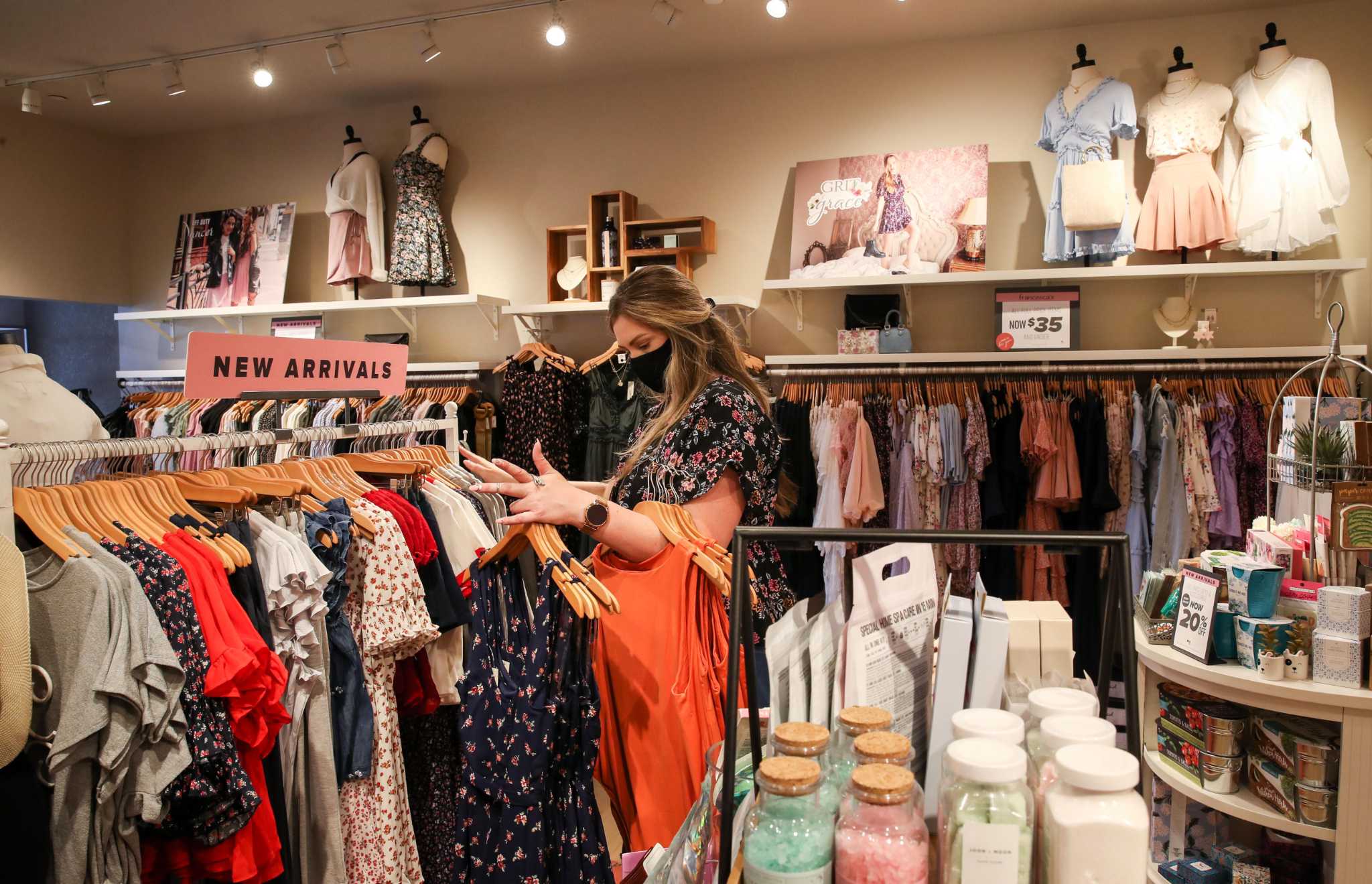
At its peak, Francesca’s operated over 450 stores across 45 states, making it one of the most recognized boutique-style retailers in American malls. The brand became a destination for teens and young adults, offering a curated selection of trendy apparel, accessories, and home décor. Its stores were designed to create a “treasure-hunt” shopping experience, with rotating inventory that encouraged repeat visits and cultivated a sense of discovery. Shoppers often appreciated the boutique atmosphere, which contrasted with the larger, impersonal department stores and fast-fashion chains.
CEO Andrew Clarke, speaking in 2020 during the company’s initial bankruptcy filing, expressed optimism about Francesca’s ability to adapt and grow despite financial challenges. “We are confident that we will emerge from this process as a stronger company poised to drive growth by exploring new brand avenues, expanding our e-commerce channels, and providing our customers with the latest fashion options and treasure-hunt experiences they know and love us for,” Clarke said at the time. While the company sought to shift its focus toward online sales, the persistent struggles of physical retail locations ultimately made sustaining the full network of stores unviable.
Francesca’s struggles reflect a larger trend in the U.S. retail landscape. Over the past decade, numerous mall-based chains—including both clothing and lifestyle brands—have faced bankruptcy, consolidation, or complete closure. The decline in mall traffic, particularly in suburban areas, combined with the explosive growth of e-commerce giants like Amazon, has forced many retailers to reevaluate the viability of maintaining large numbers of physical locations. Francesca’s, despite its loyal customer base, was not immune to these pressures, and the decision to close all U.S. stores represents a broader shift away from traditional mall-centric retail models.
While no official closure timeline has been provided, customer service representatives have confirmed that liquidation is underway. This presents a final opportunity for shoppers to purchase seasonal merchandise, boutique-exclusive items, and other popular products. Retail experts suggest that these last sales may see significant discounts as the company works to move inventory before the stores close, offering consumers a last chance to experience Francesca’s in-person.
The impact of the closures will be felt both by employees and by communities. Francesca’s employed thousands of workers across the country, including sales associates, store managers, and administrative staff. The closures will result in significant job losses and will also remove a familiar shopping destination for local communities. For many mall-goers, Francesca’s represented more than a store—it was a cultural touchstone and a place to socialize, browse, and discover unique fashion finds. Its departure will leave a void in the mall ecosystem, particularly in smaller towns where retail options are already limited.
Francesca’s had become synonymous with a certain style and shopping experience. Its combination of curated apparel, affordable accessories, and rotating merchandise set it apart from both fast-fashion retailers and large department stores. Shoppers often described the brand’s stores as a place to discover hidden gems, a “treasure-hunt” experience that was part of the chain’s enduring appeal. The liquidation and closure of all locations will mark the end of this distinctive in-person experience, further highlighting the challenges faced by mid-sized retailers navigating the digital age.
The closures also highlight the broader economic and cultural shifts impacting the American retail sector. Over the past several years, mall foot traffic has steadily declined as consumers increasingly favor online shopping, curbside pickup, and direct-to-consumer brands. Rising operational costs, from rent and utilities to staffing, have placed additional financial pressure on retailers, particularly those reliant on physical locations. Francesca’s decision to close its stores illustrates how even established and popular brands are vulnerable to these macroeconomic and societal trends.
Despite the closure of physical stores, Francesca’s may continue to operate its e-commerce platform for a time, allowing customers to access select merchandise online. However, the in-store experience, which was a core part of the brand’s identity, will be lost. This transition underscores the broader challenge facing many retailers: balancing digital growth with the desire to maintain a tangible, engaging experience for shoppers.
As the company moves forward with liquidation, efforts are reportedly being made to support employees, customers, and partners during the transition. Outstanding orders and customer concerns are being addressed, and the company has emphasized a commitment to ensuring a smooth process for all involved. Shoppers are encouraged to visit their nearest locations while inventory remains available, both to secure desired products and to experience the store before it closes for good.
Francesca’s closure is emblematic of the changing face of retail in the United States. Once a staple of suburban and urban malls, the brand’s departure signals the difficulties facing traditional brick-and-mortar retail in the digital era. For long-time fans, it represents the end of a familiar and cherished shopping experience, while for the retail industry, it highlights the urgent need to innovate and adapt to rapidly evolving consumer behaviors.
In the end, the closure of Francesca’s stores will be remembered as a milestone in the broader narrative of American retail: a shift away from physical shopping spaces toward digital platforms, and a reminder of the challenges faced by mid-sized, boutique-style chains trying to survive in a competitive, tech-driven marketplace. For consumers, employees, and communities alike, the end of Francesca’s U.S. stores closes a chapter on decades of mall culture, signaling a transformed retail landscape for years to come.

Emily Johnson is a critically acclaimed essayist and novelist known for her thought-provoking works centered on feminism, women’s rights, and modern relationships. Born and raised in Portland, Oregon, Emily grew up with a deep love of books, often spending her afternoons at her local library. She went on to study literature and gender studies at UCLA, where she became deeply involved in activism and began publishing essays in campus journals. Her debut essay collection, Voices Unbound, struck a chord with readers nationwide for its fearless exploration of gender dynamics, identity, and the challenges faced by women in contemporary society. Emily later transitioned into fiction, writing novels that balance compelling storytelling with social commentary. Her protagonists are often strong, multidimensional women navigating love, ambition, and the struggles of everyday life, making her a favorite among readers who crave authentic, relatable narratives. Critics praise her ability to merge personal intimacy with universal themes. Off the page, Emily is an advocate for women in publishing, leading workshops that encourage young female writers to embrace their voices. She lives in Seattle with her partner and two rescue cats, where she continues to write, teach, and inspire a new generation of storytellers.