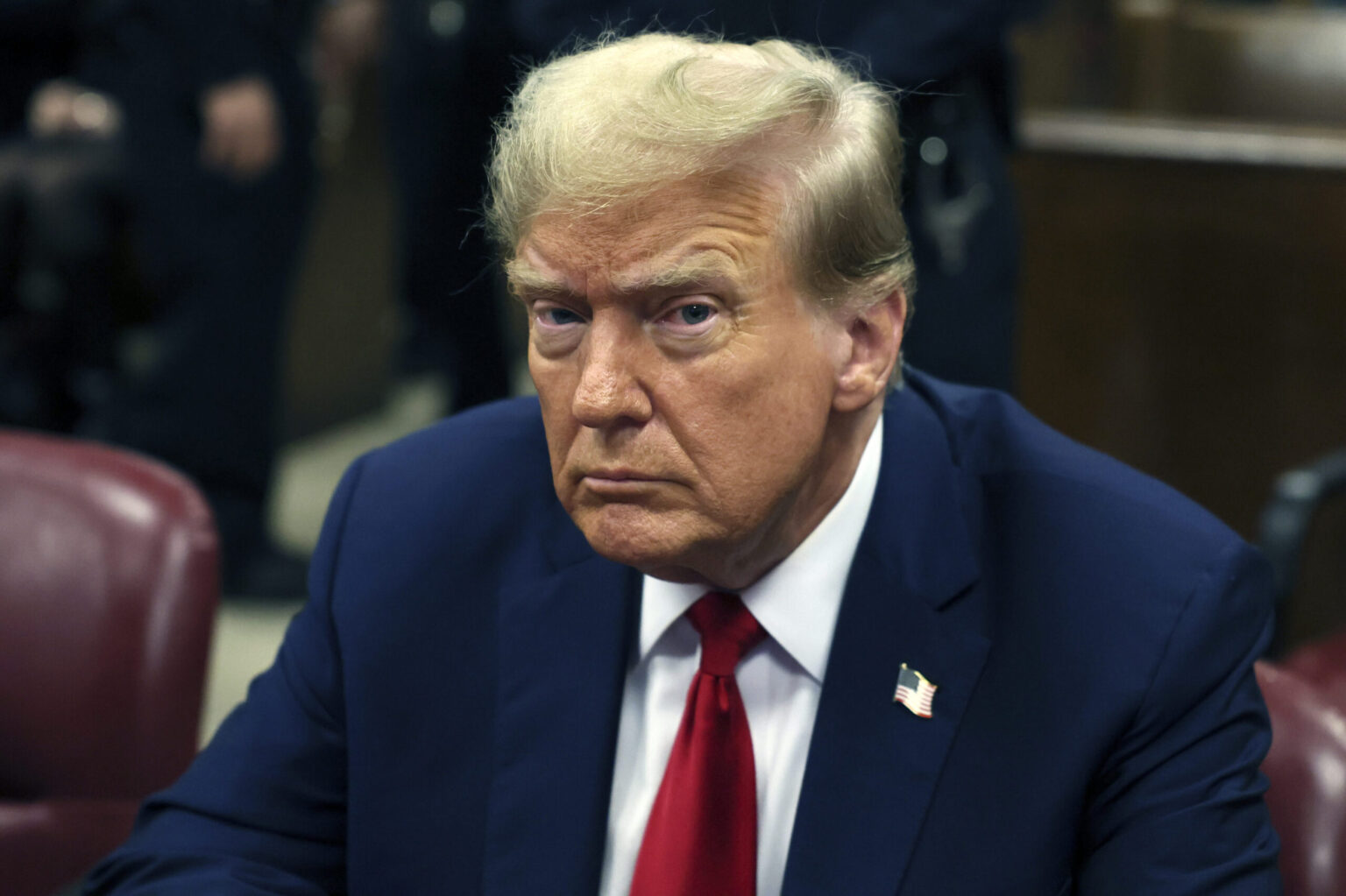
President Donald Trump has announced a shift in federal enforcement posture in Minnesota following two fatal shootings involving Immigration and Customs Enforcement (ICE) and other federal agents, incidents that have fueled protests, political pressure, and renewed debate over the role of federal law enforcement in local communities.
The decision comes amid heightened national tension after the deaths of two Minnesota residents in separate encounters with federal authorities earlier this month. While the Trump administration has stopped short of ordering a full withdrawal of ICE officers from the state, the president has indicated that his government intends to reduce the intensity of operations, describing the move as an effort to “de-escalate” rather than retreat.
Two Fatal Incidents Spark Outrage
The first incident occurred on January 7 in Minneapolis, when Renee Nicole Good was fatally shot by an ICE agent shortly after dropping her children off at school. The circumstances surrounding the shooting quickly became a flashpoint. Federal officials described Good as a “domestic terrorist,” a label that was met with skepticism and anger from local leaders and community members who questioned both the characterization and the necessity of lethal force.
Minnesota Governor Tim Walz publicly called for ICE officers to be withdrawn from the state following Good’s death, arguing that federal enforcement actions were inflaming tensions and undermining public safety rather than enhancing it. His appeal reflected broader concerns among Democratic officials and immigrant advocacy groups, who have long criticized ICE for aggressive tactics and lack of accountability.
Just over two weeks later, on January 24, a second fatal shooting intensified the controversy. Alex Pretti, an intensive care unit nurse, was killed by federal agents during protests in Minneapolis. The demonstrations had erupted in response to the earlier shooting and broader frustrations with ICE’s presence in the city. Pretti’s death further escalated public outrage, particularly after video footage circulated online suggesting there was no clear evidence that he intended to harm officers, despite the fact that he was legally permitted to carry a firearm.
Together, the two deaths have become symbols of a broader national struggle over policing, federal authority, and the balance between security and civil liberties.
Trump Signals “De-Escalation,” Not Withdrawal
Speaking in an interview with Fox News, President Trump acknowledged the gravity of both incidents and confirmed that his administration would be adjusting its approach in Minnesota.
“We’re going to de-escalate a little bit,” Trump said, while emphasizing that the change should not be interpreted as a full pullback of federal agents. “It was not a pullback,” he clarified, underscoring that ICE would continue to operate in the state, albeit with reduced intensity.
The president described both shootings as “terrible,” repeatedly emphasizing his discomfort with the outcomes. “Bottom line, it was terrible. Both of them were terrible,” he said.
Trump’s remarks appeared aimed at striking a balance between acknowledging public concern and maintaining support for federal law enforcement agencies, which have been a cornerstone of his administration’s immigration policy.
Conflicting Narratives Around the Pretti Shooting
Addressing the death of Alex Pretti, Trump focused on the fact that Pretti was carrying a firearm at the time of the incident. “I don’t like the fact that he was carrying a gun, that was fully loaded, and he had two magazines with him,” Trump said, adding that such circumstances were “pretty unusual.”
At the same time, the president acknowledged lingering uncertainty about the encounter. “Nobody knows when they saw the gun, how they saw the gun,” he said. “Bottom line is that it was terrible.”
This ambiguity has become central to public debate. Video footage reviewed by journalists and shared widely online has fueled claims that Pretti posed no immediate threat to officers and had no intention of using the weapon. Civil rights advocates argue that the shooting reflects a pattern of excessive force and poor judgment by heavily armed federal agents operating in tense protest environments.
Federal authorities, meanwhile, have defended their actions as necessary responses to perceived threats, highlighting the split between official accounts and public perception.
Remarks on Good’s Death Draw Criticism
Trump’s comments regarding Renee Nicole Good drew particular attention—and criticism—after he spoke about her family’s political affiliations. During the Fox News interview, the president stated that Good’s parents were supporters of his administration, a detail that many observers found inappropriate in the context of discussing a fatal shooting.
“I know her parents were big Trump fans,” he said, adding that the situation made him feel “bad anyway,” and “even worse” because of their political loyalty.
Trump went on to speculate about whether Good herself had been “radicalized,” though he stopped short of making a definitive claim. “Maybe radicalized, maybe not, I don’t know,” he said. “But I hate to see it, I hate to see it.”
Critics argued that these remarks blurred the line between political commentary and a serious examination of law enforcement conduct, while supporters viewed them as an attempt by the president to express personal regret.
Protests and Public Reaction
In the wake of both shootings, Minneapolis has seen sustained protests, with demonstrators demanding accountability, transparency, and an end to aggressive federal enforcement operations. Images of crowds gathering in the city have circulated widely, underscoring the depth of local anger and grief.
The protests have not been limited to Minnesota. Across the country, activists and civil rights organizations have pointed to the incidents as evidence of systemic problems within ICE and other federal agencies, particularly in how they operate within civilian communities.
Local officials have also expressed concern that federal actions are complicating relationships between law enforcement and residents, making cooperation more difficult and eroding trust.
Shifting Public Opinion on ICE
As the controversy has unfolded, new polling data has offered insight into how Americans view ICE in the aftermath of these events. According to a recent poll, half of respondents believe that the killing of Alex Pretti was not justified, while only 20 percent felt it was.
The data also highlights stark partisan divisions. More than three-quarters of Democratic voters surveyed said they support abolishing ICE entirely, reflecting a growing sentiment within the party that the agency’s mandate and methods are fundamentally flawed.
Republican respondents, by contrast, expressed a markedly different view. Twenty-one percent of Republicans said they believe ICE officers are not being forceful enough, suggesting continued support for robust enforcement and a tougher stance on immigration and domestic security.
A Broader National Debate
The administration’s decision to de-escalate operations in Minnesota may ease immediate tensions, but it is unlikely to resolve the broader questions raised by the two deaths. At the heart of the debate lies a fundamental disagreement over the role of federal law enforcement, the appropriate use of force, and how immigration policy should be enforced within communities.
For President Trump, the challenge is navigating a politically charged landscape where calls for reform and abolition clash with demands for law and order. For Minnesota, the incidents have left a lasting mark, prompting difficult conversations about safety, accountability, and the human cost of enforcement policies.
As investigations into both shootings continue and protests show little sign of fading, the events in Minneapolis may serve as a defining moment in the ongoing national reckoning over ICE and federal policing in the United States.