


New details have emerged about Alex Pretti, the 37-year-old intensive care nurse who was fatally shot by a federal immigration officer in Minneapolis, with a report indicating he suffered a broken rib during a previous encounter with federal agents just days before his death.
According to a media report citing unnamed sources, the earlier incident occurred approximately one week before Pretti was shot and killed during a federal immigration enforcement operation. The account adds a new layer of complexity to an already controversial case that has prompted protests, political fallout, and multiple investigations at both the state and federal levels.
Pretti, who worked as an ICU nurse at a Veterans Affairs hospital, had become increasingly distressed by federal immigration operations taking place in Minneapolis, according to family members. His death on January 24 marked the second fatal shooting by a federal immigration officer in the city this month, intensifying scrutiny of enforcement tactics and officer conduct.
Alleged Earlier Confrontation
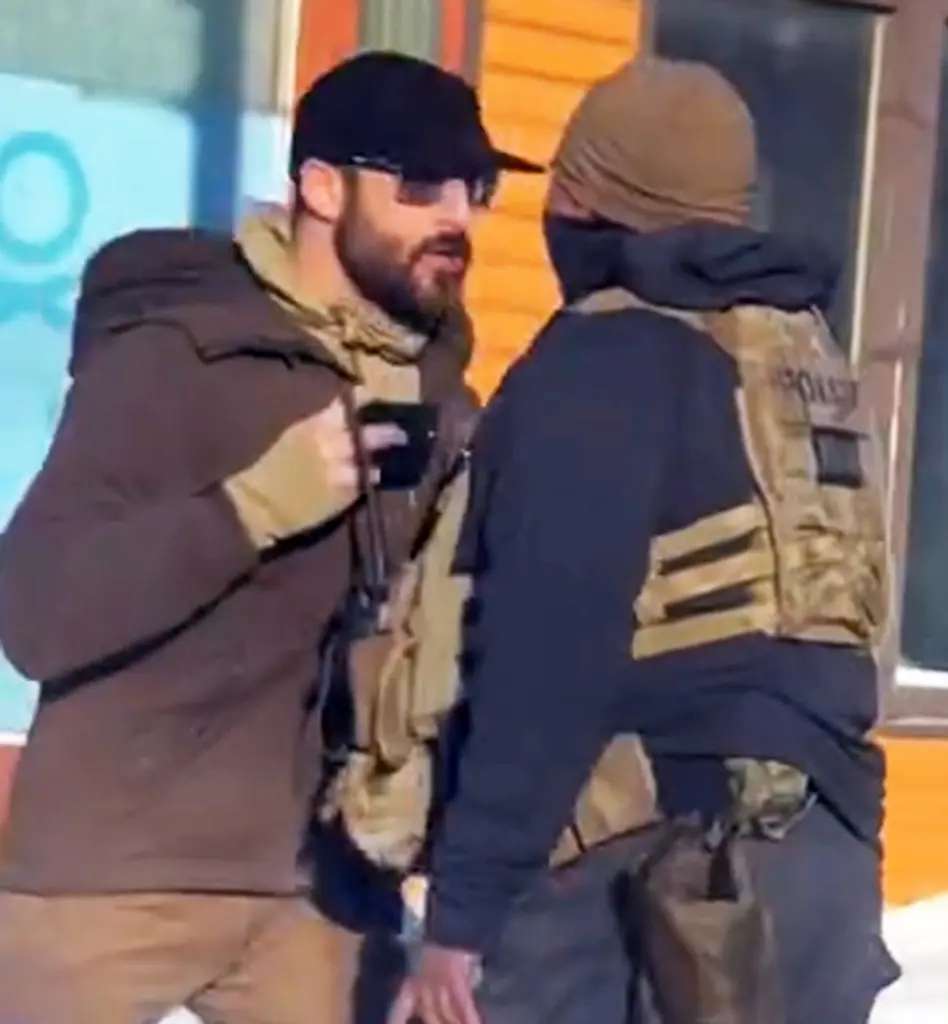
The newly reported incident allegedly began when Pretti encountered federal immigration agents while driving in Minneapolis. According to a source familiar with the matter, Pretti stopped his vehicle after observing agents chasing what he believed to be a family on foot. The source said Pretti began shouting and blowing a whistle in an apparent attempt to draw attention to the situation.
The same source claimed that several federal agents then restrained Pretti, tackling him to the ground. One agent allegedly leaned on his back during the struggle, which the source said resulted in a broken rib. According to the report, Pretti was later released at the scene without being arrested.
The details of that encounter have not been independently confirmed, and federal agencies have not publicly commented on the alleged injury. No body-camera footage or official reports from that earlier incident have been released.
Fatal Shooting Raises Questions
Pretti was killed days later during another encounter with federal agents amid ongoing immigration enforcement operations in Minneapolis. The Department of Homeland Security said Pretti approached Customs and Border Protection officers while carrying a 9mm semiautomatic handgun and two magazines.
Federal officials stated that officers attempted to disarm him and that he “violently resisted.” According to DHS, an agent fired what were described as defensive shots after fearing for his life and the safety of fellow officers. Pretti was pronounced dead at the scene.
Authorities did not specify whether Pretti brandished the weapon during the encounter. The Border Patrol agent who fired the fatal shots has been identified as an eight-year veteran of the agency.
Eyewitness accounts and video footage circulating publicly have raised questions about the official narrative. Some witnesses have said they did not see Pretti threaten officers, and his family has disputed claims that he acted violently.
Family and Community Reaction
Pretti’s family has described him as a deeply compassionate individual who was troubled by what he viewed as aggressive federal immigration tactics. They said he believed strongly in civil liberties and was disturbed by the impact enforcement operations were having on local communities.
Family members have called for transparency and accountability, urging investigators to examine not only the fatal shooting but also prior interactions Pretti may have had with federal agents.
The revelation that Pretti may have suffered a broken rib in an earlier encounter has further fueled calls for a broader review of federal enforcement practices in the city.
Political Fallout
The case has drawn sharp reactions from elected officials across the political spectrum.
Minnesota Governor Tim Walz criticized the Department of Homeland Security for releasing details and images related to the shooting before a full investigation had been completed. He said the information shared publicly, including photos of a firearm, was premature and risked shaping public perception before all facts were known.
Walz also questioned whether details about Pretti’s possession of a weapon were directly relevant to the circumstances surrounding his death, emphasizing the need for an independent and thorough investigation.
At the federal level, lawmakers have called for oversight hearings, while civil rights organizations have urged the Department of Justice to step in. Protests have continued across Minneapolis, with demonstrators demanding the removal of federal immigration agents from residential neighborhoods.
Broader Context of Enforcement Operations
The fatal shooting occurred amid an expanded federal immigration enforcement effort in Minnesota that has involved large numbers of ICE and CBP agents operating in coordination with, and sometimes independently of, local law enforcement.
Supporters of the operations argue they are necessary to address crime and enforce federal law. Critics contend they have led to unnecessary confrontations, undermined trust in law enforcement, and placed civilians at risk.
The death of Pretti, coupled with the earlier fatal shooting of another civilian during an enforcement action earlier this month, has intensified debate over whether the current approach is sustainable.
Investigations Ongoing
Multiple investigations are now underway, including reviews by Minnesota authorities and internal federal probes. Officials have said they are examining body-camera footage, eyewitness statements, forensic evidence, and the actions of all officers involved.
The report of a prior injury sustained during an earlier encounter may broaden the scope of those investigations, as officials seek to determine whether there was a pattern of escalation or excessive force.
Federal agencies have pledged cooperation but have cautioned that the information released so far is preliminary.
A Community on Edge
In Minneapolis, the case has left the community deeply divided and on edge. Protests have drawn thousands into the streets, while clashes between demonstrators and law enforcement have led to property damage and arrests.
Community leaders have warned that trust between residents and federal authorities has eroded significantly, raising concerns about further unrest if accountability questions are not addressed.
As investigations continue, Pretti’s death — and now reports of a prior injury involving federal agents — has become a flashpoint in the national conversation over immigration enforcement, civil liberties, and the use of force by federal officers.
For many in Minneapolis and beyond, the unresolved questions surrounding the case underscore broader tensions over how immigration laws are enforced and at what cost.

James Jenkins is a celebrated Pulitzer Prize-winning author whose work has reshaped the way readers think about social justice and human rights in America. Raised in Atlanta, Georgia, James grew up in a community that instilled in him both resilience and a strong sense of responsibility toward others. After studying political science and creative writing at Howard University, he worked as a journalist covering civil rights issues before dedicating himself fully to fiction. His novels are known for their sharp, empathetic portraits of marginalized communities and for weaving personal stories with broader political realities. Jenkins’s breakout novel, Shadows of Freedom, won national acclaim for its unflinching look at systemic inequality, while his more recent works explore themes of identity, resilience, and the fight for dignity in the face of oppression. Beyond his novels, James is an active public speaker, lecturing at universities and participating in nonprofit initiatives that support literacy and community empowerment. He believes that storytelling is a way to preserve history and inspire change. When not writing, James enjoys jazz music, mentoring young writers, and traveling with his family to explore cultures and stories around the world.