


President Donald Trump on Tuesday publicly stood by Homeland Security Secretary Kristi Noem, issuing a defiant defense of her leadership amid escalating outrage over a deadly immigration enforcement operation in Minnesota that has triggered bipartisan concern and renewed calls for her removal.
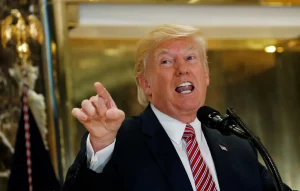
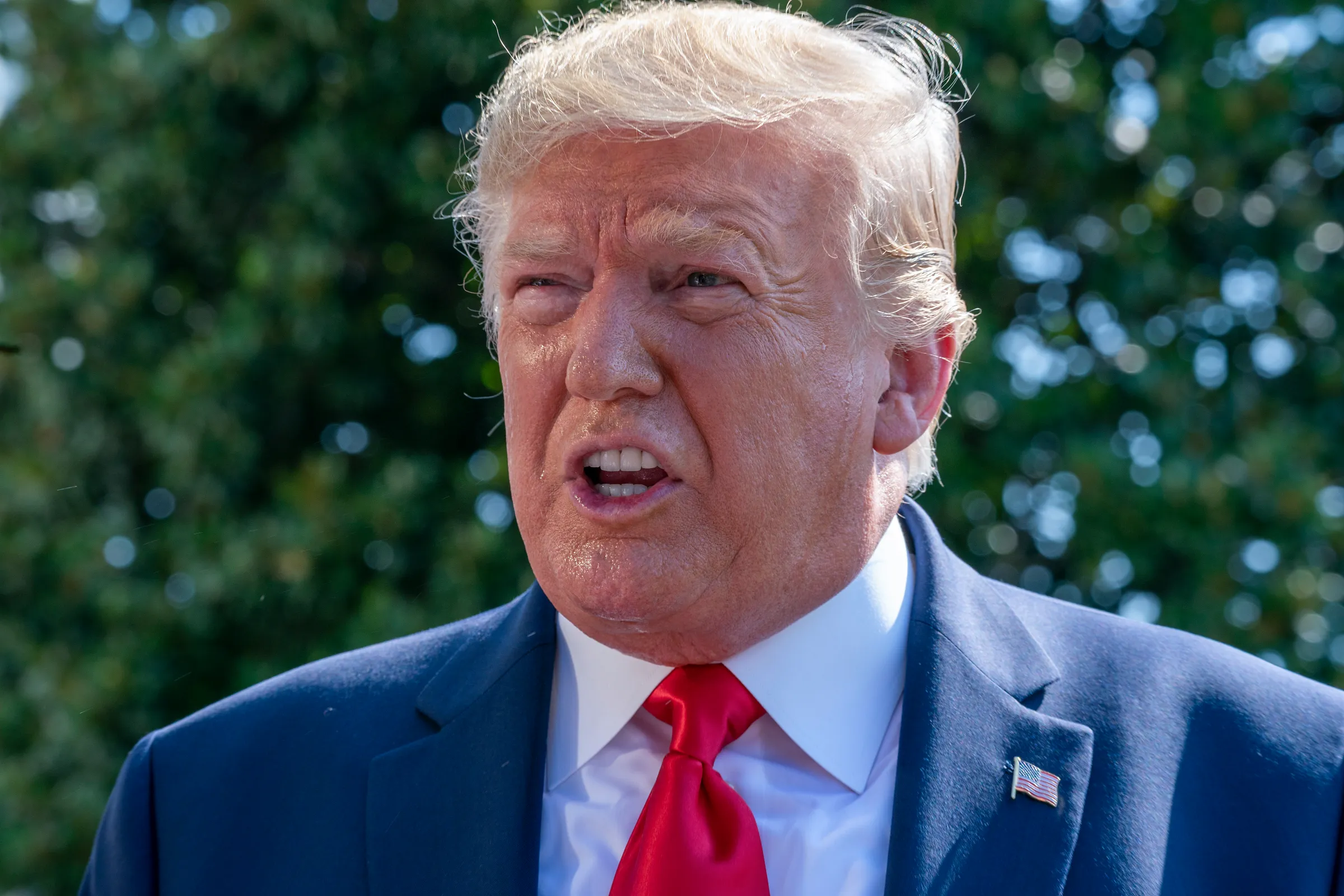
“I think she’s doing a very good job,” Trump told reporters outside the White House before boarding Marine One. “The border is totally secure. We had a border that we inherited where millions of people were coming through. Now we have a border where no one is coming through.”
The president’s remarks come as Noem faces intensifying scrutiny following the fatal shooting of Alex Pretti, a 37-year-old VA nurse, during a targeted immigration enforcement operation in Minneapolis over the weekend. The incident has ignited protests, sparked a congressional investigation, and fractured political support around the administration’s aggressive interior enforcement strategy.
While Trump publicly expressed confidence in Noem, behind-the-scenes tensions within the administration appear to tell a more complicated story.
According to reports, Trump privately rebuked Noem on Monday after she referred to Pretti as a “domestic terrorist” during a post-shooting press conference. The characterization reportedly angered the president, who questioned her judgment during a closed-door Oval Office meeting attended by White House Chief of Staff Susie Wiles late Sunday.
In a significant shift, the administration has since reassigned Noem away from domestic immigration enforcement operations. She has now been dispatched to focus on securing the southern border, while longtime Trump ally and Noem rival Tom Homan has been parachuted into Minnesota to oversee the deteriorating situation on the ground.
The move has fueled speculation that Noem’s authority within the Department of Homeland Security has been curtailed, even as the White House insists her position remains secure.
Political Fallout Intensifies
The political consequences of the Minnesota operation have been swift and severe. House Democrats have launched a formal investigation into Noem’s leadership, while more than 140 Democratic lawmakers have co-sponsored articles of impeachment accusing her of abuse of power, obstruction of Congress, and violations of public trust.
The impeachment resolution alleges that Noem engaged in self-dealing and failed to properly oversee enforcement actions that resulted in civilian deaths. While impeachment faces long odds in a divided Congress, the scale of Democratic support underscores the depth of outrage surrounding the incident.
Notably, concern over Noem’s handling of the situation is no longer confined to the left.
Several prominent Republicans have publicly expressed alarm that the Minnesota crackdown may have gone “off the rails.” Texas Governor Greg Abbott and Kentucky Representative James Comer have both voiced unease about the optics and execution of the operation, signaling discomfort within Trump’s own party.
Senator Rand Paul has also stepped into the fray, calling for testimony from top immigration officials at a February 12 Senate hearing. Those summoned include Customs and Border Protection Commissioner Rodney Scott, U.S. Citizenship and Immigration Services Director Joseph Edlow, and Acting ICE Director Todd Lyons.
Noem herself is scheduled to testify before the Senate on March 3 as part of routine oversight, though the hearing is now expected to focus heavily on the Minnesota shootings and DHS decision-making.
Protests and Public Unrest
On the ground, tensions in Minneapolis remain high. Federal agents deployed tear gas against demonstrators Sunday evening outside a hotel believed to be housing ICE officers, further inflaming public anger and drawing national attention to the operation.
The unrest follows not only Pretti’s killing but also the earlier death of Renee Good, an anti-ICE protester who was fatally shot on January 7. Together, the incidents have sharply eroded public confidence in DHS leadership and intensified scrutiny of enforcement tactics.
Critics argue the administration’s immigration policy has drifted from border security into aggressive interior operations that risk civilian lives and escalate confrontations with protesters.
Supporters counter that enforcement actions are necessary to maintain law and order and deter illegal immigration, echoing the president’s insistence that border crossings have plummeted under his leadership.
Polling Shows Steep Decline in Support
Public opinion data suggests Noem’s political standing has suffered substantial damage.
According to the latest Daily Mail/JL Partners poll, conducted January 26 among more than 1,000 registered voters, Noem’s approval rating has dropped to just 33 percent, down from 37 percent last month before the shootings.
Her disapproval rating has climbed to 41 percent, up from 37 percent in December.
Perhaps most strikingly, nearly half of respondents—46 percent—said they believe Noem should be impeached, while 42 percent said President Trump should fire her outright. The poll carries a margin of error of 3.1 percent.
The data underscores a growing perception that Noem has lost control of her department at a moment when immigration remains one of the most politically charged issues facing the administration.
White House Walks a Fine Line
Trump’s public defense of Noem appears calibrated to project unity while preserving flexibility behind the scenes. By praising her work on border security while quietly sidelining her from domestic enforcement, the president may be seeking to contain political damage without conceding error.
The decision to elevate Tom Homan—a hardline enforcer with deep credibility among Trump’s base—signals an effort to stabilize the situation in Minnesota while insulating the White House from further fallout.
Still, the episode exposes internal fractures within the administration over messaging, strategy, and accountability, particularly as immigration once again dominates headlines.
Whether Noem can recover politically remains uncertain. While her job may be safe for now, the convergence of congressional investigations, declining poll numbers, bipartisan concern, and sustained public protests suggests her tenure has entered a precarious phase.
As Trump doubles down on his immigration record heading into a critical political stretch, the fate of his Homeland Security secretary may ultimately hinge not on loyalty—but on whether the crisis continues to escalate.

Emily Johnson is a critically acclaimed essayist and novelist known for her thought-provoking works centered on feminism, women’s rights, and modern relationships. Born and raised in Portland, Oregon, Emily grew up with a deep love of books, often spending her afternoons at her local library. She went on to study literature and gender studies at UCLA, where she became deeply involved in activism and began publishing essays in campus journals. Her debut essay collection, Voices Unbound, struck a chord with readers nationwide for its fearless exploration of gender dynamics, identity, and the challenges faced by women in contemporary society. Emily later transitioned into fiction, writing novels that balance compelling storytelling with social commentary. Her protagonists are often strong, multidimensional women navigating love, ambition, and the struggles of everyday life, making her a favorite among readers who crave authentic, relatable narratives. Critics praise her ability to merge personal intimacy with universal themes. Off the page, Emily is an advocate for women in publishing, leading workshops that encourage young female writers to embrace their voices. She lives in Seattle with her partner and two rescue cats, where she continues to write, teach, and inspire a new generation of storytellers.