




A major home furnishings retailer is entering the final phase of its operations after decades of serving communities across the eastern United States. The company, which has been a staple in households seeking affordable furniture, has begun liquidation sales at all of its remaining stores, marking the end of an era in the retail sector. Customers and industry observers alike are watching closely as the closures unfold, signaling a significant shift in the home furnishings market.
The liquidation process follows court approval obtained by a joint venture of restructuring firms, allowing the retailer to sell off inventory and close locations in an orderly manner. The move comes after the company filed for Chapter 11 bankruptcy protection, citing ongoing economic pressures that have reshaped consumer spending and strained retailers in the furniture industry.
For shoppers, the closures present a rare opportunity. Stores are offering significant discounts on a wide range of products, including living room, dining room, and bedroom furniture, as well as home décor, lighting, rugs, and mattresses. Discounts are expected to reach up to 50% off original prices, creating high demand among customers who have long associated the retailer with value and variety.
The company’s decision to liquidate all locations was influenced by prolonged economic headwinds. Rising material costs, inflationary pressures, and changes in consumer purchasing habits—particularly the shift toward online shopping—have contributed to the financial strain on traditional brick-and-mortar furniture retailers. Despite decades of success, the retailer determined that a full liquidation offered the most viable path for stakeholders and employees.
Industry analysts note that the closures reflect broader trends within the home furnishings sector. Many mid-sized regional chains have struggled to compete with e-commerce giants, big-box retailers, and changing consumer expectations. While some companies have pivoted successfully to online platforms or hybrid models, others have found that longstanding operational structures are difficult to sustain under current market conditions.
Early reports from affected store locations indicate that customers are responding to the sales with high interest. Inventory levels remain strong at the beginning of the clearance events, but officials warn that the combination of limited timeframes and deep discounts will likely result in rapid sellouts of popular items. Employees at multiple stores have reported a steady stream of shoppers eager to take advantage of the markdowns, underscoring the strong brand loyalty the retailer has cultivated over decades.
The bankruptcy proceedings themselves were conducted under Section 363 of the U.S. Bankruptcy Code, which allows companies to sell assets outside of the standard reorganization process. This approach is often used to maximize value for creditors while ensuring an orderly wind-down of operations. The company had secured approximately $50 million in debtor-in-possession financing to maintain operations during the bankruptcy process, ensuring that inventory could remain available for customers while the legal and financial restructuring took place.
Prior to the announcement of the nationwide liquidation, the company had already begun closing certain stores in select states. Locations in Tennessee and North Carolina, including four in Nashville and one in Charlotte, were among the first to implement storewide sales. These closures served as a precursor to the broader liquidation and allowed management to begin reducing inventory while preparing remaining stores for the same process.
Throughout its history, the retailer had been known for offering stylish furniture at accessible price points, often positioning itself as a reliable choice for families furnishing homes across multiple price ranges. Founded in 1948, the company had cultivated nearly eight decades of presence in local communities, establishing a reputation for both quality products and customer service. Employees and customers alike have expressed mixed emotions over the closures, reflecting both nostalgia and practical concern over the end of a long-standing retail option.
Industry observers highlight that the liquidation will have ripple effects on suppliers, regional economies, and the broader furniture market. Suppliers who had long relied on the company as a distribution channel may now face reduced orders, while local economies could experience job losses and decreased foot traffic in retail districts. At the same time, competitors may see an opportunity to capture market share in regions previously dominated by the retailer’s stores.
It is only at the midpoint of the announcement that the company name is fully confirmed: Value City Furniture, along with its parent company’s American Signature Furniture brand, is the entity conducting the liquidation. The closures affect 79 Value City Furniture stores across 13 states and 10 American Signature locations in Delaware and Florida. The announcement has been confirmed through corporate statements, court filings, and reporting by local media outlets.
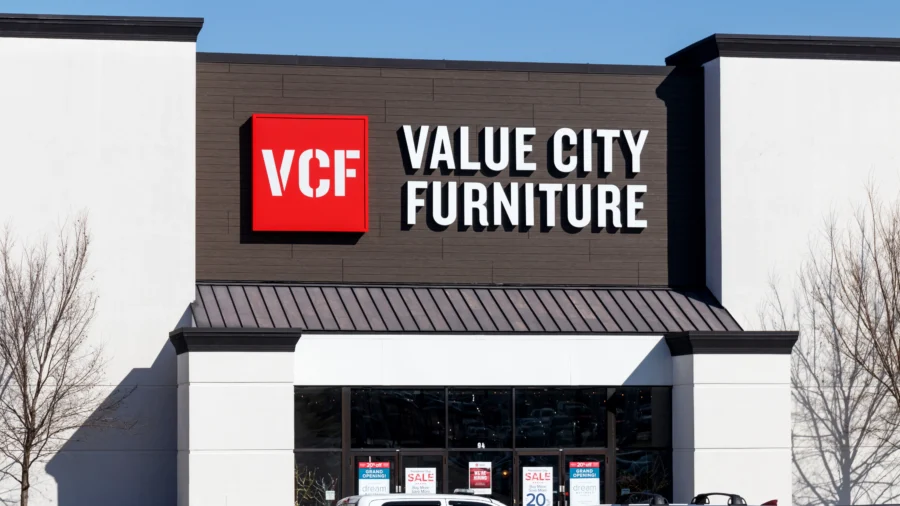
According to Aaron Miller, president of SB360, one of the restructuring firms overseeing the liquidation, the sale of inventory is expected to present “never-before-seen values” for customers, emphasizing both affordability and quality. Shoppers are encouraged to act quickly, as inventory will not be replenished and popular items may sell out within days of the sale’s commencement.
Bankruptcy filings indicated that the company had been exploring multiple options for maintaining operations prior to the decision to liquidate. The sale process included a competitive auction to assess potential buyers for the retailer’s assets and operations. Ultimately, the conclusion was that a full liquidation offered the best path forward under the prevailing economic conditions, allowing stakeholders to recover as much value as possible while winding down the business.
Commenting on the closure, Rudy Morando, co-chief restructuring officer for American Signature Inc., reflected on the company’s long history: “For nearly 75 years, American Signature has served as a family-owned furniture destination that communities could rely on to provide style, quality, and value. In the face of the ongoing macroeconomic headwinds that have impacted the entire home furnishing industry, the Company has carefully evaluated its options to assess the best path forward in the current operating environment.”
Customers visiting the stores during the early days of the clearance sales have reported a mix of emotions. Longtime patrons are taking advantage of the discounts, often purchasing items for new homes or upgrading existing furnishings. At the same time, employees and local residents are expressing sadness over the closure of stores that have been longstanding fixtures in their communities.
The affected locations span a broad geographic footprint, including Illinois, Indiana, Kentucky, Maryland, Michigan, Missouri, North Carolina, New York, Ohio, Pennsylvania, South Carolina, Virginia, West Virginia, Delaware, Florida, and Tennessee. The widespread nature of the closures underscores the scale of the decision and its impact on the eastern U.S. retail landscape.
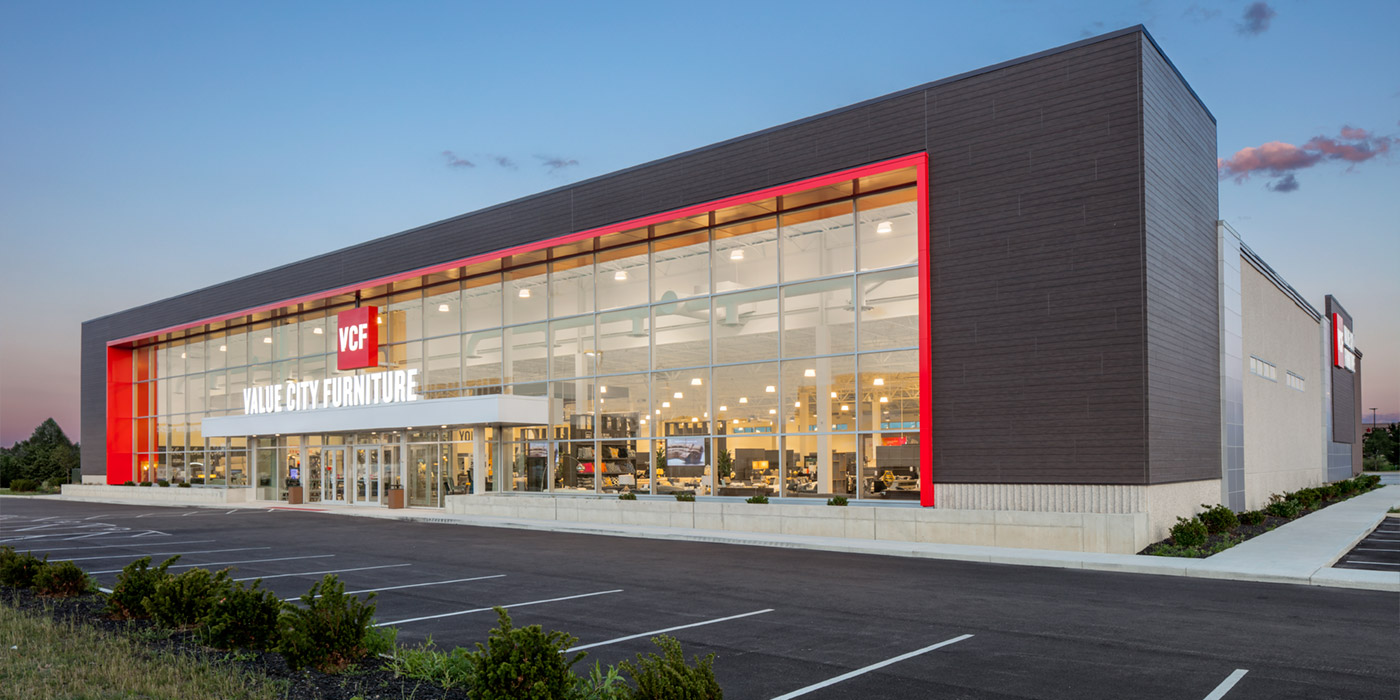
Financial analysts suggest that the closure of Value City Furniture and American Signature stores may signal further consolidation in the home furnishings sector, particularly for mid-sized regional chains. Companies that have relied primarily on brick-and-mortar sales may need to adapt quickly to survive, focusing on digital strategies, smaller footprint stores, or alternative revenue streams to remain competitive.
As the liquidation continues, customers are encouraged to visit stores early to take advantage of remaining inventory. With discounts projected at up to 50% off original prices, shoppers are likely to encounter both high demand and limited availability. The sales are expected to continue over the coming weeks as each store winds down operations and completes final transactions.
Ultimately, the closure of this longstanding retailer reflects both the challenges faced by traditional retail models and the evolving nature of consumer habits. While Value City Furniture and American Signature have provided nearly eight decades of service to communities, the economic realities of the modern marketplace, combined with rising costs and competitive pressures, have made it unsustainable to maintain operations.
For consumers, the liquidation represents a unique opportunity to acquire quality furniture at deeply discounted prices. For the broader industry, it serves as a reminder that adaptation is essential in a rapidly changing retail environment. And for employees and local communities, the closures mark the end of a significant chapter in the history of home furnishings retail in the United States.

Emily Johnson is a critically acclaimed essayist and novelist known for her thought-provoking works centered on feminism, women’s rights, and modern relationships. Born and raised in Portland, Oregon, Emily grew up with a deep love of books, often spending her afternoons at her local library. She went on to study literature and gender studies at UCLA, where she became deeply involved in activism and began publishing essays in campus journals. Her debut essay collection, Voices Unbound, struck a chord with readers nationwide for its fearless exploration of gender dynamics, identity, and the challenges faced by women in contemporary society. Emily later transitioned into fiction, writing novels that balance compelling storytelling with social commentary. Her protagonists are often strong, multidimensional women navigating love, ambition, and the struggles of everyday life, making her a favorite among readers who crave authentic, relatable narratives. Critics praise her ability to merge personal intimacy with universal themes. Off the page, Emily is an advocate for women in publishing, leading workshops that encourage young female writers to embrace their voices. She lives in Seattle with her partner and two rescue cats, where she continues to write, teach, and inspire a new generation of storytellers.