



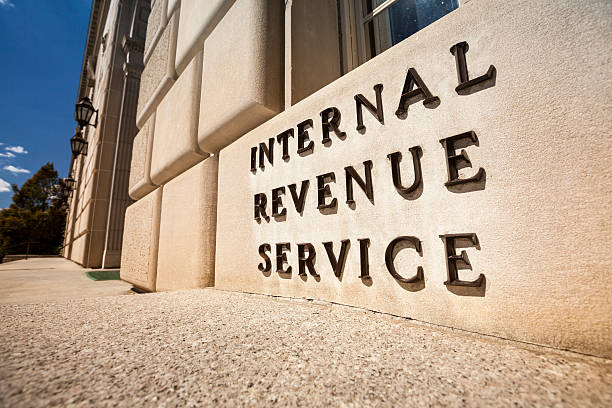
As the 2026 tax filing season officially approaches, the Internal Revenue Service is urging millions of Americans not to miss out on a valuable tax benefit that could significantly boost their refunds. In a statement released on Jan. 23, the agency emphasized the importance of claiming the Earned Income Tax Credit (EITC), a long-standing program designed to provide financial relief to low- and moderate-income workers and families.
The outreach effort coincides with the IRS’s annual EITC Awareness Day, an initiative aimed at reducing the number of eligible taxpayers who fail to claim the credit each year. According to the agency, roughly one in five taxpayers who qualify for EITC never claim it—leaving billions of dollars uncollected.
What the Earned Income Tax Credit Is—and Who Qualifies
The Earned Income Tax Credit is a refundable tax credit intended to support working Americans who earn modest incomes. Unlike deductions that merely reduce taxable income, refundable credits can increase a taxpayer’s refund even if they owe little or no federal income tax.
Eligibility for EITC depends on income level, filing status, and family size. Taxpayers may qualify if they have children, dependents, or certain disabilities, though some workers without children may also be eligible under specific income thresholds.
IRS officials say the credit plays a crucial role in helping families manage rising costs related to housing, food, childcare, and transportation.
“The Earned Income Tax Credit is vital to supporting working American families and rewarding them for their hard work,” IRS Chief Executive Officer Frank J. Bisignano said in the agency’s statement. “The IRS encourages every taxpayer who qualifies for the credit to claim the full amount they are due under the Internal Revenue Code.”
Billions Paid Out—But Millions Still Miss Out
Last year alone, approximately 23.5 million workers and families benefited from the EITC program. Those recipients collectively received about $68.5 billion in credits, translating to an average payment of $2,916 per household.
Despite those numbers, the IRS estimates that millions of eligible taxpayers still fail to claim the credit each year. Agency officials attribute the gap to a combination of confusion over eligibility rules, changes in income or family status, and misconceptions about filing requirements.
Some taxpayers mistakenly believe they are ineligible due to filing status, part-time employment, or gig work income. Others assume the credit is automatically applied, when in reality it must be claimed on a filed tax return.
Tools Available to Help Taxpayers Claim the Credit
To simplify the process, the IRS encourages taxpayers to use its online EITC Assistant tool, which helps individuals determine eligibility and estimate the amount they may receive. The tool walks users through a series of questions related to income, dependents, and filing status.
The agency also recommends electronic filing and direct deposit as the fastest and most secure way to receive refunds. According to the IRS, taxpayers who file electronically and choose direct deposit generally receive refunds significantly faster than those who file paper returns.
Refund Timeline for EITC and Child Tax Credit Filers
For taxpayers claiming the Earned Income Tax Credit or the Additional Child Tax Credit (ACTC), refund timing is subject to additional safeguards intended to prevent fraud. Federal law requires the IRS to hold refunds that include these credits until mid-February.
However, the agency provided updated guidance on when taxpayers can expect their money.
The IRS said it expects most early EITC or ACTC refunds to be available in bank accounts or on debit cards by March 2, 2026, provided the return is filed electronically, direct deposit is selected, and there are no issues with the filing. Some taxpayers may see funds sooner depending on their financial institution’s processing times.
The agency also noted that its “Where’s My Refund?” tracking tool will be updated with projected deposit dates for most early EITC and ACTC filers by Feb. 21, 2026.
Filing Season Dates and What to Expect
Earlier this month, the IRS announced that the 2026 filing season for 2025 tax returns will officially begin on Jan. 26. The deadline to file returns remains April 15.
Bisignano said the agency is fully prepared for the upcoming season.
“The IRS is ready to help taxpayers meet their tax filing and payment obligations during the 2026 filing season,” he said. “IRS information systems have been updated to incorporate the new tax laws and are ready to efficiently and effectively process taxpayer returns.”
The IRS expects to receive approximately 164 million individual income tax returns this year, a figure consistent with recent filing seasons.
Preparing to File: What Taxpayers Should Gather
To avoid delays or errors, the IRS recommends that taxpayers begin preparing now by organizing all necessary documents. These include:
-
Form W-2 from employers
-
Form 1099-K for gig or platform-based income
-
Form 1099-INT for interest income
-
Form 1099-DIV, pension, or retirement distribution forms
Having these records ready before filing can reduce mistakes and speed up refund processing.
New Deductions Under Recently Passed Tax Law
In addition to highlighting EITC, the IRS recently released new FAQs addressing changes introduced under the One Big Beautiful Bill, signed into law by President Donald Trump in July.
One key provision allows taxpayers to deduct qualified overtime compensation that exceeds their regular rate of pay for tax years 2025 through 2028. To qualify, the overtime pay must be properly reported on Form W-2 or Form 1099.
The FAQs explain how eligibility differs between tax year 2025 and subsequent years, helping taxpayers and employers comply with updated reporting requirements.
Military Payments Exempt From Federal Taxes
The IRS also confirmed that the one-time $1,776 “Warrior Dividend” paid to approximately 1.45 million U.S. service members in December 2025 is not subject to federal income tax.
Under U.S. tax law, certain military allowances qualify as “qualified military benefits” and are excluded from taxable income. As a result, service members who received the payment do not need to report it on their federal returns.
The announcement clarified lingering questions among military families and tax preparers ahead of filing season.
IRS Pushes Early Action
With filing season days away, the IRS is urging taxpayers to take advantage of available tools, file early, and ensure they claim every credit for which they qualify.
Officials stress that failing to claim the Earned Income Tax Credit is one of the most common—and costly—mistakes taxpayers make each year.
For millions of Americans, the credit can mean the difference between financial strain and a meaningful refund. And as the IRS makes clear, the money is there—but only if taxpayers take the steps to claim it.

Emily Johnson is a critically acclaimed essayist and novelist known for her thought-provoking works centered on feminism, women’s rights, and modern relationships. Born and raised in Portland, Oregon, Emily grew up with a deep love of books, often spending her afternoons at her local library. She went on to study literature and gender studies at UCLA, where she became deeply involved in activism and began publishing essays in campus journals. Her debut essay collection, Voices Unbound, struck a chord with readers nationwide for its fearless exploration of gender dynamics, identity, and the challenges faced by women in contemporary society. Emily later transitioned into fiction, writing novels that balance compelling storytelling with social commentary. Her protagonists are often strong, multidimensional women navigating love, ambition, and the struggles of everyday life, making her a favorite among readers who crave authentic, relatable narratives. Critics praise her ability to merge personal intimacy with universal themes. Off the page, Emily is an advocate for women in publishing, leading workshops that encourage young female writers to embrace their voices. She lives in Seattle with her partner and two rescue cats, where she continues to write, teach, and inspire a new generation of storytellers.