



A revered figure from British film and television has died at the age of 92, bringing to a close a career that spanned more than six decades and touched some of the most enduring productions in popular culture. The actor passed away peacefully last week after a short illness, while hospitalized and surrounded by close family and friends.
News of the death was confirmed through an online notice posted by a funeral home in southern France, where the actor had spent his later years. The announcement prompted an immediate outpouring of tributes from colleagues, friends, and admirers, many of whom remembered him not only for his work on screen, but for his warmth, artistic curiosity, and generosity away from the spotlight.
Though he never sought celebrity in the modern sense, the actor became instantly recognizable to audiences across generations. His presence—often authoritative, measured, and quietly commanding—made him a natural fit for roles of leadership, mentorship, and moral gravity. Whether appearing in period dramas, science fiction, or contemporary television, he brought a distinctive calm intelligence to every performance.
Born in Scotland in the early 1930s, he showed an early aptitude for the arts. Before pursuing acting professionally, he trained as a visual artist, studying at Edinburgh College of Art. Those close to him later recalled that this grounding in fine art shaped the way he approached acting—not merely as performance, but as craft.
His formal training continued in London, where he was accepted into the Royal Academy of Dramatic Art. There, he refined the disciplined technique that would underpin his long career. Unlike many actors of his era who chased stardom, he gravitated toward steady, meaningful work, building a résumé defined by consistency rather than flash.
His early television work included adaptations of classic literature, particularly stories drawn from the novels of Sir Walter Scott. These roles marked his breakthrough, establishing him as a reliable presence in serious drama at a time when British television was expanding rapidly and demanding actors capable of handling complex material.
Over the years, he became a familiar face on the BBC, appearing in a wide range of productions. He took on roles in historical dramas, long-running soaps, and genre-defining series, often portraying characters who carried moral weight or institutional authority. Even when his appearances were brief, they left a lasting impression.
It was not until the middle of his career, however, that he appeared in what would become his most internationally recognized role—one that introduced him to a global audience decades after his first performances.
That actor was Donald Douglas.
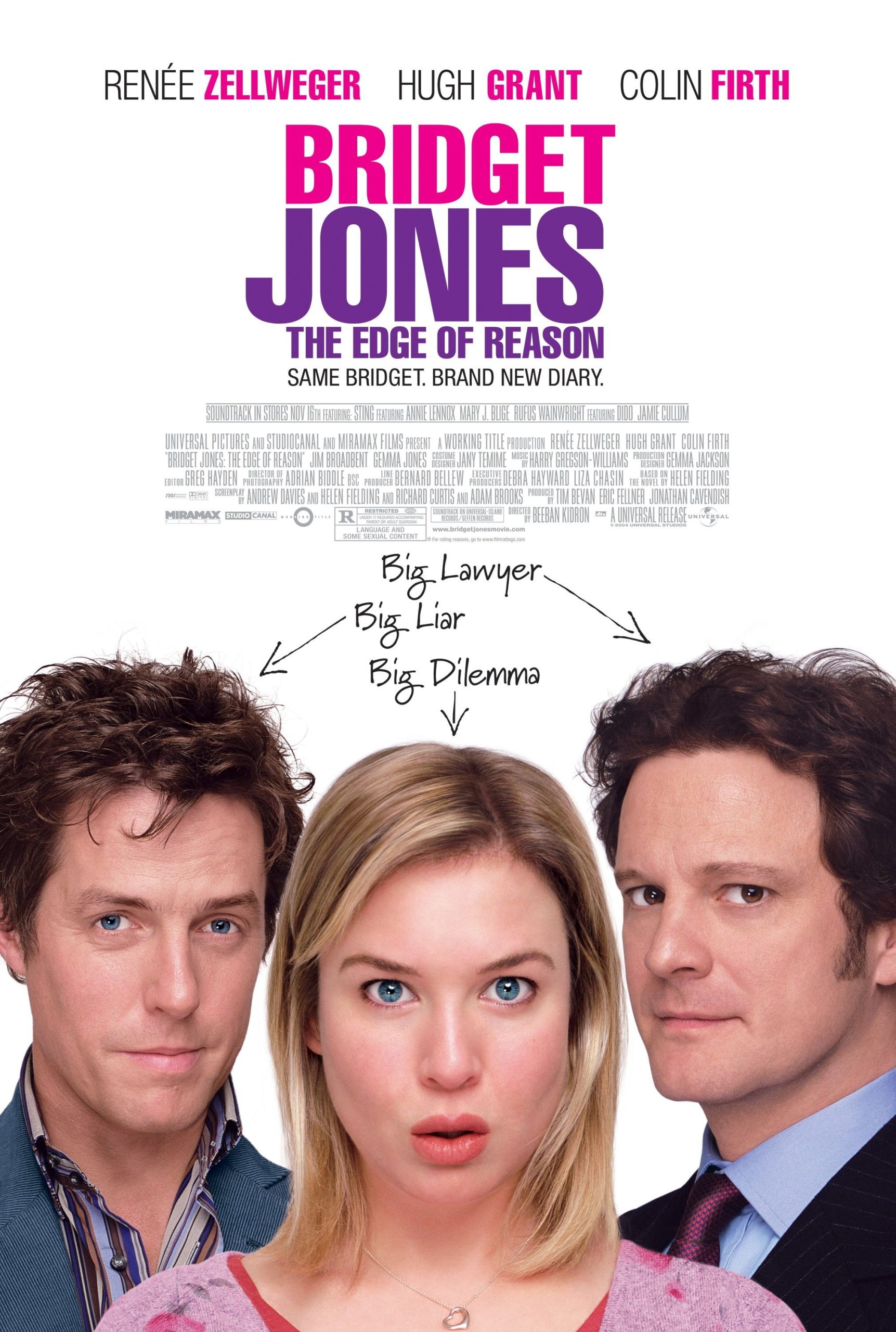
Douglas is perhaps best remembered by modern filmgoers for his role in the Bridget Jones film series, where he portrayed Admiral Darcy, the dignified father of Mark Darcy, played by Colin Firth. Though the role was supporting, Douglas brought depth and subtle humor to the character, embodying a generational contrast that resonated with audiences.
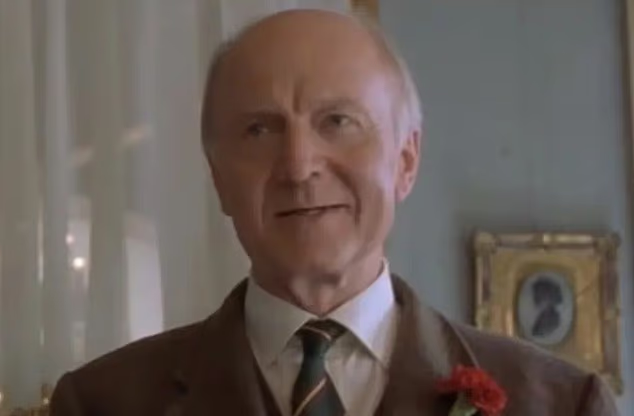
The Bridget Jones films introduced Douglas to a new wave of viewers who may not have been familiar with his extensive television background. For many, he became a symbol of understated British authority—a man whose raised eyebrow or measured pause conveyed as much as pages of dialogue.
Yet Douglas’s career extended far beyond that franchise. He appeared in iconic television series including Doctor Who, where he played the character Vural in the 1970s serial The Sontaran Experiment. His performance was widely praised for bringing emotional realism to a genre often dominated by spectacle.
He also featured prominently in Poldark, playing Captain Malcolm McNeil, a role that once again showcased his ability to inhabit period settings with authenticity and restraint. Later, he made a brief but memorable appearance in EastEnders, demonstrating his versatility even late into his career.
Away from the camera, Douglas lived a richly creative life. Friends described him as a gifted visual artist with a particular talent for sculpture and ceramics. He was known for his skill in ceramic restoration and often worked across multiple media, continuing to create well into his later years.
Those close to him spoke of his love for equestrian pursuits, gardening, and cooking. He was said to take great joy in hosting friends, preparing elaborate meals, and cultivating his home as a place of beauty and calm. His sense of humor, often described as impish and warm, made him a beloved companion as well as a respected professional.
After relocating to France later in life, Douglas remained engaged with the arts. Though his on-screen appearances became less frequent, he continued to act in theatrical productions and independent films, choosing projects that aligned with his personal values rather than commercial ambition.
His final known acting credit came in the 2021 drama Nobody Has to Know, where he appeared alongside Michelle Fairley and Bouli Lanners. Even in his late eighties, colleagues noted his focus, professionalism, and quiet passion for performance.
Douglas is survived by his wife, Emma Temple, their children—Amy, Liza, and Jodie—and five grandchildren. In the funeral notice announcing his death, the family requested privacy while expressing gratitude for the messages of support they had already received.
Tributes from the acting community reflected the deep respect he commanded. Friends and collaborators described him as a consummate professional and a deeply kind individual whose talents extended far beyond the roles he played.
One longtime friend remembered him as “an artist in the fullest sense of the word,” noting his curiosity, craftsmanship, and generosity. Another actor praised his ability to bring “weight and class” to every role, regardless of its size.
For audiences, Donald Douglas will be remembered as a steady presence across decades of British film and television—a performer whose work never demanded attention, yet consistently earned it. His legacy lies not in headline fame, but in the quiet excellence of a career devoted to craft, creativity, and integrity.
His death marks the passing of a generation of actors trained in the traditions of stage and screen, whose work formed the backbone of British storytelling for much of the twentieth century. While the industry continues to evolve, Douglas’s career stands as a reminder of the enduring power of restraint, discipline, and dedication to the art of acting.

Emily Johnson is a critically acclaimed essayist and novelist known for her thought-provoking works centered on feminism, women’s rights, and modern relationships. Born and raised in Portland, Oregon, Emily grew up with a deep love of books, often spending her afternoons at her local library. She went on to study literature and gender studies at UCLA, where she became deeply involved in activism and began publishing essays in campus journals. Her debut essay collection, Voices Unbound, struck a chord with readers nationwide for its fearless exploration of gender dynamics, identity, and the challenges faced by women in contemporary society. Emily later transitioned into fiction, writing novels that balance compelling storytelling with social commentary. Her protagonists are often strong, multidimensional women navigating love, ambition, and the struggles of everyday life, making her a favorite among readers who crave authentic, relatable narratives. Critics praise her ability to merge personal intimacy with universal themes. Off the page, Emily is an advocate for women in publishing, leading workshops that encourage young female writers to embrace their voices. She lives in Seattle with her partner and two rescue cats, where she continues to write, teach, and inspire a new generation of storytellers.