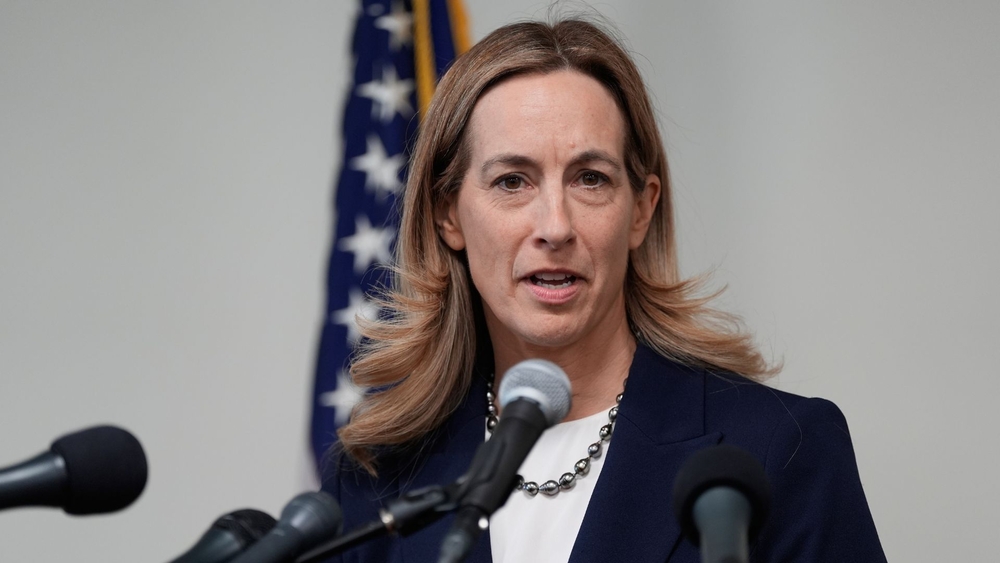
New Jersey is facing a critical electricity crisis, prompting newly inaugurated Governor Mikie Sherrill to declare a statewide emergency over the soaring costs and unreliable supply of power. In a move signaling her commitment to tackle the issue head-on, Sherrill issued two executive orders aimed at stabilizing rates, increasing accountability among utilities, and accelerating the development of new energy infrastructure.
The crisis has been driven by rapidly rising demand, particularly from the state’s growing network of data centers, which place heavy strain on the regional power grid. New Jersey is served by PJM, a 13-state grid operator, which has repeatedly struggled to guarantee adequate reserve capacity. Its most recent capacity auction failed to secure enough electricity to meet its own reliability standards, leaving the state exposed to potential brownouts, blackouts, and dramatic price spikes.
Sherrill’s executive orders are designed to provide both immediate relief and long-term solutions. Executive Order No. 1 freezes electricity supply rate increases and mandates a top-to-bottom review of utility costs, requiring greater transparency and accountability from power companies. Executive Order No. 2 focuses on expanding the state’s energy generation capabilities, including a rapid build-out of solar power, battery storage, and virtual power plants. The order also establishes a Nuclear Power Task Force and directs state agencies to fast-track all energy projects to prevent future shortages.
“The ongoing electricity affordability crisis in our State constitutes a state of emergency,” Sherrill wrote. “We must provide short-term relief and begin long-term reform.” These measures are consistent with the promises Sherrill made during her 2025 gubernatorial campaign, emphasizing the need for action to protect residents from escalating costs and potential service disruptions.
The governor highlighted the unprecedented pressures facing the grid. Residential electricity prices rose more than 33% between June 2023 and June 2025, while overall customer prices increased nearly 30%. PJM’s capacity costs surged by more than 800% in 2024, reflecting both rising demand and insufficient infrastructure. The growing proliferation of large, energy-intensive facilities, particularly data centers, has intensified these challenges.
A particular concern for Sherrill’s administration is the phenomenon of “ghost load,” in which utilities are presented with speculative or duplicative requests for interconnection from large power users. These phantom demands artificially inflate the projected capacity needs of the grid, driving prices higher and further straining the system. The governor has ordered regulators and utilities to investigate and eliminate such practices, protecting both businesses and residential consumers from unjustified costs.
Without swift intervention, experts warn that New Jersey’s electricity grid could face serious reliability issues during periods of peak demand. Sherrill’s orders note that the failure to rapidly add new generation capacity could force electric utilities to impose deliberate power restrictions or result in widespread brownouts and blackouts. The state’s vulnerability is particularly acute as demand is projected to increase by 20% by 2030, largely due to the continued expansion of data centers and other high-consumption facilities.
The administration is seeking immediate action to prevent further strain on the system. By prioritizing renewable energy projects, incentivizing battery storage, and establishing a Nuclear Power Task Force, the state aims to diversify its energy portfolio and reduce dependence on overtaxed traditional sources. This approach is intended to not only stabilize rates in the short term but also build resilience against future spikes in demand and extreme weather events that could threaten grid reliability.
Sherrill’s initiative is part of a broader strategy to modernize New Jersey’s energy infrastructure. By streamlining interconnection and permitting processes, the state hopes to accelerate the deployment of both conventional and renewable energy sources, increasing the overall capacity and flexibility of the grid. Virtual power plants, which aggregate distributed energy resources like rooftop solar and battery storage, are a key element of this plan, providing an innovative solution for balancing supply and demand in real time.
The stakes are high for residents and businesses alike. The current crisis has already had a significant economic impact, with rising electricity costs affecting households, small businesses, and large commercial operations. By freezing supply rates and ensuring more stringent oversight of utilities, the administration seeks to relieve immediate financial pressure while laying the groundwork for sustainable, long-term reform.
Experts have warned that the current situation is unprecedented. PJM’s failure to secure sufficient reserve capacity in recent auctions reflects both the structural challenges of the regional grid and the explosive growth of energy-intensive users. The grid’s vulnerabilities are particularly pronounced during periods of peak demand, when even minor disruptions can cascade into widespread service outages.
Governor Sherrill’s emergency declaration underscores the urgency of the situation. By framing the electricity supply crisis as a state of emergency, she is signaling that decisive, statewide action is required to protect consumers, prevent outages, and ensure the reliability of the power system. The administration is also emphasizing transparency and accountability, requiring utilities to provide detailed reporting on costs, infrastructure status, and interconnection requests.
The executive orders mark a significant shift in energy policy for New Jersey. They reflect a recognition that addressing rising electricity costs and ensuring reliable service will require both immediate interventions and long-term planning. By combining rate relief with strategic investments in generation and storage, the state hopes to create a more resilient, efficient, and equitable energy system.
Ultimately, Governor Sherrill’s first official acts as governor highlight the critical importance of energy security in a rapidly evolving economy. As New Jersey continues to attract data centers and other high-demand facilities, the pressure on the state’s electricity grid will only grow. The measures outlined in her executive orders aim to safeguard residents, protect businesses, and position New Jersey for a more sustainable and stable energy future.
With winter heating costs rising and extreme weather events becoming more frequent, the stakes could not be higher. Governor Sherrill’s proactive approach sets a clear precedent for other states facing similar challenges, emphasizing the need for bold leadership and rapid action to prevent systemic failures in energy infrastructure. By combining short-term relief with long-term planning, New Jersey hopes to address the root causes of the electricity crisis while shielding residents from further financial strain.
The declaration of a state of emergency, coupled with a freeze on electricity supply rates and a comprehensive strategy for energy expansion, signals that the administration is prepared to take all necessary steps to ensure the stability, reliability, and affordability of electricity for all New Jersey residents.

Emily Johnson is a critically acclaimed essayist and novelist known for her thought-provoking works centered on feminism, women’s rights, and modern relationships. Born and raised in Portland, Oregon, Emily grew up with a deep love of books, often spending her afternoons at her local library. She went on to study literature and gender studies at UCLA, where she became deeply involved in activism and began publishing essays in campus journals. Her debut essay collection, Voices Unbound, struck a chord with readers nationwide for its fearless exploration of gender dynamics, identity, and the challenges faced by women in contemporary society. Emily later transitioned into fiction, writing novels that balance compelling storytelling with social commentary. Her protagonists are often strong, multidimensional women navigating love, ambition, and the struggles of everyday life, making her a favorite among readers who crave authentic, relatable narratives. Critics praise her ability to merge personal intimacy with universal themes. Off the page, Emily is an advocate for women in publishing, leading workshops that encourage young female writers to embrace their voices. She lives in Seattle with her partner and two rescue cats, where she continues to write, teach, and inspire a new generation of storytellers.