



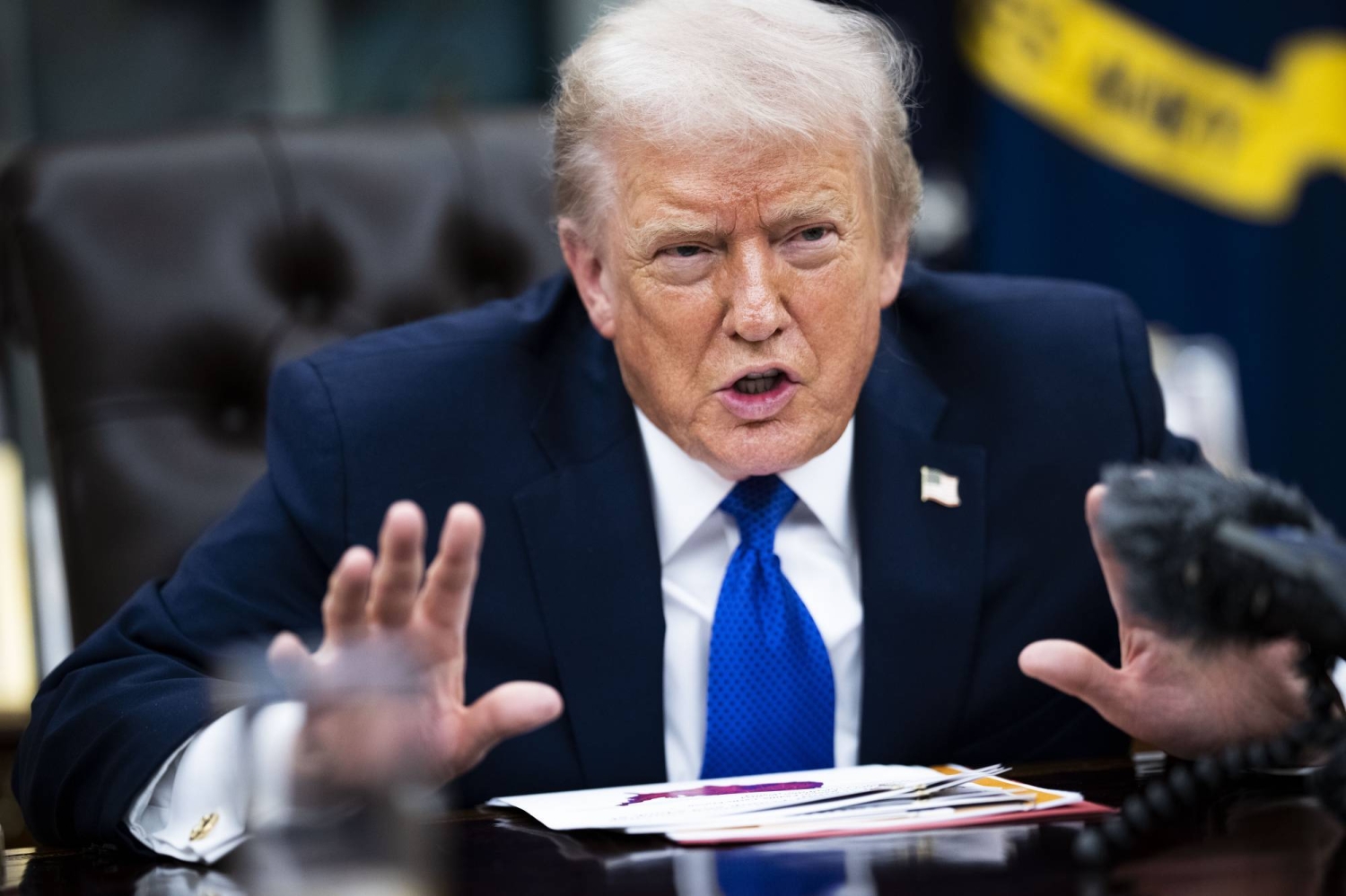
President Donald Trump said this week that he plans to pursue legal action against one of the nation’s largest financial institutions, alleging that the bank improperly restricted his access to banking services in the aftermath of the January 6, 2021, breach of the U.S. Capitol. The dispute has revived a broader national debate over so-called “debanking” and the extent to which financial institutions should be allowed to deny services based on perceived risk, public pressure, or reputational concerns.
The bank at the center of the dispute has rejected the allegation, stating that it does not close customer accounts because of political views and emphasizing its adherence to regulatory and risk-management standards. The developing conflict highlights ongoing tensions between federal policymakers and the financial sector, particularly as the administration continues to scrutinize practices that critics argue amount to political or ideological discrimination.
A Lawsuit Announced but Not Yet Filed
In a social media post published Friday, the president said he intends to file a lawsuit within the next two weeks, claiming that the bank removed or restricted his banking access following the events of January 2021. He characterized the alleged action as improper and politically motivated, linking it directly to the fallout from the Capitol breach and to his broader claims about the 2020 presidential election.
The president did not provide details regarding the specific accounts involved, the nature of the alleged restrictions, or the legal basis for the planned lawsuit. It also remains unclear whether the case would be filed in federal or state court, or whether it would focus on contract law, discrimination claims, or regulatory compliance.
Legal analysts note that public declarations of intent to sue do not always result in formal filings, but they often serve to apply pressure or frame a broader political argument ahead of potential litigation.
The Bank’s Response
In response to the president’s comments, a spokesperson for the bank said it would not discuss the details of individual client relationships but denied that political ideology plays any role in decisions to close or restrict accounts.
The spokesperson said the institution does not terminate accounts because of political beliefs and expressed support for recent administration efforts to address concerns about political debanking. The statement emphasized that the bank operates under a complex framework of regulatory obligations, risk assessments, and compliance standards that guide its decisions.
The bank did not confirm whether the president had been a client at the time in question or whether any changes to account access had occurred, citing confidentiality requirements.
A Broader Debate Over “Debanking”
The dispute comes amid heightened scrutiny of what critics call “debanking,” a term used to describe situations in which individuals or organizations are denied banking services, allegedly because of their political, religious, or ideological views rather than traditional financial risk factors.
Supporters of stronger oversight argue that access to banking is essential in modern society and that denying such access can effectively exclude individuals from economic participation. Opponents counter that banks must retain discretion to manage reputational risk, comply with regulations, and protect themselves from potential legal or financial exposure.
The issue gained prominence after January 2021, when some financial institutions reviewed relationships with individuals and groups linked to the Capitol breach. While banks cited compliance and risk considerations, critics argued that the actions amounted to collective punishment or viewpoint discrimination.
Executive Action and Regulatory Scrutiny
In August 2025, the president signed an executive order aimed at preventing banks from refusing services solely on the basis of political or religious beliefs. The order directed federal regulators to examine bank practices and outlined potential penalties for institutions found to be engaging in discriminatory account closures.
According to the White House at the time, banks that violate the directive could face fines, consent decrees, or other enforcement actions. The administration framed the move as a defense of civil liberties and economic fairness, arguing that financial access should not be contingent on ideology.
Supporters of the order praised it as a necessary safeguard, while critics warned that it could interfere with banks’ ability to manage legitimate risks and comply with existing laws.
Findings From Federal Oversight
In December, a federal watchdog agency released a report examining banking practices between 2020 and 2025. The report found that several large U.S. banks maintained public or internal policies that restricted access for certain industries or groups, often citing reputational concerns rather than explicit legal prohibitions.
The report noted that in some cases, sectors were restricted not because of direct violations of law but because of how providing services might be perceived by the public or regulators. While the report did not conclude that all such practices were unlawful, it raised questions about transparency and consistency.
The findings fueled further debate over where the line should be drawn between legitimate risk management and discriminatory exclusion.
High-Profile Claims and Personal Accounts
The president is not the only high-profile figure to claim he has been affected by debanking. Several conservative and religious organizations, as well as individual political figures, have said they were denied banking services in recent years without clear explanations.
Former Kansas Sen. Sam Brownback and the Indigenous Advance Ministries have both publicly stated that they encountered account closures or service denials they believe were motivated by ideology. Banks involved in those cases have generally cited internal policies and compliance obligations rather than political considerations.
First Lady Melania Trump also addressed the issue in her memoir, writing that a long-time bank terminated her account and declined to open one for her son. She described the experience as unexpected and troubling, framing it as an example of how financial decisions can have deeply personal consequences.
Disputed Reports and Clarifications
The controversy surrounding the president’s remarks has also touched on unrelated reports about discussions between administration officials and leaders in the financial sector. A recent report suggested that the president had offered the bank’s chief executive a senior role in the federal government, a claim the president publicly denied.
He said no such offer was made or contemplated and dismissed the report as inaccurate. The bank spokesperson later said the report stemmed from a miscommunication while responding to anonymous sourcing, acknowledging that the issue should have been addressed more carefully.
The clarification appeared to defuse that aspect of the controversy, though it underscored the sensitivity surrounding interactions between government officials and major financial institutions.
Legal and Practical Questions Ahead
If the president proceeds with a lawsuit, the case could raise complex legal questions about the rights and obligations of banks, the definition of political discrimination, and the limits of executive authority. Courts would likely examine contractual terms, regulatory requirements, and the factual circumstances surrounding any alleged account restrictions.
Experts note that proving political motivation in banking decisions can be challenging, particularly when institutions cite compliance obligations or risk assessments. At the same time, lawmakers and regulators continue to explore whether existing frameworks adequately protect individuals from arbitrary exclusion.
Regardless of the outcome, the dispute is likely to intensify scrutiny of bank policies and encourage further legislative or regulatory action.
A Symbolic Flashpoint
Beyond its legal implications, the president’s announcement has become a symbolic flashpoint in a larger cultural and political debate. For supporters, it represents resistance to what they see as institutional bias against certain viewpoints. For critics, it raises concerns about political pressure on private institutions.
As financial services become increasingly essential to daily life, the question of who controls access — and on what grounds — is likely to remain a contentious issue.
For now, the promised lawsuit remains unfiled, and both sides appear to be positioning themselves for a dispute that could extend well beyond the courtroom, shaping public policy and financial practices in the years ahead.

Emily Johnson is a critically acclaimed essayist and novelist known for her thought-provoking works centered on feminism, women’s rights, and modern relationships. Born and raised in Portland, Oregon, Emily grew up with a deep love of books, often spending her afternoons at her local library. She went on to study literature and gender studies at UCLA, where she became deeply involved in activism and began publishing essays in campus journals. Her debut essay collection, Voices Unbound, struck a chord with readers nationwide for its fearless exploration of gender dynamics, identity, and the challenges faced by women in contemporary society. Emily later transitioned into fiction, writing novels that balance compelling storytelling with social commentary. Her protagonists are often strong, multidimensional women navigating love, ambition, and the struggles of everyday life, making her a favorite among readers who crave authentic, relatable narratives. Critics praise her ability to merge personal intimacy with universal themes. Off the page, Emily is an advocate for women in publishing, leading workshops that encourage young female writers to embrace their voices. She lives in Seattle with her partner and two rescue cats, where she continues to write, teach, and inspire a new generation of storytellers.