


In an extraordinary and controversial development this week, the Federal Bureau of Investigation (FBI) executed a search warrant on the Virginia home of a Washington Post reporter, an action that has sparked heated debate across the United States about the balance between national security and press freedom. The search, which resulted in the seizure of the journalist’s electronic devices, was carried out as part of an ongoing federal investigation into the mishandling of classified government materials — but the ramifications extend far beyond the specifics of that inquiry.
The reporter whose home was searched is Hannah Natanson, a seasoned journalist known for her in-depth coverage of federal government operations, including reporting on civil service changes and internal federal workforce policies. On the morning of January 14, 2026, FBI agents appeared at Natanson’s residence in Virginia to carry out a court-authorized search warrant related to an investigation into a government contractor accused of retaining classified national defense information.
According to official statements and news reports, agents seized several items from Natanson’s home, including her personal and work laptops, her mobile phone, and even a smartwatch. The FBI clarified that Natanson herself is not currently considered a target of the investigation, which centers on the actions of a Pentagon contractor identified in court filings as Aurelio Perez-Lugones. Authorities say he has been charged with unlawful retention of national defense information, though he has not been publicly accused of disclosing it directly to the press.
What sets this case apart from typical leak investigations is the rare and aggressive nature of the action itself. Searches of journalists’ homes by federal agents are exceedingly uncommon in the United States. Historically, when law enforcement investigates potential leaks of classified material, they have relied on less intrusive methods such as subpoenas for phone records or email data. The decision to execute a search warrant, particularly without prior notice, has alarmed press freedom advocates and civil liberties groups.
Almost immediately after the raid, a coalition of more than 30 press freedom and civil liberties organizations — including the American Civil Liberties Union, the NewsGuild-CWA, PEN America, and the Committee to Protect Journalists — issued a joint statement condemning the search and calling for stronger legal protections for journalists. These groups argue that allowing federal agents to enter a reporter’s home and seize their materials poses a direct threat to the freedom of the press guaranteed by the First Amendment of the U.S. Constitution.
In their statement, the organizations emphasized that government intrusion into a reporter’s private space and professional tools can have a chilling effect on newsgathering and source confidentiality. They urged Congress to take action to clarify and fortify legal safeguards that protect journalists from similar searches in the future.
The Attorney General, who oversees the Department of Justice (DOJ), defended the FBI’s actions. In public remarks, she reiterated that the search was authorized by a judge and connected to an investigation into the handling of classified material that could pose risks to national security. She stated that the Justice Department and FBI “will not tolerate illegal leaks of classified information” especially when such leaks could endanger military personnel or national interest.
Supporters of the DOJ’s approach point out that national security leak investigations are inherently complex and sometimes require aggressive measures to protect sensitive information. They argue that when classified material is mishandled or distributed without authorization, it can threaten government operations and the safety of military and intelligence personnel. From this view, the search of a journalist’s home is justified if it is based on credible evidence and court approval.
Nevertheless, many legal experts, journalists, and civil liberties advocates are questioning whether the pursuit of national security should override traditional norms that protect press independence. One constitutional law professor noted that while the government has a legitimate interest in safeguarding sensitive information, it also has an obligation to ensure that enforcement does not undermine the essential role of a free press in a democratic society.
“The balance is delicate,” the professor said. “We must be vigilant in securing classified information, but we must also protect the rights of journalists to investigate and report on matters of public concern without fear that their private spaces will be subject to search by federal agents.”
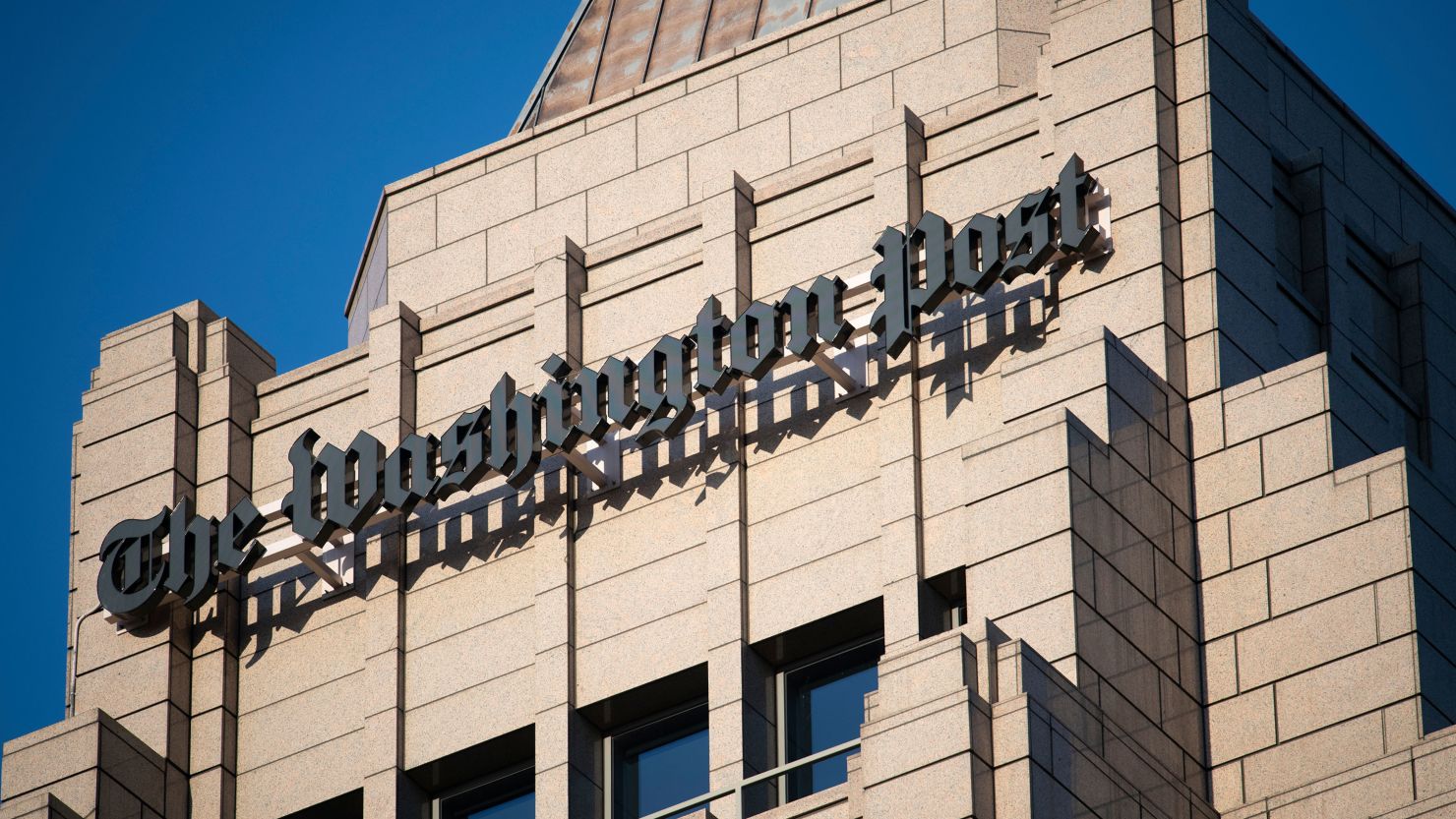
The Washington Post itself responded forcefully to the search. Executive Editor Matt Murray described the action as “extraordinary” and a potential threat to journalistic independence. He emphasized that neither Natanson nor the newspaper is a target of the investigation, and the decision to seize reporter materials was made without prior notice, a departure from typical DOJ practice.
Newsrooms across the country have been closely watching these events. Journalists from numerous outlets have expressed concern that the search could have a precedent-setting effect, making reporters more vulnerable to similar actions in the future. Some are now reassessing how they store and protect confidential information and considering additional digital security measures to safeguard their sources.
Critics also draw historical parallels to past government actions that raised free press concerns. Previous administrations have faced criticism for how they handled leak investigations, including subpoenaing reporters’ phone records or pressuring news organizations for source information. But the home search this week is widely seen as a much broader escalation.
Public reaction has been mixed, reflecting the broader national debate over the role of the media and government power. Some citizens support strong enforcement against leaks of classified information, especially when national security interests are at stake. Others see this as a dangerous step toward government intimidation of journalists that could suppress investigative reporting and weaken transparency.
The DOJ’s move also highlights the evolving legal landscape around press protections. During previous administrations, policies were put in place to limit the government’s ability to seize journalists’ records without notice. These protections were later rescinded, allowing for more expansive use of search powers in leak investigations. This shift underscores ongoing tensions between law enforcement strategies and civil liberties.
As the legal process continues, questions remain about how the courts will handle the materials seized and what long-term effects this event will have on both press freedom and government investigations. A federal judge authorized the search warrant in this case, but the justification for that approval remains under seal, leaving observers to speculate about the underlying evidence and legal rationale.
For now, the search has ignited a broader conversation about the balance between national security interests and constitutional protections. It has prompted lawmakers, press advocates, and the public to reconsider how best to protect sensitive information without eroding fundamental democratic principles.
Ultimately, this rare and controversial FBI raid may prove to be a defining moment in the ongoing debate over government power, press freedom, and the rights and responsibilities of journalists in the digital age.

Emily Johnson is a critically acclaimed essayist and novelist known for her thought-provoking works centered on feminism, women’s rights, and modern relationships. Born and raised in Portland, Oregon, Emily grew up with a deep love of books, often spending her afternoons at her local library. She went on to study literature and gender studies at UCLA, where she became deeply involved in activism and began publishing essays in campus journals. Her debut essay collection, Voices Unbound, struck a chord with readers nationwide for its fearless exploration of gender dynamics, identity, and the challenges faced by women in contemporary society. Emily later transitioned into fiction, writing novels that balance compelling storytelling with social commentary. Her protagonists are often strong, multidimensional women navigating love, ambition, and the struggles of everyday life, making her a favorite among readers who crave authentic, relatable narratives. Critics praise her ability to merge personal intimacy with universal themes. Off the page, Emily is an advocate for women in publishing, leading workshops that encourage young female writers to embrace their voices. She lives in Seattle with her partner and two rescue cats, where she continues to write, teach, and inspire a new generation of storytellers.