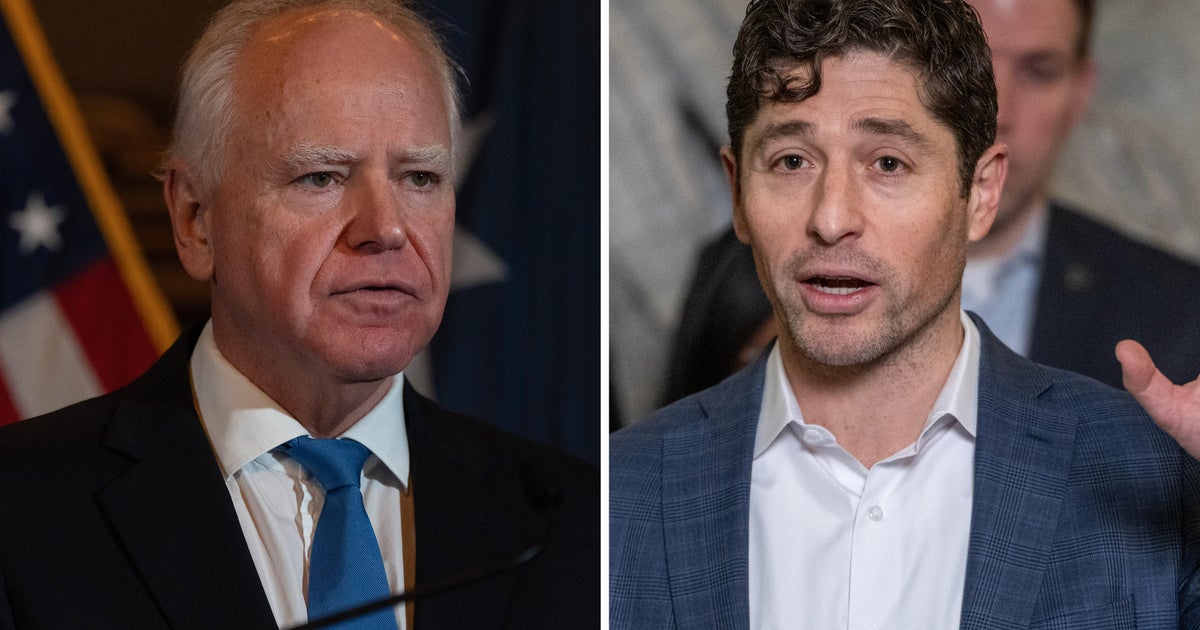
The Justice Department has launched a formal investigation into Minnesota officials, including Governor Tim Walz and Minneapolis Mayor Jacob Frey, over allegations that they conspired to impede federal immigration agents, multiple sources familiar with the matter told CBS News. The move marks a dramatic escalation in the Trump administration’s ongoing conflict with Democratic leadership in Minnesota, coming amid heightened tensions surrounding a large-scale federal immigration enforcement operation in the Twin Cities.
The investigation stems from statements and public comments made by Walz and Frey regarding the deployment of nearly 3,000 Immigration and Customs Enforcement (ICE) and U.S. Border Patrol agents in Minneapolis and the surrounding metropolitan area. According to the Department of Homeland Security (DHS), the operation is the largest in the agency’s history and is aimed at arresting individuals suspected of being in the country illegally, as well as investigating alleged fraud in Minnesota. DHS has described the effort as targeting the “worst criminal illegal aliens” and those involved in serious gang activity, asserting that these individuals threaten public safety.
The unprecedented federal presence has triggered widespread backlash from local residents and officials. Large-scale protests have erupted in Minneapolis, with demonstrators voicing opposition to the federal agents’ tactics, arguing that their presence has escalated tensions and endangered local communities. The situation intensified following the January 7 fatal shooting of Renee Nicole Good, a 37-year-old Minneapolis mother, by ICE officer Jonathan Ross. Good, who was in her vehicle with her child and spouse, was shot during what federal authorities described as an attempt to prevent obstruction of agency operations. Video footage, however, raised questions about the circumstances of the shooting, showing Good attempting to drive away as officers confronted her.
Governor Walz and Mayor Frey have been outspoken critics of the federal operation, denouncing the heavy-handed tactics used by ICE and asserting that the presence of thousands of federal agents in the city has created an unsafe environment for residents. Walz has repeatedly urged Minnesotans to maintain peaceful protests and avoid actions that could escalate tensions. In a statement issued earlier this week, he cautioned citizens not to “fan the flames of chaos” and emphasized that violence or obstruction of federal operations would only worsen the situation.
Mayor Frey has echoed similar concerns, describing the federal presence as “not sustainable” and noting that local police forces are insufficient to manage the situation. “We’re in a position right now where we have residents that are asking the very limited number of police officers that we have to fight ICE agents on the street,” Frey said. “We cannot be at a place right now in America where we have two governmental entities that are literally fighting one another.” Both officials have highlighted the strain placed on local law enforcement and have stressed the importance of protecting civilians while balancing the enforcement of federal law.
Homeland Security Secretary Kristi Noem has publicly criticized the Minnesota leaders for their statements, asserting that Walz and Frey “perpetuated” violence directed at federal officers and encouraged obstruction of official duties. Noem characterized such actions as federal crimes and said state and local leaders have an obligation to ensure that demonstrations remain peaceful and do not impede the operations of federal agents. Deputy Attorney General Todd Blanche referenced the investigation in a cryptic post on social media, stating: “Walz and Frey—I’m focused on stopping YOU from your terrorism by whatever means necessary. This is not a threat. It’s a promise.”
At the heart of the investigation is federal statute 18 U.S.C. § 372, which criminalizes conspiracies to prevent federal officers from performing their duties through “force, intimidation, or threats.” Historically, the statute has been used in cases involving coordinated efforts to obstruct federal officials, particularly when accompanied by credible threats or acts of violence. While public criticism of government operations generally constitutes protected speech under the First Amendment, statements or actions that involve coordination or direct efforts to prevent federal officers from carrying out their responsibilities may fall within the scope of criminal liability.
The Justice Department’s inquiry is unusual in its targeting of elected officials. Legal experts note that while federal statutes make it clear that impeding federal operations is a crime, investigations involving sitting governors and mayors raise sensitive questions about the separation of powers and the boundaries between political speech and criminal conduct. If the department pursues charges, the case could set a precedent for how far the federal government can go in holding state and local officials accountable for statements that allegedly interfere with federal law enforcement operations.
The federal investigation coincides with one of the most aggressive immigration enforcement operations in recent history. Since the operation began, federal agents have arrested more than 2,500 individuals in Minnesota, many of whom have prior criminal records, according to ICE. Officials have emphasized that the operation targets “the worst of the worst offenders,” including gang members, violent criminals, and individuals involved in organized crime. DHS has defended the deployment as essential for public safety, arguing that removing dangerous individuals from communities is a necessary component of federal law enforcement.
Nevertheless, the operation has drawn criticism from a broad spectrum of Minnesota residents and civic leaders. Local activists have organized protests that, at times, have turned confrontational, with federal agents using crowd-control measures such as tear gas and pepper balls to disperse demonstrators. Civil liberties organizations have expressed concern about the militarized nature of the deployment and the potential for abuses, highlighting the need for oversight and transparency in federal law enforcement activities.
The tragic death of Renee Good has intensified public scrutiny of ICE operations in Minneapolis. Good, a mother of three, was reportedly attempting to drive away from federal officers when she was shot multiple times by ICE officer Jonathan Ross. The incident prompted national outrage and renewed debate over the tactics used by federal agents in domestic enforcement operations. Good’s family has described her as a devoted parent and community member, highlighting the human cost of aggressive immigration enforcement. Legal representatives for the family have indicated that they intend to pursue further action, although federal prosecutors have announced no formal investigation into the officer involved.
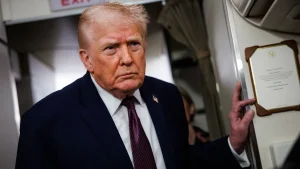
The DOJ inquiry into Walz and Frey comes as President Donald Trump has signaled strong support for aggressive action against perceived obstruction of federal operations. Trump previously threatened to invoke the Insurrection Act, a 1792 statute granting the president authority to deploy military forces domestically in response to insurrections or civil disorder. The president argued that Minnesota officials were failing to control protests and that federal agents were being unfairly targeted, framing the deployment as necessary to maintain law and order. While invoking the Insurrection Act is historically rare, the threat underscores the high stakes and tension surrounding federal-state relations in the current operation.
The political implications of the investigation are significant. Minnesota is a key battleground state, and the conflict between federal immigration authorities and Democratic state and city leaders has become a flashpoint for national debates over federal overreach, public safety, and civil liberties. Republicans have largely framed the situation as evidence of lawlessness and a failure of state leadership, while Democrats argue that the federal government is overstepping its authority and endangering residents through a heavy-handed approach. The DOJ investigation into Walz and Frey amplifies these partisan divisions, raising questions about accountability, governance, and the limits of political dissent.
Legal experts caution that the investigation must navigate a complex landscape of constitutional and statutory considerations. While the First Amendment protects political speech and criticism of government action, it does not shield coordinated efforts to interfere with federal law enforcement. Prosecutors would need to establish evidence of intentional coordination or conspiracy aimed at preventing ICE agents from performing their duties. Any charges brought against sitting officials could spark significant legal challenges and scrutiny from courts regarding jurisdiction, intent, and the balance of state and federal authority.
Observers note that the investigation also intersects with broader national discussions about immigration enforcement, federal authority, and the role of local governments in protecting communities. The high-profile nature of the Minneapolis operation, combined with widespread media coverage and public protests, has turned the city into a focal point for debates on immigration policy, policing, and civil liberties. How the DOJ proceeds could influence similar disputes in other states, particularly where local officials have publicly opposed federal enforcement actions.
As the situation develops, residents of Minneapolis and Minnesota at large face an ongoing period of uncertainty. The presence of thousands of federal agents, ongoing protests, and the potential for legal action against state and local leaders have created a tense environment. City officials, community leaders, and advocacy groups continue to call for dialogue, de-escalation, and transparency in federal operations to prevent further violence and disruption.
In summary, the Justice Department’s investigation into Governor Tim Walz and Mayor Jacob Frey over alleged conspiracy to impede federal immigration agents represents a highly unusual legal and political development. It highlights the complex interplay between federal authority and state and local governance, raising questions about the limits of political speech, the application of federal statutes, and the potential consequences of publicly opposing federal law enforcement operations. Against the backdrop of an aggressive ICE operation, nationwide attention to Renee Good’s tragic death, and heightened partisan tensions, the inquiry underscores the intense scrutiny faced by elected officials navigating the intersection of law enforcement, civil liberties, and public accountability.
As legal proceedings, protests, and federal enforcement continue, Minnesota remains a focal point of national debate over immigration, federal authority, and the balance between government oversight and local autonomy. The outcome of the DOJ investigation could have far-reaching implications for elected officials, residents, and federal-state relations, setting a precedent for how the federal government addresses claims of obstruction and resistance from state and local leaders in the years ahead.

Emily Johnson is a critically acclaimed essayist and novelist known for her thought-provoking works centered on feminism, women’s rights, and modern relationships. Born and raised in Portland, Oregon, Emily grew up with a deep love of books, often spending her afternoons at her local library. She went on to study literature and gender studies at UCLA, where she became deeply involved in activism and began publishing essays in campus journals. Her debut essay collection, Voices Unbound, struck a chord with readers nationwide for its fearless exploration of gender dynamics, identity, and the challenges faced by women in contemporary society. Emily later transitioned into fiction, writing novels that balance compelling storytelling with social commentary. Her protagonists are often strong, multidimensional women navigating love, ambition, and the struggles of everyday life, making her a favorite among readers who crave authentic, relatable narratives. Critics praise her ability to merge personal intimacy with universal themes. Off the page, Emily is an advocate for women in publishing, leading workshops that encourage young female writers to embrace their voices. She lives in Seattle with her partner and two rescue cats, where she continues to write, teach, and inspire a new generation of storytellers.