In a major development tied to the ongoing government probe into leaked classified military information, federal authorities this week arrested a Pentagon contractor and executed a search warrant at the residence of a Washington Post journalist.
The investigation — which officials say centers on the unlawful exposure of sensitive national defense information — has drawn intense public attention as details emerge about the individuals involved and the legal actions taken against them.
Federal Authorities Announce Arrest and Search
On Wednesday, FBI Director Kash Patel and Attorney General Pamela Bondi announced that agents arrested a defense industry contractor suspected of unlawfully retaining classified materials. In conjunction with that arrest, law enforcement officers carried out a search of a journalist’s home in Virginia as part of their investigation.
Director Patel took to X (formerly Twitter) to confirm that the FBI, alongside partner agencies, had executed a search warrant at the residence of a Washington Post reporter. According to Patel, the reporter was believed to have received and reported on classified military information obtained from a government contractor — a development the FBI says could threaten U.S. national security.
“This morning, the @FBI and our partners executed a search warrant of an individual at the Washington Post who was found to allegedly be obtaining and reporting classified, sensitive military information from a government contractor,” Patel wrote, adding that the suspect responsible for providing the information “was arrested this week and is in custody.”
Patel declined further comment on the record, citing the ongoing nature of the investigation.
Similarly, Attorney General Bondi issued a statement via X, asserting that federal law enforcement conducted a search at the request of the Department of War — the newly reorganized Pentagon’s parent department — as part of its effort to combat unauthorized disclosures of defense secrets.
Bondi’s post reiterated that the contractor believed to have leaked classified data is detained, and stressed that the current administration has little tolerance for illegal dissemination of sensitive national information. “This past week, at the request of the Department of War, the Department of Justice and FBI executed a search warrant at the home of a Washington Post journalist,” Bondi wrote, emphasizing that the action was tied to the journalist’s alleged role in obtaining and publishing information illegally leaked by the contractor.
Who Is the Contractor?
Federal court filings identify the arrested contractor as Aurelio Perez‑Lugones, a system administrator based in Maryland. Perez‑Lugones held a top‑secret security clearance and worked in a role that gave him access to classified national defense information.
According to documents filed in federal court, authorities discovered materials marked “SECRET” in Perez‑Lugones’s possession. Some of those documents were reportedly found in his lunchbox and in storage areas within his basement, according to the charges.
Perez‑Lugones was formally charged earlier this week with unlawful retention of national defense information, an offense that carries serious penalties under U.S. law. Following his initial appearance in court, he remains in custody awaiting further proceedings.
Prosecutors allege that Perez‑Lugones improperly kept classified documents and failed to follow the legal requirements governing their storage and handling. Details from the complaint suggest that investigators believe some of the materials were provided to outside parties, though authorities have not publicly disclosed the full scope of what was allegedly shared.
The Search at the Washington Post Reporter’s Home
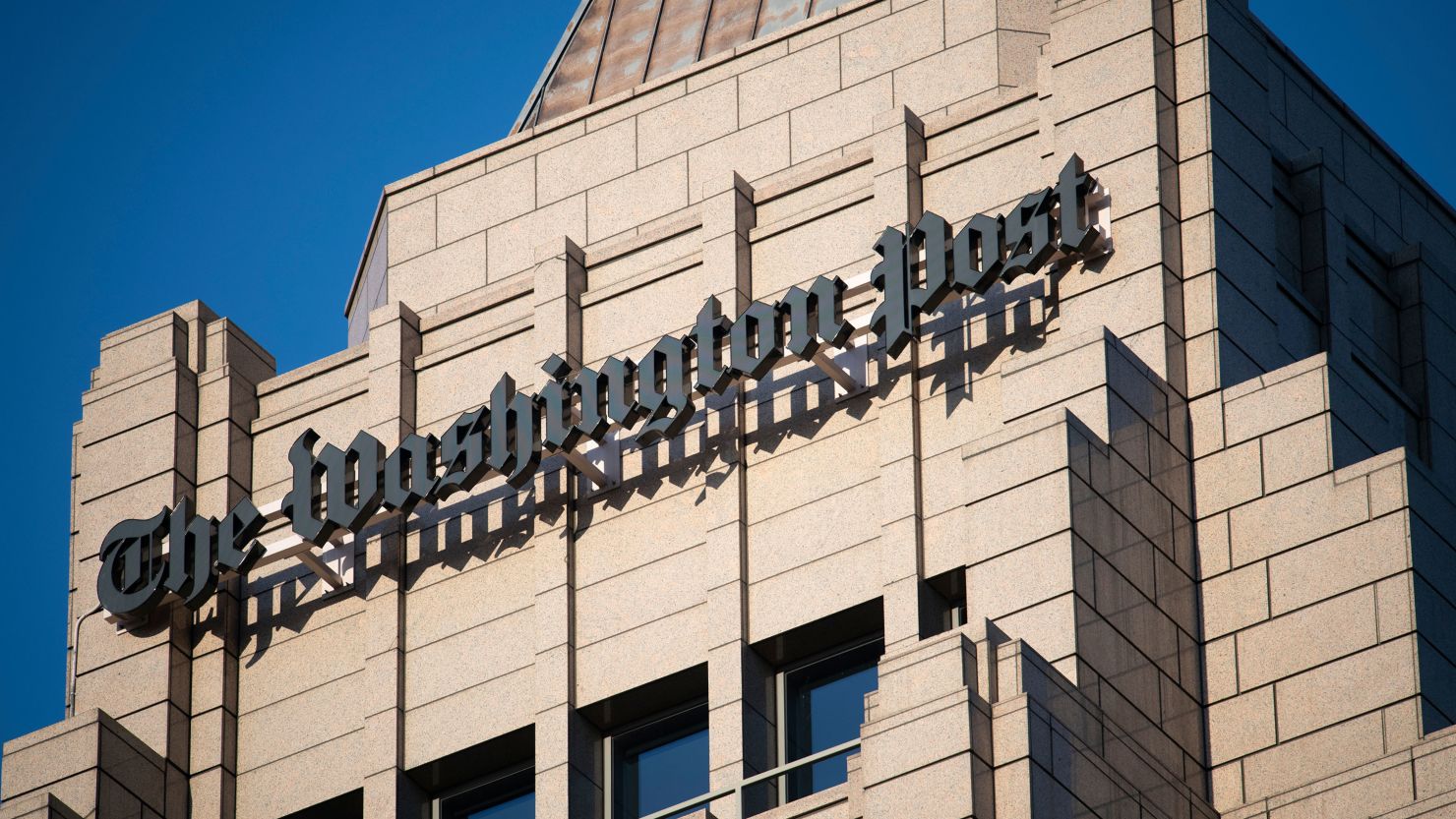
As part of the same investigation, federal agents executed a search warrant at the Virginia home of Hannah Natanson, a reporter for The Washington Post. The search was carried out Wednesday morning and marked a rare instance of law enforcement entering a journalist’s residence in connection with a national security probe.
According to The Washington Post, agents confiscated several electronic devices, including Natanson’s personal phone, two laptop computers — one of which was issued by the newspaper — and a Garmin smartwatch.
The search has raised questions among press freedom advocates, journalists, and civil liberties organizations about the balance between national security interests and the First Amendment protections afforded to the press.
Natanson, who is known for her reporting on federal workforce issues and the federal government’s internal restructuring, has not been charged with a crime. Her employer has stated unequivocally that she is not accused of any wrongdoing.
In a statement to colleagues and readers, The Washington Post emphasized that Natanson was cooperating fully with authorities, but reiterated that she has not been accused of any legal violations. The newspaper also noted that the search and seizure of her electronic devices occurred without any formal charges against her.
Context: New Pentagon Press Rules and Media Access
The incident unfolds against the backdrop of significant changes in Pentagon press access policies implemented in 2025 by the Department of War, now led by Secretary Pete Hegseth. Under the new rules, journalists covering the Pentagon were required to sign an agreement pledging not to obtain or publish information unless it had been explicitly authorized for release.
The 17‑page policy also imposed stricter limits on where reporters could move within the Pentagon without an official escort. According to Pentagon officials at the time, these new measures were designed to better safeguard classified or sensitive national information and protect ongoing military operations.
Critics strongly opposed the agreement, arguing that it represented an unprecedented curtailment of press freedom and independent reporting from the Department of Defense. Before the policy’s implementation, reporters assigned to the Pentagon enjoyed broader access and greater autonomy to cover military affairs without onerous restrictions.
The new rules sparked an industry‑wide response. Major news organizations — including the Associated Press, Bloomberg News, The New York Times, The Wall Street Journal, The Washington Post, CNN, Fox News, CBS, NBC, ABC, NPR, Axios, Politico, The Guardian, The Atlantic, The Hill, Newsmax, Breaking Defense, and Task & Purpose — collectively refused to sign the Pentagon’s required pledge.
These outlets argued that agreeing to such terms would undermine journalistic independence and chill coverage of vital national defense issues. Their refusal effectively barred many reporters from the new Pentagon reporting areas designated for those who signed the policy, further straining the relationship between the Department of War and the press corps.
Press Freedom Concerns and Legal Tensions
The search of a journalist’s home in connection with a leak investigation has sparked significant concern among civil liberties groups, editors’ associations, and legal experts. Many see the action as a serious escalation in the government’s tactics for handling alleged leaks to the press.
Historically, searches of journalists’ homes or newsrooms in national security investigations have been relatively rare and often controversial. Such actions raise complex legal and constitutional issues, particularly involving protections guaranteed under the First Amendment.
Press freedom advocates have called for greater transparency about the legal basis for the search warrants and the standards used by prosecutors and judges in approving them. Some are urging lawmakers to review and potentially strengthen safeguards that protect journalists from intrusive enforcement actions.
At the same time, government officials maintain that unauthorized disclosure of classified material can significantly harm national security interests and that enforcing laws related to classified information is a legitimate exercise of prosecutorial authority.
What’s Next in the Investigation
At this stage, authorities have confirmed that Perez‑Lugones is in federal custody on charges related to possession of classified national defense information. His case will proceed through the federal court system, where prosecutors are expected to present evidence supporting their allegations.
The broader investigation into how classified materials were allegedly leaked — and whether additional individuals may face charges — remains active. Officials have signaled that they will not provide further details while the matter is under review.
Meanwhile, The Washington Post and other news organizations are closely monitoring developments, particularly the legal and ethical implications surrounding the search of a journalist’s home.
Natanson’s lawyer has indicated that they are reviewing the government’s actions and will pursue all appropriate legal avenues to protect her rights.
As this story continues to unfold, it is likely to raise important questions about journalistic freedom, government transparency, and the federal government’s approach to enforcing laws related to classified information.

Emily Johnson is a critically acclaimed essayist and novelist known for her thought-provoking works centered on feminism, women’s rights, and modern relationships. Born and raised in Portland, Oregon, Emily grew up with a deep love of books, often spending her afternoons at her local library. She went on to study literature and gender studies at UCLA, where she became deeply involved in activism and began publishing essays in campus journals. Her debut essay collection, Voices Unbound, struck a chord with readers nationwide for its fearless exploration of gender dynamics, identity, and the challenges faced by women in contemporary society. Emily later transitioned into fiction, writing novels that balance compelling storytelling with social commentary. Her protagonists are often strong, multidimensional women navigating love, ambition, and the struggles of everyday life, making her a favorite among readers who crave authentic, relatable narratives. Critics praise her ability to merge personal intimacy with universal themes. Off the page, Emily is an advocate for women in publishing, leading workshops that encourage young female writers to embrace their voices. She lives in Seattle with her partner and two rescue cats, where she continues to write, teach, and inspire a new generation of storytellers.