


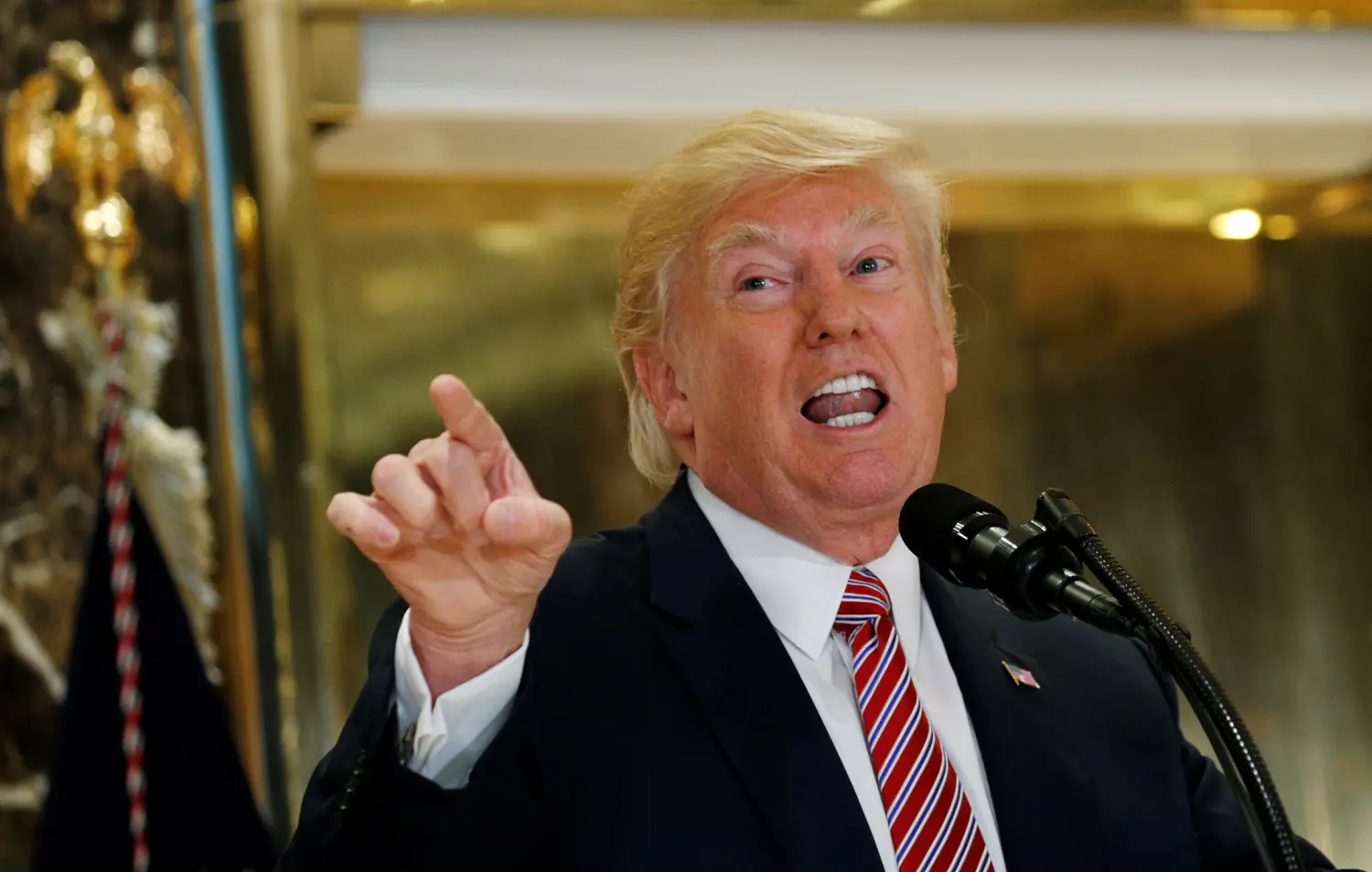
President Donald Trump declared on January 12, 2026, that any country conducting business with the Islamic Republic of Iran will face a 25 percent tariff on all trade with the United States. The announcement, made on Trump’s social media platform Truth Social, underscores the administration’s increasingly hardline posture toward Tehran as the nation grapples with widespread protests and growing economic turmoil. The president’s statement emphasized that the tariff order is “final and conclusive,” though the White House had not released an accompanying executive order or additional regulatory guidance by the evening of January 12.
The tariff announcement coincides with a period of extraordinary unrest in Iran. Protests, sparked by the collapse of the Iranian rial and severe inflation, have intensified into nationwide demonstrations challenging the authority of the Islamic Republic. According to reports from the U.S.-based Human Rights Activists News Agency, more than 10,600 people have been detained in the last two weeks, and at least 500 protesters have been killed. The Iranian regime attributes the unrest to U.S. and Israeli interference, labeling demonstrators as terrorists supported by foreign powers.
In remarks made earlier on January 11, Trump indicated that Iranian officials had contacted the White House regarding a potential nuclear deal, and he acknowledged the possibility of meeting with them. However, he warned that military action remains a potential option should conditions on the ground deteriorate further. “We may meet with them. A meeting is being set up, but we may have to act because of what’s happening,” Trump said aboard Air Force One, adding that the United States has “very strong options” available to support protesters and counter the regime’s actions.
Iran has responded with threats of retaliation, particularly targeting U.S. military bases in the Middle East. The Iranian government has emphasized that any attack on its territory would provoke a “significant response,” which could include strikes on American forces and assets. Trump countered that any such action would be met with “very powerful force,” suggesting a willingness to escalate military engagement if Tehran follows through on its threats.
Amid the crisis, Trump also indicated that he might work with private sector figures, such as Tesla CEO Elon Musk, to restore internet access in Iran. The country has been largely offline due to a nationwide blackout, limiting the ability of citizens to communicate and organize protests. Starlink and other satellite-based internet services are being considered as temporary solutions to circumvent the blackout and provide Iranians with access to global information networks.
The protests erupted on December 28, 2025, as the Iranian rial plunged to historic lows, trading at over 1.4 million per U.S. dollar. The economic collapse has exacerbated inflation, driving public anger and fueling calls for reform and accountability. Citizens have taken to the streets in Tehran and across other major cities, demanding that the regime address economic mismanagement and widespread corruption. Many demonstrators are openly challenging the religious leadership and advocating for systemic change.
Trump’s tariff announcement represents an extension of his administration’s broader pressure campaign against Iran, which includes prior sanctions and military measures targeting the country’s nuclear capabilities. The United States, along with Israel, carried out strikes on Iranian nuclear facilities in June 2025 under the operation codenamed “Midnight Hammer,” claiming to have significantly degraded Tehran’s enrichment capabilities at Fordow and Natanz.
The imposition of a 25 percent tariff on nations engaging with Iran signals that Washington intends to exert economic leverage not only on Tehran but also on third-party countries that maintain commercial ties. While the president did not identify specific nations affected, analysts expect that major trade partners such as China, India, and European countries could face increased costs for goods and services linked to Iran. The tariff is likely to complicate diplomatic efforts and could impact global supply chains tied to energy, minerals, and other Iranian exports.
White House Press Secretary Karoline Leavitt emphasized that diplomacy remains the administration’s preferred approach but confirmed that military options remain on the table. “Diplomacy is always the first option for the president,” Leavitt said. She also highlighted that public statements from Iranian officials may not reflect the private channels through which the U.S. administration is negotiating, reinforcing Trump’s intention to explore confidential diplomatic engagement alongside potential punitive measures.
The Iranian government has portrayed the protests as being orchestrated by external enemies, framing the unrest as an “uprising against American-Zionist terrorism.” State-run media has highlighted pro-regime demonstrations in Tehran, including gatherings in Enghelab Square, while downplaying the scale of civilian casualties and the broader dissatisfaction among the population. This narrative contrasts sharply with reports from international human rights organizations documenting widespread use of force, mass arrests, and fatalities among protesters.
The escalating confrontation between Washington and Tehran occurs at a highly sensitive moment for regional stability. The Middle East is already under strain from ongoing conflicts, sanctions, and rivalries, and the addition of unilateral U.S. tariffs adds economic and political pressure. Global markets may react to the announcement as countries reevaluate the risks of trading with Iran, potentially reshaping international investment and energy flows.
Trump’s approach underscores his willingness to combine economic coercion, military readiness, and private-sector collaboration to influence developments in Iran. By threatening tariffs on any country doing business with Tehran, the administration is signaling that it will leverage U.S. economic power aggressively to shape international behavior. The president’s dual messaging—indicating openness to negotiations while preparing for military escalation—reflects a complex strategy aimed at deterring further violence, supporting Iranian protesters, and constraining the regime’s international partnerships.
Observers have noted that Trump’s announcement could also complicate existing nuclear diplomacy. The possibility of a renewed nuclear deal with Iran may be hindered by the imposition of broad tariffs, as partner countries could resist participating in arrangements that would expose them to economic penalties from the United States. Conversely, the threat of tariffs may increase pressure on Tehran to return to the negotiating table under U.S. terms.
At home, Trump’s statements on Iran are likely to resonate with supporters who advocate for a tough stance against perceived threats abroad. Critics, however, may argue that the tariffs risk escalating conflict unnecessarily and could harm American trade partners, potentially disrupting global commerce. The use of unilateral measures also raises questions about coordination with allies and the broader international community.
The situation in Iran remains fluid, with both economic collapse and political unrest continuing to drive events. The administration’s simultaneous consideration of diplomacy, economic sanctions, and military readiness underscores the high stakes involved. While the U.S. seeks to influence outcomes without direct engagement in full-scale conflict, the potential for miscalculation is substantial, particularly if Tehran interprets the tariffs or other threats as hostile acts requiring retaliatory measures.
As of January 12, the international community is watching closely. The United Nations and other multilateral institutions have urged restraint, emphasizing the need to protect civilians and respect human rights amid ongoing protests. Meanwhile, the Trump administration’s combination of tariffs, potential military options, and the exploration of private-sector solutions highlights the unprecedented nature of current U.S. strategy toward Iran.
In summary, President Trump’s announcement of a 25 percent tariff on any nation doing business with Iran reflects a decisive and confrontational approach to the unfolding crisis in Tehran. With Iran facing the most serious domestic unrest since the 1979 revolution, and international negotiations over its nuclear program underway, the administration’s new policy adds a sharp economic lever to its diplomatic and military toolkit. Whether these measures will successfully influence Tehran, deter foreign commercial engagement, or exacerbate instability remains uncertain, but the development underscores the volatile mix of economic, political, and security challenges that continue to define U.S.-Iran relations.

Emily Johnson is a critically acclaimed essayist and novelist known for her thought-provoking works centered on feminism, women’s rights, and modern relationships. Born and raised in Portland, Oregon, Emily grew up with a deep love of books, often spending her afternoons at her local library. She went on to study literature and gender studies at UCLA, where she became deeply involved in activism and began publishing essays in campus journals. Her debut essay collection, Voices Unbound, struck a chord with readers nationwide for its fearless exploration of gender dynamics, identity, and the challenges faced by women in contemporary society. Emily later transitioned into fiction, writing novels that balance compelling storytelling with social commentary. Her protagonists are often strong, multidimensional women navigating love, ambition, and the struggles of everyday life, making her a favorite among readers who crave authentic, relatable narratives. Critics praise her ability to merge personal intimacy with universal themes. Off the page, Emily is an advocate for women in publishing, leading workshops that encourage young female writers to embrace their voices. She lives in Seattle with her partner and two rescue cats, where she continues to write, teach, and inspire a new generation of storytellers.