



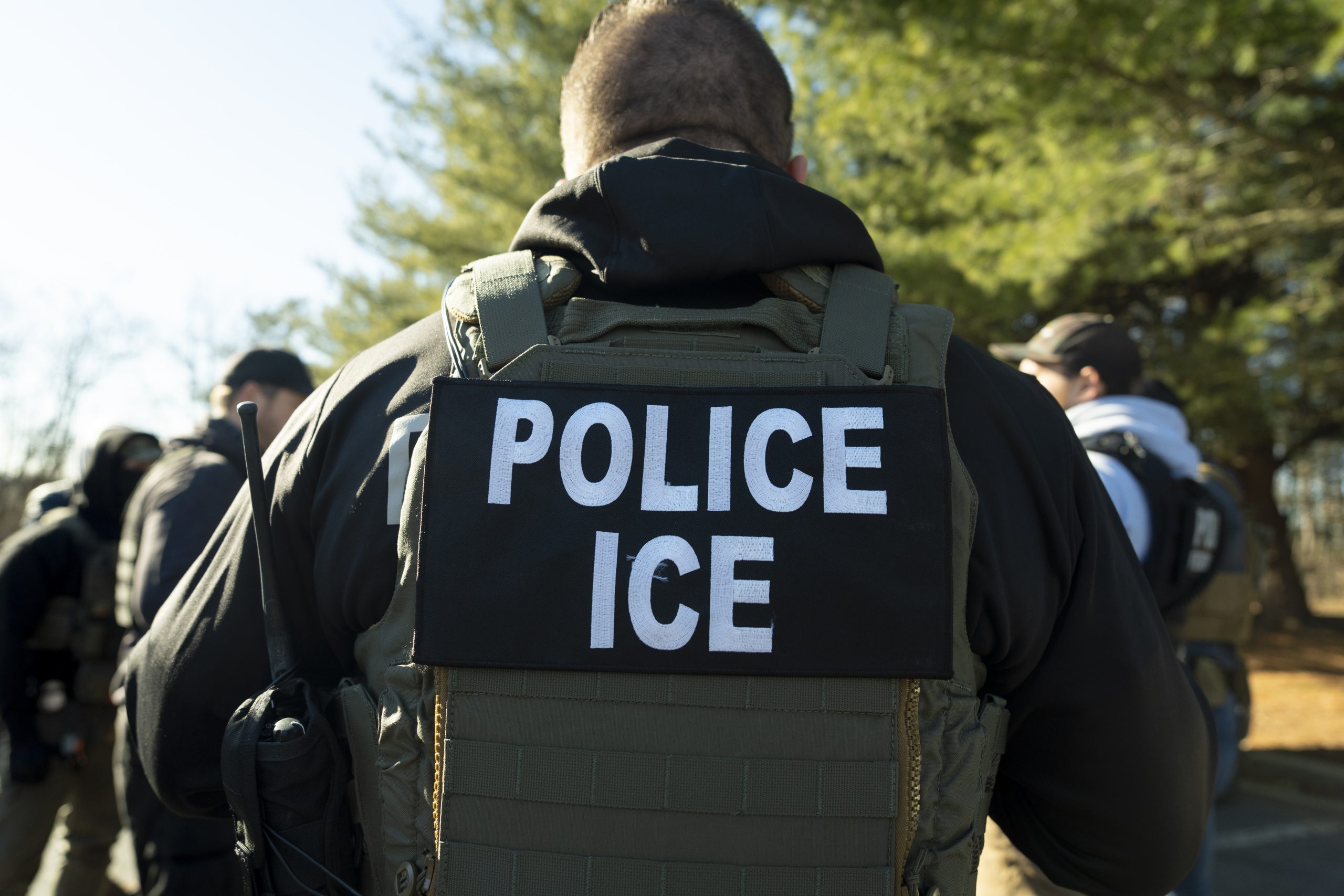
In recent weeks, federal immigration enforcement activity in Minnesota has expanded significantly, drawing national attention and sparking political, legal, and community responses.
The operation — known as Operation Metro Surge — is an intensified deployment of federal law enforcement officers, including personnel from Immigration and Customs Enforcement (ICE) and other agencies under the Department of Homeland Security (DHS). Federal officials have described it as one of the largest immigration enforcement actions ever conducted in the state, but it has also become the subject of lawsuits, protests, and fierce debate over how immigration law should be enforced.
What Is Operation Metro Surge?
According to federal authorities, Operation Metro Surge began in December 2025 as an enforcement initiative aimed at arresting and removing undocumented immigrants who are subject to deportation orders. Federal officials state the surge involves a substantial deployment of immigration agents to the Minneapolis–Saint Paul metropolitan area and broader Minnesota, expanding the federal law enforcement footprint.
At a press briefing, Homeland Security representatives indicated the operation includes roughly 2,000 federal officers tasked with carrying out enforcement actions including arrests, investigations, and other immigration-related activities. The administration described it as the largest immigration enforcement operation by DHS in Minnesota’s history, designed to address cases involving serious criminal threats, fraud, and other violations.
It’s important to note that these figures refer to deployed officers and reported arrests since the operation began, and not all arrests have been publicly detailed, nor have court outcomes or final immigration proceedings been released.
Numbers Reported So Far
Federal officials stated that more than 2,000 arrests have been made in Minnesota since the surge began last month, though this number includes all immigration enforcement-related encounters to date and does not specify the nature of charges, convictions, or pending immigration proceedings.
The deployment of thousands of officers and resulting enforcement actions have been described by DHS as part of a comprehensive effort to enforce federal immigration laws in areas with sanctuary policies or where undocumented immigrants with final deportation orders reside.
Legal Challenges and Protests
The surge has triggered significant pushback at the state and local level. On January 12, 2026, Minnesota, together with the cities of Minneapolis and Saint Paul, filed a federal lawsuit seeking to halt what they describe as an unconstitutional and unlawful surge of ICE and DHS agents. The suit alleges that the federal deployment violates multiple constitutional principles and has caused disruptions in daily life, including strains on local resources and public safety.
Local officials and community leaders have argued that the scale of the operation amounts to overreach by federal agencies and have voiced concern about the conduct of agents, including claims of excessive force, warrantless arrests, and the impact on schools, businesses, and community trust.
Protests have erupted in Minneapolis and surrounding areas in response to federal enforcement actions. Demonstrations include large gatherings of residents and advocates calling for a halt to the surge, particularly following incidents that have raised tensions between community members and ICE officers.
Controversial Incidents and Public Reaction
The escalation of immigration enforcement in Minnesota is also intertwined with a fatal shooting that occurred in early January 2026, involving an ICE agent and a Minneapolis resident. This incident, which involved the use of force by a federal agent, has drawn nationwide attention and become a focal point in debates over how immigration laws should be enforced in communities with diverse populations.
Public reaction has been mixed. Supporters of the operation argue that it targets individuals who have evaded immigration law enforcement, including those with criminal convictions or final removal orders, and is necessary to uphold federal law. Critics argue that the methods used are excessive, violate constitutional rights, and destabilize communities — especially immigrant communities — without clear accountability.
Statements From Federal Officials
Representatives from the Department of Homeland Security have defended the surge, describing it as lawful and necessary for enforcing immigration laws. Federal authorities, including DHS spokespeople, have emphasized that the operation prioritizes safety and legal enforcement, and that agents act within the scope of their legal authorities.
DHS personnel have also cited increases in dangerous encounters between law enforcement and individuals resisting arrest or engaging in violent behavior, though exact statistics on such incidents should be understood in context and may be subject to interpretation by different reporting sources.
Broader Context
The Minneapolis enforcement surge reflects a broader national conversation about immigration policy, federal versus local authority, and how best to balance enforcement with community relations and civil liberties. Similar legal battles have arisen in other states and municipalities where local leaders challenge federal immigration actions they view as targeting their communities disproportionately.
The ongoing legal proceedings in Minnesota are expected to continue shaping public policy and community responses, particularly as authorities and local leaders present competing views on the legitimacy and impact of large-scale immigration enforcement operations.
Looking Forward
As of now:
-
Operation Metro Surge remains active.
-
Federal agencies report continued arrests and enforcement actions.
-
Governors, mayors, and civil rights advocates continue challenging the operation in court.
-
Nationwide protests and local community responses reflect deep divisions over immigration enforcement tactics and priorities.
Given the evolving nature of events, developments may continue to unfold rapidly.

Emily Johnson is a critically acclaimed essayist and novelist known for her thought-provoking works centered on feminism, women’s rights, and modern relationships. Born and raised in Portland, Oregon, Emily grew up with a deep love of books, often spending her afternoons at her local library. She went on to study literature and gender studies at UCLA, where she became deeply involved in activism and began publishing essays in campus journals. Her debut essay collection, Voices Unbound, struck a chord with readers nationwide for its fearless exploration of gender dynamics, identity, and the challenges faced by women in contemporary society. Emily later transitioned into fiction, writing novels that balance compelling storytelling with social commentary. Her protagonists are often strong, multidimensional women navigating love, ambition, and the struggles of everyday life, making her a favorite among readers who crave authentic, relatable narratives. Critics praise her ability to merge personal intimacy with universal themes. Off the page, Emily is an advocate for women in publishing, leading workshops that encourage young female writers to embrace their voices. She lives in Seattle with her partner and two rescue cats, where she continues to write, teach, and inspire a new generation of storytellers.