A new wave of U.S. visa restrictions is set to impose unprecedented financial barriers on travelers from dozens of countries, with some applicants required to post bonds of up to $15,000 simply to enter the United States. The policy, announced this week by the State Department, represents a significant escalation in President Donald Trump’s second-term immigration agenda and has already begun to reverberate across diplomatic and economic channels worldwide.
The measure follows months of intensifying tensions between Washington and a growing list of nations affected by expanded U.S. travel bans. Since Trump began his second term, the number of countries facing full or partial entry restrictions has surged. In just the first year, travelers from 39 nations were added to the list of those facing new barriers, reigniting global criticism and triggering reciprocal measures from some governments.
In December 2025, Mali and Burkina Faso responded to their inclusion by imposing their own restrictions on American visitors, invoking what their leaders called the “principle of reciprocity.” The tit-for-tat response marked a new phase in the dispute, signaling that U.S. travel policy was no longer merely a domestic issue but a growing international flashpoint.
Now, the State Department has taken the policy further. Under the new rules, citizens of 38 countries—most of them in Africa—must post a “visa bond” of either $5,000, $10,000, or $15,000, depending on the outcome of their entry interview. The bond is refundable only if the traveler leaves the United States on time and complies fully with the terms of their visa.
The policy also limits entry to seven major U.S. airports, creating an additional logistical hurdle for travelers from affected nations. The bond is forfeited if the visitor overstays their visa or applies for asylum after entering on a temporary travel document.
According to the State Department, the intent is to reduce illegal immigration driven by visa overstays. Officials argue that each country on the list was selected based on data showing high rates of violations among its nationals. In their view, the bond system introduces a financial incentive to comply with U.S. immigration law while discouraging misuse of short-term visas.
“This is about accountability,” a senior administration official said. “We are dealing with measurable patterns of overstay. These bonds ensure that entry into the United States is taken seriously and that visitors respect the terms under which they are admitted.”
Critics, however, say the policy effectively prices millions of people out of legal travel. For citizens of many affected nations, $10,000 or $15,000 represents several years’ income. Even middle-class professionals, students, and business travelers may find the requirement insurmountable.
Of the 38 countries subject to visa bonds, 24 are in Africa. The list also includes nations in the Caribbean, Asia, and the Pacific, such as Bangladesh, Fiji, Nepal, and Venezuela. Among those affected are Algeria, Angola, Benin, Botswana, Burundi, Cabo Verde, Djibouti, Gabon, Guinea, Malawi, Nigeria, Senegal, Tanzania, Uganda, Zambia, and Zimbabwe.
The administration has stated that waivers may be granted on a case-by-case basis for individuals who “serve U.S. interests,” including diplomats, athletes participating in international competitions, and select business travelers. Even so, advocacy groups argue that the criteria are opaque and leave vast discretion in the hands of immigration officers.
Human rights organizations and immigration attorneys have warned that the bond system could function as a de facto travel ban for ordinary citizens, undermining cultural exchange, tourism, education, and commerce. They also point out that the bond is automatically forfeited if a traveler seeks asylum, raising concerns that the rule may deter individuals fleeing persecution from exercising their legal right to seek protection.
“This policy transforms the U.S. border into a paywall,” said one immigration lawyer based in New York. “It sends a message that access to America is reserved for the wealthy, regardless of merit or circumstance.”
The new bond requirement exists alongside a growing set of outright bans. Residents of more than 20 countries now face full prohibitions on both immigrant and non-immigrant travel to the United States. These include Afghanistan, Iran, Libya, Somalia, Sudan, Yemen, Syria, Haiti, Eritrea, and several African and Asian nations added over the past year, such as Mali, Burkina Faso, Niger, and South Sudan.
Other countries are subject to partial bans that restrict certain visa categories, often affecting workers, students, and family reunification applicants. For citizens of Angola, Nigeria, Senegal, Tanzania, and others, access to the United States has become increasingly limited, even before the imposition of financial bonds.
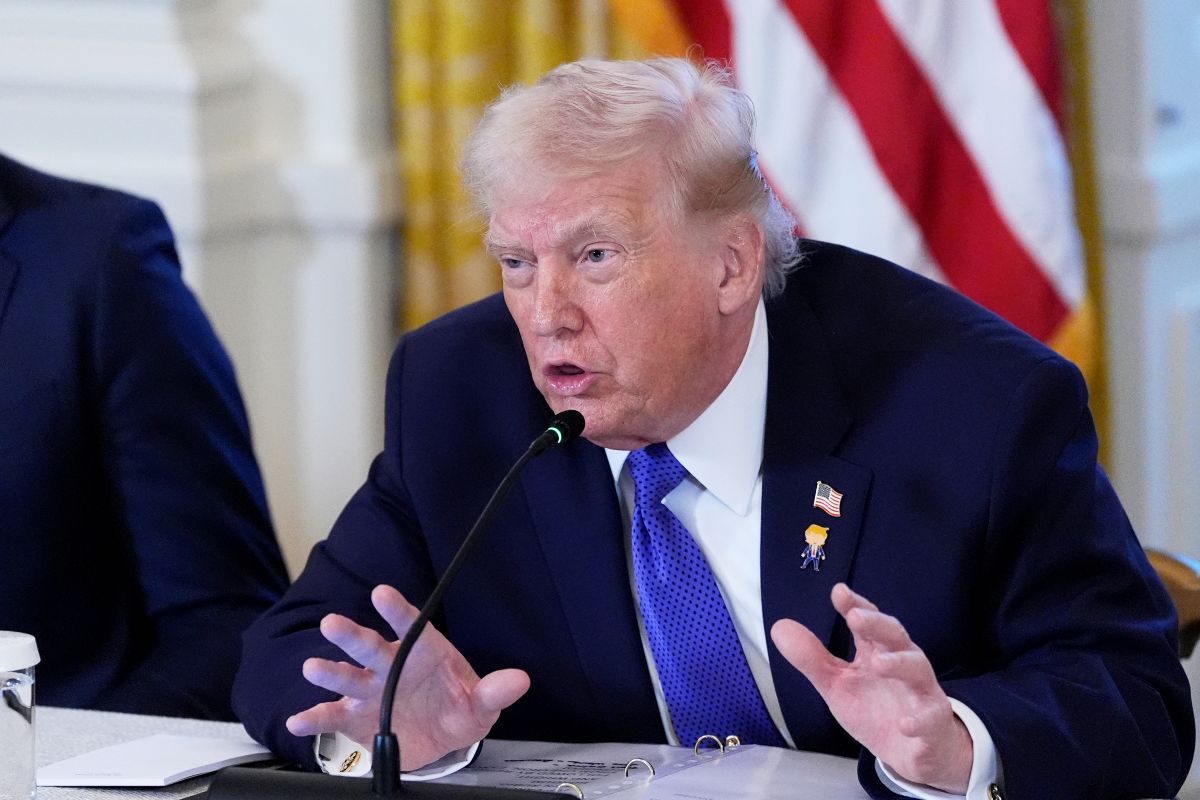
The administration maintains that these measures are necessary to restore order to what it describes as a broken immigration system. President Trump has repeatedly argued that visa overstays represent a major source of unlawful presence in the United States, often overshadowed by attention to border crossings.
“People come legally and then disappear,” he said during a recent address. “That’s not legal immigration. That’s cheating the system. And we’re going to stop it.”
Supporters of the policy contend that it aligns with basic principles of risk management. By requiring a financial stake, they argue, the government can reduce enforcement costs and ensure compliance without expanding detention or surveillance programs.
Yet the international response has been swift and skeptical. Several governments have raised concerns through diplomatic channels, warning that the bond system discriminates against poorer nations and could provoke further reciprocal measures. Tourism boards in affected countries fear a chilling effect on travel in both directions, as resentment builds and barriers multiply.
Economists also note that the policy could reduce business travel, foreign investment, and academic exchange. U.S. universities, which rely heavily on international students, have expressed concern that prospective applicants from affected countries will abandon plans to study in America.
The broader implications extend beyond travel. By reshaping access to the United States along financial lines, the bond system signals a fundamental shift in how mobility is governed. For decades, U.S. visa policy has centered on documentation, intent, and security screening. The new framework adds wealth as a gatekeeping criterion.
Whether the policy will achieve its stated aim remains uncertain. While it may deter some overstays, it could also push more travelers toward irregular pathways or discourage lawful engagement altogether. What is clear is that the United States is redefining the cost of entry—literally.
For millions of would-be visitors, the American dream now comes with a price tag.