



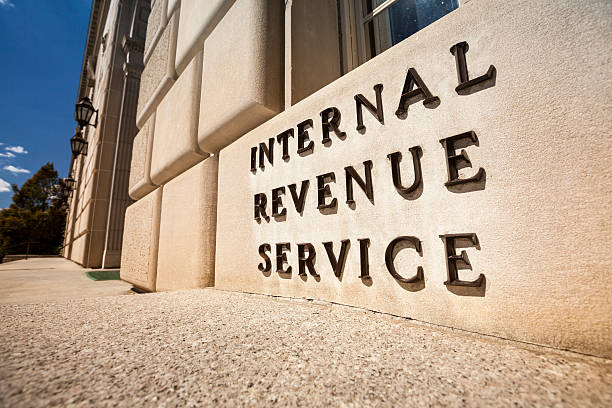
Millions of Americans are preparing once again for one of the most closely watched annual events in the financial calendar: tax season. For households balancing rising costs, retirement planning, and new federal tax rules, the question of when and how to file carries more weight than ever.
The Internal Revenue Service says it is fully prepared for the upcoming filing cycle and expects participation levels to remain near historic highs. Officials emphasize that taxpayers who organize early and file electronically will continue to benefit from faster processing and quicker refunds.
Behind the scenes, the agency has spent months updating its systems to accommodate new tax laws, revised deductions, and changes in eligibility for several popular credits. IRS leadership says the goal is to reduce delays, prevent fraud, and ensure refunds reach taxpayers as quickly as possible.
At the same time, many Americans are approaching this tax season with new life circumstances that could significantly affect their returns. Home purchases, job changes, retirement transitions, family growth, and medical expenses can all alter tax outcomes in ways that catch filers by surprise.
According to IRS officials, these shifts are exactly why taxpayers are being encouraged to prepare now rather than wait until the last minute.
What to Expect From This Filing Season
The IRS anticipates receiving roughly 164 million individual tax returns, nearly matching last year’s volume. The overwhelming majority are expected to be submitted electronically, a method that continues to deliver faster processing times and lower error rates.
During the previous filing season, more than $328 billion in refunds were issued, with the average refund totaling $3,167. Most electronic filers received their refunds in under three weeks, while paper filers often waited significantly longer.
Refund timing, however, can vary widely depending on factors such as:
-
Errors or missing information
-
Claims for certain refundable credits
-
Identity verification requirements
-
Manual review flags
The IRS continues to advise taxpayers that electronic filing with direct deposit remains the fastest and safest option.
The Official Opening Date Revealed
Midway through its announcement, the IRS finally confirmed the long-awaited detail:
The agency will begin accepting and processing individual federal income tax returns on January 26, 2026, for the 2025 tax year.
The deadline to file and pay remains April 15, 2026.
Taxpayers who need more time can request a six-month extension, moving their filing deadline to October 15, 2026. However, the IRS stresses that an extension only delays paperwork—not payment. Any taxes owed must still be paid by April 15 to avoid interest and penalties.
Refunds: What Could Change This Year
Although refund timelines are expected to remain similar, several new factors could influence refund amounts in 2026. The IRS says common life changes can dramatically affect both eligibility and refund totals, including:
-
Marriage or divorce
-
Birth or adoption of a child
-
Death of a spouse or dependent
-
Job loss or job change
-
Enrollment in education programs
-
Home ownership
Each of these events may open or close eligibility for major credits such as:
-
Child Tax Credit and Additional Child Tax Credit
-
Earned Income Tax Credit
-
Child and Dependent Care Credit
-
Education Credits
-
Credit for Other Dependents
Failing to report these accurately can delay refunds or trigger audits, according to the agency.
New Tax Law Provisions Now in Effect
One of the biggest differences this year comes from the sweeping tax legislation signed in July 2025, often referred to as the “One, Big, Beautiful Bill.” Several provisions of that law will directly affect 2025 returns filed in 2026.
Among the most notable changes:
-
A $12,500 deduction for qualified tip income, benefiting millions in service industries.
-
An additional $6,000 deduction for eligible seniors aged 65 and older, on top of existing senior deductions.
-
Adjustments to income thresholds for certain credits.
These provisions are expected to reduce taxable income for large segments of the population, particularly seniors, hospitality workers, and part-time employees.
IRS officials say their systems have already been updated to handle the new law’s requirements.
Filing Early Could Matter More Than Ever
The agency is urging taxpayers not to wait until April. Filing early can:
-
Reduce the risk of identity theft refund fraud
-
Speed up refunds
-
Allow more time to correct errors
-
Help households plan financially
The IRS has also expanded its online “Get Ready” tools, offering checklists, calculators, and guidance to help filers prepare documentation before submitting returns.
IRS CEO Frank Bisignano emphasized the agency’s readiness in a statement:
“The Internal Revenue Service is ready to help taxpayers meet their tax filing and payment obligations during the 2026 filing season. Our workforce remains dedicated to serving the American taxpaying public, and our systems are fully prepared to process returns efficiently and securely.”
Electronic Filing Continues to Dominate
More than 90 percent of filers are expected to submit returns electronically again this year. Paper returns, while still accepted, often take up to six weeks or longer for refunds and face higher risk of processing delays.
The IRS recommends:
-
Electronic filing
-
Direct deposit
-
Double-checking Social Security numbers
-
Verifying bank routing information
-
Keeping copies of all documents
Even small errors can slow down processing.
Who Should Be Especially Careful This Year
Tax professionals say several groups should pay close attention this season:
-
Seniors claiming the new deduction
-
Workers earning tip income
-
Parents claiming dependents
-
First-time homebuyers
-
Gig economy workers
-
Recently unemployed individuals
Each group may see meaningful changes in refund amounts or tax obligations compared to last year.
What Happens If You Miss the Deadline
Failing to file or pay by April 15 can result in:
-
Late-filing penalties
-
Interest on unpaid balances
-
Collection actions
Even those who cannot pay in full are encouraged to file on time and explore payment plans rather than delay filing altogether.
The Bottom Line
The 2026 tax filing season is shaping up to be one of the most consequential in years, driven by new tax law provisions, economic shifts, and expanded deductions for key groups of Americans.
With refunds totaling hundreds of billions of dollars annually, the way taxpayers approach this season could significantly affect household finances well into the year.
And now that the official start date has been confirmed, millions of Americans can finally begin preparing with clarity and confidence.
Tax season is coming—and this year, what you do early could make all the difference.

Emily Johnson is a critically acclaimed essayist and novelist known for her thought-provoking works centered on feminism, women’s rights, and modern relationships. Born and raised in Portland, Oregon, Emily grew up with a deep love of books, often spending her afternoons at her local library. She went on to study literature and gender studies at UCLA, where she became deeply involved in activism and began publishing essays in campus journals. Her debut essay collection, Voices Unbound, struck a chord with readers nationwide for its fearless exploration of gender dynamics, identity, and the challenges faced by women in contemporary society. Emily later transitioned into fiction, writing novels that balance compelling storytelling with social commentary. Her protagonists are often strong, multidimensional women navigating love, ambition, and the struggles of everyday life, making her a favorite among readers who crave authentic, relatable narratives. Critics praise her ability to merge personal intimacy with universal themes. Off the page, Emily is an advocate for women in publishing, leading workshops that encourage young female writers to embrace their voices. She lives in Seattle with her partner and two rescue cats, where she continues to write, teach, and inspire a new generation of storytellers.