The culinary world is mourning the loss of a respected television figure whose career blended technical excellence, emotional honesty, and a deep commitment to advocacy. A familiar face to millions of public television viewers, the chef and food stylist built a reputation for warmth, credibility, and authenticity, earning admiration not only for her skills in the kitchen but for her courage away from the camera. She died at age 49 after a long battle with ovarian cancer, a fight she chose to make public in hopes of helping others.
Her passing was confirmed this week by fellow chefs and industry colleagues, prompting an outpouring of tributes across the food and television communities. Many remembered her as a rare presence in culinary media—someone who could command respect through knowledge while remaining approachable and deeply human. To those who worked alongside her, she was not simply a television personality, but a collaborator, mentor, and advocate who understood the responsibility that came with visibility.
She became widely known through her work on a long-running PBS cooking series that emphasizes precision, testing, and reliability. The program reaches more than 10 million viewers monthly and is regarded as one of the most trusted sources of cooking instruction in the United States. Her presence on the show marked a meaningful shift, as she brought a perspective shaped by lived experience, professional rigor, and an unfiltered honesty that resonated strongly with audiences.
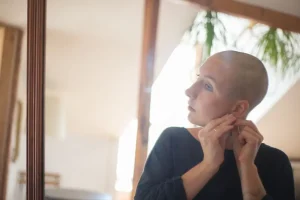
Behind the scenes, however, her rise coincided with an unexpected and life-altering diagnosis. Shortly after relocating for what she described as her dream job, she learned she had an aggressive form of ovarian cancer. At just 40 years old, she found herself balancing intensive medical treatment with the demands of a high-profile television role. Rather than retreat from public view, she made a deliberate choice to continue working and to speak openly about her health, believing transparency could save lives.
It was during this period that she began to redefine what it meant to be a public figure in food media. She used interviews, public appearances, and social platforms to discuss symptoms that are often overlooked—persistent abdominal pain, bloating, and fatigue—and the challenges women face when those concerns are dismissed. Her story became a case study in delayed diagnosis, underscoring the urgent need for awareness and early detection.
Midway through her career, the chef’s name became inseparable from advocacy as well as culinary excellence. That is when Chef Elle Simone Scott emerged not only as a television personality, but as a national voice in the ovarian cancer community. After achieving remission, she pledged to dedicate her platform to education, fundraising, and patient support, a promise she kept with unwavering consistency.
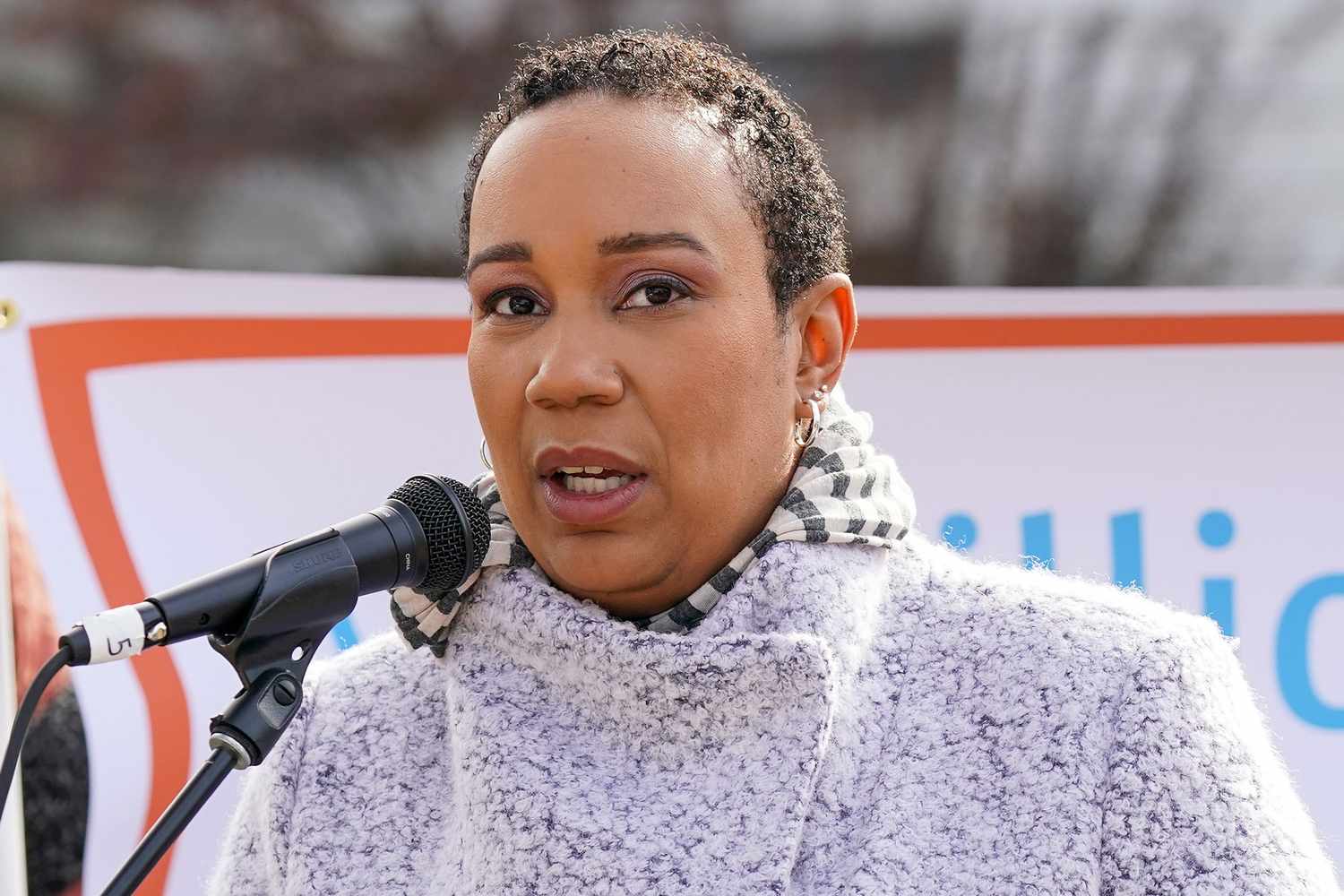
She became a regular emcee at major fundraising events supporting cancer research and patient services, particularly those centered on the culinary world. These events combined food, storytelling, and activism, allowing her to merge her professional expertise with her personal mission. Colleagues often noted that she approached advocacy with the same preparation and seriousness she brought to television—never performative, always purposeful.
Her work extended beyond fundraising stages. She collaborated with medical and nonprofit organizations to develop cooking demonstrations tailored for individuals undergoing chemotherapy. Understanding that treatment can dramatically alter taste, appetite, and energy levels, she focused on recipes that were gentle, nourishing, and emotionally comforting. For her, food was not merely sustenance; it was a form of care, dignity, and connection during moments when control often feels lost.
Long before her television success, her career followed a nontraditional path. She initially worked as a social worker after earning a degree in human services from Eastern Michigan University. For seven years, she served vulnerable populations, driven by a strong sense of responsibility to help others navigate difficult circumstances. That commitment to service never left her, even as her professional direction changed.
A funding loss at the social services agency where she worked forced her to reconsider her future. Rather than viewing it as a setback, she treated it as an opportunity. Cooking, which had long been a passion, became a new professional focus. She began working in food service, including a role cooking aboard cruise ships, where she gained hands-on experience in demanding, high-volume environments.
Recognizing her potential, she enrolled in the Culinary Academy of New York, graduating in 2009. The move marked a decisive shift, but not a departure from her core values. She carried her background in social work into the kitchen, approaching food as a means of care, empowerment, and community-building. This perspective would later distinguish her work in media and advocacy.
After culinary school, she steadily built a career behind the scenes, contributing to productions across major television networks including Food Network, CBS, and Bravo. These roles sharpened her skills in food styling, recipe development, and on-camera presentation. Those who worked with her during this period described her as disciplined, collaborative, and deeply prepared—qualities that later made her a natural fit for public television.
Her eventual role on the PBS cooking series proved transformative. The show’s leadership praised her for bringing a different energy and viewpoint to the screen, noting her ability to balance scientific rigor with emotional intelligence. She connected with viewers not by simplifying the craft, but by humanizing it—acknowledging mistakes, asking thoughtful questions, and inviting audiences into the learning process.
Representation mattered deeply to her. She understood that visibility could open doors for others, particularly women and people of color aspiring to careers in food media. She frequently mentored young professionals, offering guidance on navigating an industry that can be both competitive and exclusionary. For her, success was meaningful only if it created space for others.
As her health journey continued, she refused to allow illness to define her limitations. Even during treatment, she remained active professionally and publicly, careful not to romanticize the struggle but determined to confront it honestly. Friends often remarked on her ability to balance vulnerability with strength, never shying away from difficult truths while maintaining optimism rooted in action rather than denial.
Her death has reverberated throughout the culinary and television worlds. Tributes have highlighted not only her professional accomplishments, but her character—her generosity, resilience, and unwavering commitment to purpose. Many described her as someone who elevated every room she entered, whether on set, in a kitchen, or at a fundraising event.
She leaves behind a legacy that extends far beyond recipes or television segments. Her impact is visible in the conversations she helped normalize, the awareness she raised, and the individuals who found comfort and validation in her story. She demonstrated that public platforms can be used responsibly, and that personal hardship, when shared with intention, can become a catalyst for collective good.
While her life was cut short, the imprint she left is enduring. Through her work, advocacy, and mentorship, she reshaped what it means to be a chef in the public eye. Her story stands as a testament to courage, purpose, and the belief that even in the face of profound adversity, one can still serve, educate, and inspire.
In remembering her, colleagues and viewers alike are reminded that food is never just about technique or presentation. It is about care, community, and the quiet power of showing up fully—values she embodied until the very end.