

A wave of unrest rippled through Minneapolis this week, forcing city leaders to make a rare and dramatic decision: shutting down public schools for two consecutive days amid growing safety concerns tied to protests and clashes involving federal immigration enforcement.
Minneapolis Public Schools announced that all classes would be canceled Thursday and Friday, citing concerns for student and staff safety as demonstrations spread across the city. District officials emphasized that the move was precautionary and said schools would reopen the following Monday.
“Out of an abundance of caution, there will be no school due to safety concerns related to today’s incidents around the city,” the district said in a statement, adding that the closures would not shift to online learning because state rules restrict e-learning to severe weather situations.
The decision immediately underscored how quickly events had escalated—from a law enforcement operation earlier in the day to citywide protests by nightfall.
A Morning Incident That Sparked Citywide Anger
The unrest began after a fatal encounter involving federal immigration agents during a targeted enforcement operation. According to federal officials, agents were conducting a raid when demonstrators surrounded their vehicles, blocking their movement.
Authorities say a female driver attempted to force her way through the scene using her vehicle, allegedly aiming at federal officers who were trying to push their vehicle out of heavy snow. Shots were fired, and the woman was killed at the scene.
The Department of Homeland Security described the incident as a violent confrontation in which officers feared for their lives. Federal officials said the woman used her car as a weapon, characterizing the act as domestic terrorism.
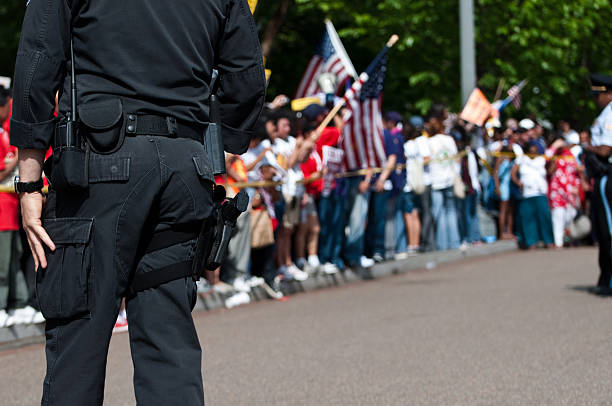
The incident was partially captured on video by witnesses, and footage circulated rapidly online. By midday, crowds had begun gathering near the scene, and by evening, hundreds of people were holding vigils, chanting, and confronting law enforcement.
Federal and Local Leaders Clash Over the Narrative
The incident has triggered sharp disagreements between federal authorities and city leadership over what exactly happened—and what it represents.
Homeland Security Secretary Kristi Noem said agents repeatedly ordered the driver to stop and exit her vehicle.
“They were attempting to push out their vehicle, and a woman attacked them and those surrounding them and attempted to run them over,” Noem said, adding that an ICE agent involved in the shooting was briefly hospitalized and later released.
Local officials, however, painted a starkly different picture.
Minneapolis Mayor Jacob Frey dismissed claims of self-defense, calling the federal account “garbage” and accusing agents of reckless conduct that resulted in a civilian death.
Minnesota Governor Tim Walz urged residents to remain calm while authorizing preparations for possible National Guard deployment if unrest worsens. Walz criticized federal immigration operations as intentionally provocative, saying they were designed to “generate fear, headlines, and conflict.”
Police Offer Preliminary Details
Minneapolis Police Chief Brian O’Hara said local police were not involved in the shooting but provided preliminary details based on initial information.
According to O’Hara, the woman’s vehicle was blocking a roadway when a federal officer approached on foot. As the car began to move forward, at least two shots were fired before the vehicle crashed off the road.
The chief emphasized that the investigation remains ongoing and that details could change as more evidence is reviewed.
Protests Grow as Schools Close
By the time Minneapolis Public Schools announced the closures, protests had spread well beyond the original scene. Demonstrators gathered outside government buildings, along major corridors, and near schools, prompting concerns about student transportation and staff safety.
District leaders said canceling classes was necessary to avoid placing children in the middle of unpredictable and potentially volatile situations.
The closures also highlighted how deeply immigration enforcement has divided the city, which has long positioned itself as welcoming to immigrant communities while simultaneously grappling with federal operations conducted within its borders.
President Trump Weighs In
President Donald Trump weighed in after reviewing video footage of the incident, offering strong support for federal agents involved.
In a post on Truth Social, Trump described the event as “a horrible thing to watch” and said the woman driving the vehicle was violently obstructing officers. He framed the shooting as an act of self-defense and blamed what he called “radical left agitators” for escalating tensions.
His comments further polarized reactions, drawing praise from law enforcement groups and criticism from activists and local officials.
Law Enforcement Groups Push Back
Several law enforcement organizations publicly defended the federal agents and warned political leaders against what they described as inflammatory rhetoric.
The Minnesota Police and Peace Officers Association said it stands firmly behind officers and stressed that hostile political language can lead to real-world violence against law enforcement.
“When officers are vilified or used as political props, it fuels hostility and puts lives at risk,” said interim executive director David Titus.
The Border Patrol Union echoed that message, arguing that protesters who interfere with enforcement operations place themselves in danger.
“Law enforcement is not to blame,” the organization said. “We stand with ICE and all law enforcement.”
A Larger Federal Operation Underway
The shooting occurred amid a major Department of Homeland Security operation in Minneapolis, where roughly 2,000 additional agents have been deployed in recent days. Federal officials say the operation has resulted in hundreds of arrests related to serious crimes, including fraud and violent offenses.
Officials argue the increased presence is necessary to address widespread criminal activity, while critics say it has intensified fear

Emily Johnson is a critically acclaimed essayist and novelist known for her thought-provoking works centered on feminism, women’s rights, and modern relationships. Born and raised in Portland, Oregon, Emily grew up with a deep love of books, often spending her afternoons at her local library. She went on to study literature and gender studies at UCLA, where she became deeply involved in activism and began publishing essays in campus journals. Her debut essay collection, Voices Unbound, struck a chord with readers nationwide for its fearless exploration of gender dynamics, identity, and the challenges faced by women in contemporary society. Emily later transitioned into fiction, writing novels that balance compelling storytelling with social commentary. Her protagonists are often strong, multidimensional women navigating love, ambition, and the struggles of everyday life, making her a favorite among readers who crave authentic, relatable narratives. Critics praise her ability to merge personal intimacy with universal themes. Off the page, Emily is an advocate for women in publishing, leading workshops that encourage young female writers to embrace their voices. She lives in Seattle with her partner and two rescue cats, where she continues to write, teach, and inspire a new generation of storytellers.