Washington was jolted this week by news that a longtime Republican lawmaker has died suddenly at the age of 65, bringing an abrupt end to a political career that spanned more than two decades and left a deep imprint on Capitol Hill and rural America.
The congressman’s death was confirmed by party leadership late Monday, prompting an outpouring of tributes from colleagues across the Republican conference and beyond. Lawmakers described a figure known less for bombast than for persistence—a legislator who quietly but forcefully advocated for agricultural communities, landowners, and rural economies often overlooked in national political debates.
The cause of death was not immediately disclosed, adding to the sense of shock surrounding the announcement. Senior Republicans said the loss was sudden and unexpected, leaving family, colleagues, and constituents grappling with the news.
A Career Rooted in Rural America
For years, this lawmaker served as a bridge between Washington and some of the most remote communities in the country. His district covered vast stretches of farmland, forests, and small towns, and his political identity was shaped by those landscapes.
In Congress, he built a reputation as a consistent conservative voice on issues ranging from land use and water rights to agriculture policy and federal overreach. While he rarely sought the national spotlight, his influence within Republican circles—particularly among lawmakers representing rural districts—was substantial.
“He understood the concerns of people who don’t live in big cities,” one colleague said privately. “That perspective guided everything he did.”
Leadership Behind the Scenes
Beyond his role as a rank-and-file member of Congress, the lawmaker held influential leadership positions that amplified his impact. Most notably, he chaired a powerful caucus focused on Western and rural issues, where he helped shape Republican priorities on public lands, natural resources, and environmental regulations.
In that role, he often clashed with Democratic administrations over policies he believed threatened farmers, ranchers, and rural industries. Supporters praised his willingness to challenge federal agencies, while critics argued he resisted environmental protections. Regardless, even opponents acknowledged his deep familiarity with the issues and his commitment to his district.
A Voice for Constituents, Not Headlines
Unlike some of his more media-savvy peers, the congressman rarely sought viral moments or cable news attention. Instead, he focused on committee work, legislation, and constituent services—earning loyalty at home even as national politics grew increasingly polarized.
Town halls, farm visits, and meetings with local officials remained staples of his schedule. Those who worked with him said he believed effective representation started with listening, even when disagreements ran deep.
“He never forgot where he came from,” said a former staffer. “That grounded him.”
The Name Behind the Legacy
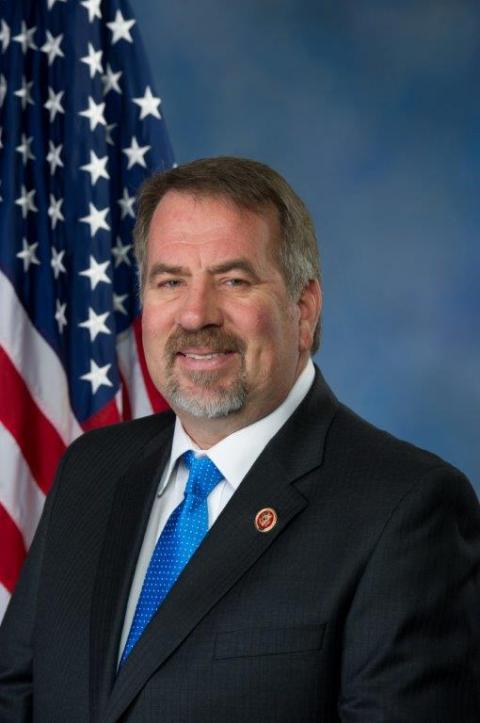
The lawmaker was Doug LaMalfa, who represented California’s 1st Congressional District for more than a decade and served as chair of the Congressional Western Caucus.
LaMalfa’s death at 65 marks the end of a career that began long before his time in Washington. Prior to Congress, he served in state-level office, building a foundation of experience that shaped his legislative approach.
Tributes From Capitol Hill
News of LaMalfa’s passing drew swift reactions from Republican leaders. GOP Majority Whip Tom Emmer described the loss as devastating, highlighting LaMalfa’s roles not only as a lawmaker but as a husband, father, and friend.
Colleagues praised his steadiness in an era of rapid political change. While Washington often rewards those who dominate headlines, LaMalfa earned respect through consistency and subject-matter expertise.
Even lawmakers who disagreed with him ideologically acknowledged his professionalism. “He fought hard for what he believed,” one Democrat said, “but he did it with a level of respect that’s increasingly rare.”
A District Left in Mourning
Back home, the reaction was deeply personal. Constituents who had known LaMalfa for years—some since his earliest days in public office—expressed disbelief at the sudden loss.
Farmers, ranchers, and small business owners credited him with giving rural Northern California a voice in national debates dominated by urban concerns. Many said his office was known for responsiveness and hands-on assistance, particularly on issues involving federal land management and agriculture regulations.
Local officials said flags were lowered and memorial plans were already underway.
Unanswered Questions
As tributes poured in, questions lingered about the circumstances surrounding LaMalfa’s death. Family and party officials said no immediate details would be released, urging privacy during a period of mourning.
The lack of clarity only heightened the sense of shock among colleagues who had worked with him days earlier. “He was active, engaged, and planning ahead,” one lawmaker said. “This was not something anyone expected.”
What Comes Next Politically
LaMalfa’s death creates an immediate vacancy in California’s 1st Congressional District, triggering a process to fill the seat. While the district has leaned Republican, the timing and political climate add uncertainty to what comes next.
Party strategists say replacing LaMalfa will be difficult—not just electorally, but in terms of institutional knowledge. Few lawmakers possessed his depth of experience on rural and Western policy.
A Legacy Beyond Legislation
In assessing LaMalfa’s career, many point not to a single bill or headline moment, but to the totality of his service. He represented a style of politics rooted in local concerns, long-term relationships, and persistence rather than spectacle.
Supporters say that approach may not always dominate national conversations, but it remains essential to the functioning of Congress.
“He believed government should work for people who don’t have lobbyists or loud voices,” one ally said. “That was his mission.”
Remembered as a Public Servant
As Washington absorbs the loss, lawmakers on both sides of the aisle say LaMalfa will be remembered as a public servant who stayed true to his district and his principles.
His death closes a chapter in California and Republican politics, leaving behind a record defined by longevity, quiet influence, and dedication to rural America.
For those who worked with him, the sense of loss is immediate—and lasting.