A hotel affiliated with a major international hospitality brand is facing intense scrutiny after canceling room reservations made by federal law enforcement agents in the Minneapolis area, prompting sharp criticism from the Department of Homeland Security and raising questions about discrimination, corporate oversight, and the role of private businesses in politically charged law enforcement operations.
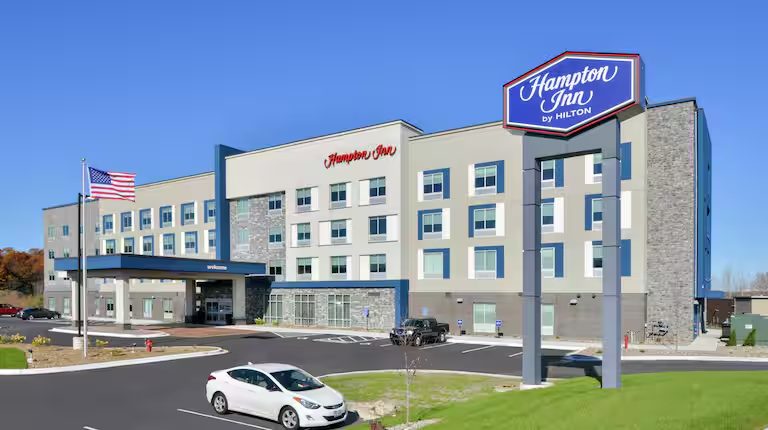
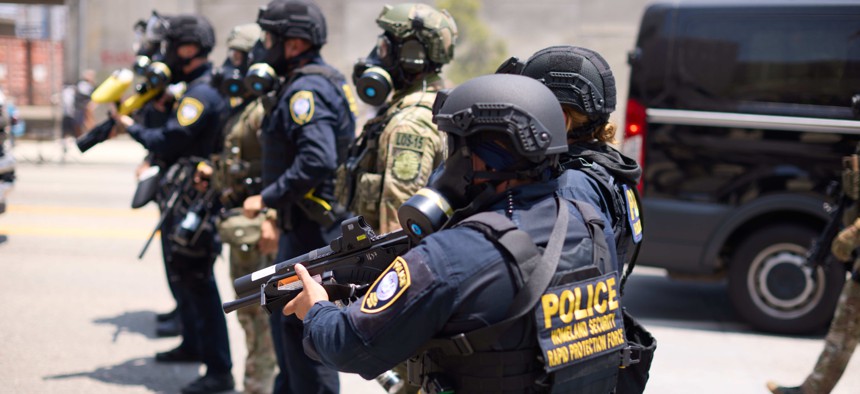
Federal officials said the incident unfolded when agents with the Department of Homeland Security and Immigration and Customs Enforcement attempted to book rooms at a Hampton Inn property south of Minneapolis using official government email addresses and standard federal lodging rates. According to DHS, those reservations were subsequently canceled by hotel staff after the agents’ affiliations became clear.
In a public statement posted to social media, DHS accused Hilton Hotels of participating in what it described as a “coordinated campaign” in the Minneapolis area to deny service to federal law enforcement officers engaged in immigration enforcement.
“When officers attempted to book rooms using official government emails and rates, their reservations were maliciously canceled,” the DHS statement said. “This is unacceptable.”
Email Sparks Controversy
The controversy intensified after DHS shared a redacted email dated Jan. 2, allegedly sent by a front office manager at the Hampton Inn in Lakeville, Minnesota. In the message, the hotel employee wrote that the property would no longer allow DHS or immigration agents to stay at the hotel and instructed recipients to notify coworkers of the policy.
The email stated, in part, that an “influx of GOV reservations” connected to DHS had prompted the cancellations and that immigration agents would not be accommodated at the property.
ICE officials also publicly questioned the decision, tagging Hilton directly on social media and asking why federal law enforcement officers’ reservations had been canceled.
The issue quickly drew attention from senior officials within the Department of Justice. Harmeet Dhillon, who leads the Civil Rights Division, said she was aware of the situation and monitoring developments.
Hilton Responds
Within hours of the backlash, Hilton issued a statement distancing the company from the decision, emphasizing that the hotel in question is independently owned and operated.
“We have been in direct contact with the hotel and they have apologized for the actions of their team, which was not in keeping with their policies,” the company said. “Hilton’s position is clear: Our properties are open to everyone and we do not tolerate any form of discrimination.”
Hilton added that corrective steps had been taken to resolve the issue and reaffirmed its commitment to nondiscriminatory hospitality practices.
The hotel’s management group, operating under the Everpeak Hospitality brand, also released a statement acknowledging the situation and apologizing to affected guests. The company said it had moved quickly to address what it described as an internal failure that did not reflect its policies or brand standards.
Federal Presence in Minnesota
The incident comes amid a significant federal law enforcement presence in Minnesota. DHS officials confirmed last week that hundreds of investigators have been deployed to the state following reports of large-scale alleged fraud involving public assistance programs in the Twin Cities area.
Assistant DHS Secretary Tricia McLaughlin said the investigations are ongoing and involve multiple federal agencies. While officials have not released full details, the deployment has heightened political tensions in the state and intensified scrutiny of cooperation between local institutions and federal authorities.
Political Fallout
The hotel controversy unfolded against a volatile political backdrop in Minnesota. Gov. Tim Walz, a Democrat, announced on Jan. 5 that he will not seek reelection. His decision came amid renewed criticism from Republican lawmakers who argue that state leadership has failed to adequately cooperate with federal authorities on immigration enforcement and fraud investigations.
Some Republican officials seized on the hotel cancellation as evidence of what they describe as a broader pattern of resistance to federal immigration operations in Democratic-led states and cities.
Democratic leaders, however, have largely remained silent on the specific hotel incident, with some allies cautioning against conflating private business decisions with state policy.
Legal and Civil Rights Questions
The cancellation of reservations has raised legal questions about whether refusing service to federal agents based on their professional role could constitute unlawful discrimination. While hotels generally retain discretion over whom they serve, civil rights experts note that blanket refusals targeting specific government agencies may expose businesses to legal risk, particularly if the refusal interferes with federal operations.
Former federal prosecutors say the issue could also draw scrutiny under federal statutes protecting government functions, though any enforcement action would depend on intent, coordination, and whether similar practices were adopted by other properties.
Hilton’s swift response suggests the company is keen to prevent the incident from escalating further.
Broader Implications
The episode underscores the increasingly fraught intersection between immigration enforcement, corporate policy, and local political culture. Hotels and other service providers have historically played a logistical role in supporting federal operations, particularly during large-scale investigations and deployments.
As immigration enforcement continues to dominate national debate, businesses may find themselves caught between activist pressure, employee sentiment, and legal obligations to provide services without discrimination.
For DHS and ICE, the Minneapolis incident is being framed as a warning sign. Officials argue that denying accommodations to agents not only hampers enforcement efforts but also risks politicizing routine law enforcement functions.
Hilton, for its part, appears eager to close the chapter, stressing that the actions of a single property do not reflect company-wide policy. Whether the matter ends there—or prompts further investigation or litigation—remains to be seen.
What is clear is that a single email from a hotel front desk has ignited a national controversy, placing one of the world’s most recognizable hospitality brands at the center of a debate over law enforcement, politics, and the limits of corporate discretion.